
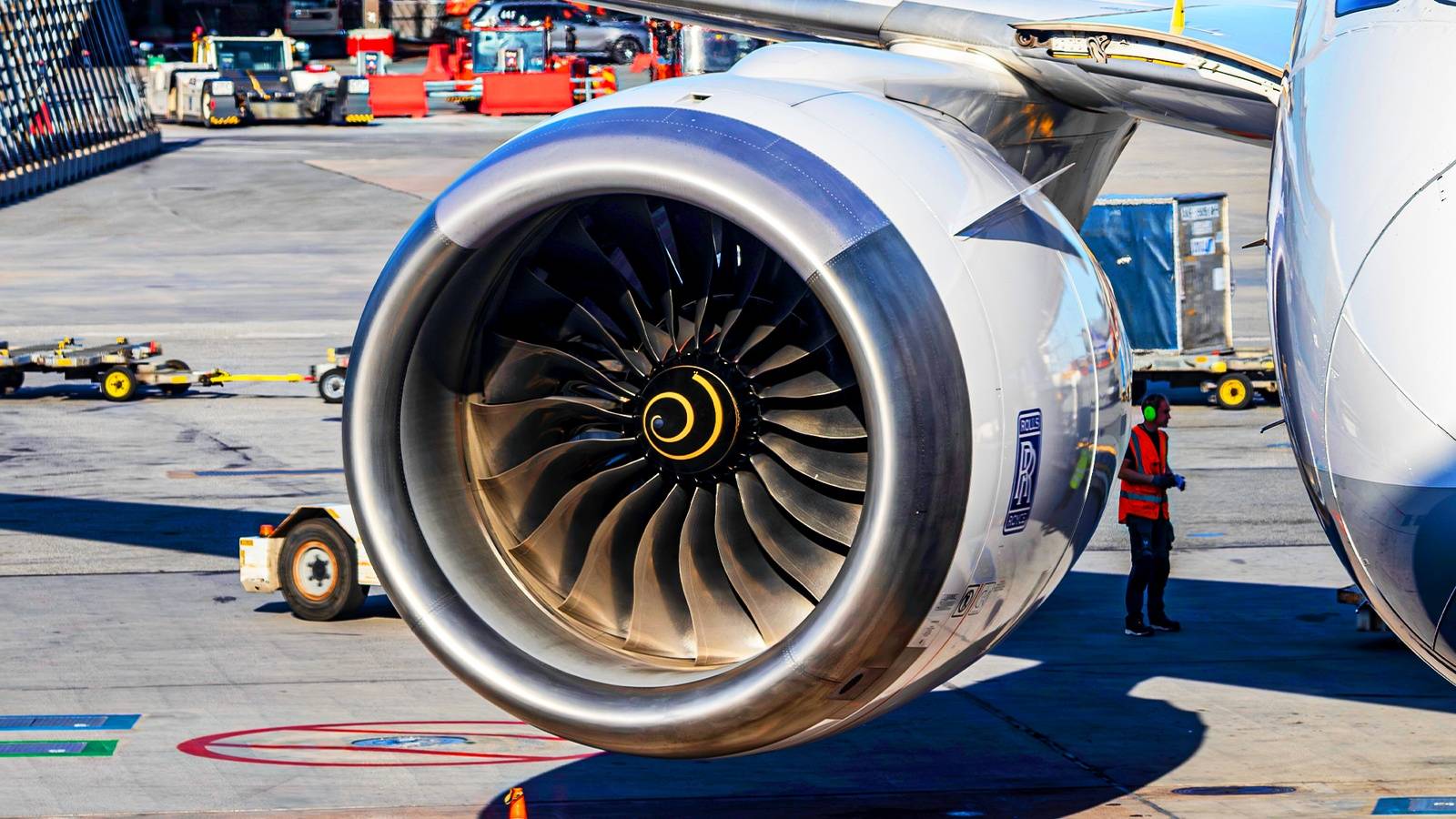
The Boeing 787-9 Dreamliner is one of the most recognizable long-haul aircraft in modern commercial aviation, combining advanced aerodynamics, lightweight composite materials, and highly efficient engines to deliver impressive performance over long distances. However, while much attention is often given to the aircraft's overall purchase price, its engines represent an equally significant investment for airlines and aircraft leasing companies. So, how much does a 787-9 engine actually cost? Historical manufacturer announcements provide a useful indication, with General Electric GEnx-1B engines carrying implied list prices of approximately $25 million to $30 million each. However, the actual amount paid can vary considerably depending on the agreement, maintenance arrangements, and number of engines purchased. Which Engines Power The Boeing 787-9? Credit: Michael Derrer Fuchs | Shutterstock The Boeing 787-9 is available with two engine options, allowing airlines to select the powerplant that best suits their operational requirements and existing fleet arrangements. These are the General Electric GEnx-1B and Rolls-Royce Trent 1000, both developed specifically for the next generation of long-haul commercial aircraft. The GEnx-1B is manufactured by GE Aerospace and represents one of the company's most successful commercial engine programs. Developed from the earlier GE90 and incorporating several technological improvements, it was designed to deliver greater fuel efficiency, reduced emissions, and improved operating economics. Its performance makes it particularly suitable for airlines operating extensive international networks. The alternative is the Rolls-Royce Trent 1000, part of the manufacturer's established Trent engine family. It was developed specifically for the 787 and features advanced materials, aerodynamic improvements, and a three-shaft architecture. The engine has experienced several technical challenges throughout its operational history, although subsequent improvements have addressed many of its earlier reliability concerns. Importantly, the two engines are not interchangeable during ordinary airline operations. An airline generally selects one engine manufacturer when ordering its aircraft, and this decision influences maintenance arrangements, spare-engine requirements, and long-term operating costs. Consequently, discussions of the price of a 787-9 engine need to distinguish among the available powerplants. How Much Does A GEnx-1B Engine Cost? Credit: Bogaletzki Pressefoto | Shutterstock GE Aerospace's historical pricing announcements provide some of the clearest publicly available information on the cost of a 787-9 engine. Based on manufacturer announcements, the GEnx-1B has historically carried an implied list price of about $25 million to $30 million per engine, although individual agreements can produce different figures. One particularly useful example involves aircraft leasing company CIT Aerospace, which selected GEnx-1B engines to power four additional Boeing 787-9s. In its announcement, GE stated that the engine order was valued at more than $200 million at list price. Dividing this amount across eight installed engines suggests a value exceeding $25 million per engine. Another example came from China Eastern Airlines, which selected GEnx-1B engines for 15 Boeing 787-9 aircraft. GE valued the engine order at more than $860 million at list price. With two engines per aircraft, the implied figure was about $28.7 million per engine, assuming the announcement covered 30 installed engines. These examples demonstrate why a figure between $25 million and $30 million is a reasonable historical reference when discussing the GEnx-1B. Nevertheless, they should not be interpreted as confirmed prices for every individual engine, since manufacturer announcements may include additional equipment, contractual provisions, and commercial arrangements that influence the overall valuation. Why Engine Prices Vary Between Airlines Credit: Austin Deppe | Shutterstock Although historical list prices provide a useful starting point, airlines rarely purchase commercial aircraft engines under straightforward retail-style arrangements. Large customers negotiate individual agreements with manufacturers, and the final financial terms are generally confidential. Consequently, the actual price paid for a new GEnx-1B could differ substantially from its publicly stated list-price valuation. Engine order size is another important consideration. Airlines and leasing companies purchasing engines for several aircraft may receive more favorable commercial terms than organizations requiring only a small number of units. Manufacturers also have an incentive to secure major fleet agreements because these relationships can generate maintenance and support revenue over several decades. Another important factor involves the airline's existing relationship with the engine manufacturer. A carrier already operating numerous GE-powered aircraft may benefit from established maintenance facilities, technical expertise, spare-parts arrangements, and existing support agreements. These advantages can influence the overall commercial package offered when additional engines are ordered. The delivery schedule and contractual requirements can also affect the financial arrangements. Some customers require additional spare engines to protect their operations against unexpected maintenance events, while others negotiate specific performance guarantees and support provisions. Therefore, two airlines purchasing the same engine model may ultimately have different overall expenditure, even when their initial aircraft orders appear similar. The latest data from ch-aviation shows that United Airlines is currently the world's largest operator of the 787, followed by All Nippon Airways (ANA). Airline Boeing 787-8 Boeing 787-9 Boeing 787-10 Total United Airlines 12 64 21 97 All Nippon Airways (ANA) 36 44 10 90 American Airlines 37 33 - 70 Qatar Airways 31 20 - 51 Etihad Airways - 37 10 47 The Additional Cost Of Engine Maintenance Credit: Tobias Arhelger | Shutterstock Purchasing a 787-9 engine represents only the beginning of the financial commitment involved in operating one. Commercial turbofan engines require regular inspections, component replacements, and occasional major maintenance visits throughout their service lives. These activities can account for a substantial share of an airline's long-term operating expenditure. Modern engine manufacturers increasingly offer long-term maintenance agreements alongside the initial equipment purchase. These arrangements can cover inspections, repairs, overhauls, and technical support, with payments structured around engine utilization or other contractual conditions. These agreements help airlines manage maintenance costs while giving manufacturers ongoing revenue beyond the initial engine sale. China Eastern Airlines provides a useful example of how these arrangements work. Alongside its order for GEnx-1B engines powering 15 Boeing 787-9 aircraft, the airline signed a 15-year TrueChoice Overhaul agreement with GE Aerospace. This arrangement covered the time and materials required to repair and overhaul the engines, demonstrating the importance of maintenance planning. For airlines, these agreements offer greater predictability when managing expensive engine-related work. Instead of facing every major maintenance event as a separate financial challenge, operators can establish longer-term arrangements with the manufacturer. However, the overall cost still depends on utilization, maintenance requirements, contractual coverage, and the condition of individual engines. Why The GEnx-1B Is Such An Expensive Engine Credit: Ryan Fletcher | Shutterstock The GEnx-1B is an extremely sophisticated piece of engineering, which helps explain its substantial purchase price. Designed to deliver the thrust required by a widebody aircraft such as the Boeing 787-9, it incorporates advanced materials, complex rotating components, and carefully engineered systems that must operate reliably under demanding conditions. One key characteristic is its use of composite fan blades and a composite fan case. These components help reduce engine weight while maintaining the structural strength required for commercial aviation. Weight reduction is particularly important for long-haul aircraft because even small improvements can improve fuel consumption over thousands of flights. Fuel efficiency is another major consideration. GE has previously stated that the General Electric GEnx offers up to 15% better fuel efficiency than its CF6 engine, alongside corresponding reductions in carbon dioxide emissions. Although this comparison is against an older engine generation, it illustrates the technological improvements incorporated into the GEnx program. The engine also incorporates GE's twin-annular pre-swirl combustor technology, designed to reduce nitrogen oxide emissions. According to the manufacturer, this technology significantly reduces regulated emissions compared with applicable limits. These developments require extensive research, testing, manufacturing expertise, and certification work, all of which contribute to the considerable investment required to produce modern commercial aircraft engines. Can Airlines Buy A Boeing 787-9 Engine For Less? Credit: Vytautas Kielaitis | Shutterstock Airlines do not necessarily need to purchase brand-new engines for every aircraft entering their fleets. Depending on their requirements, operators can explore previously operated engines, leased spare engines, or existing inventory within the aircraft leasing and maintenance markets. These alternatives can offer different financial arrangements than buying a new engine directly from the manufacturer. Used engines can sometimes offer a lower initial acquisition cost, particularly when they have remaining operating life before their next major maintenance visit. However, their condition, maintenance history, remaining life of key components, and documentation are essential considerations. A cheaper engine may ultimately cost more if substantial maintenance is required shortly after acquisition. Engine leasing is another option used throughout the commercial aviation industry. Rather than purchasing an additional engine outright, an airline can lease one to support its fleet during maintenance periods or unexpected operational disruptions. This approach can reduce the immediate capital commitment while providing access to a critical spare asset when needed. Ultimately, the price of a 787-9 engine depends on its manufacturer, condition, contractual arrangements, and maintenance requirements. For a new GEnx-1B, historical manufacturer announcements suggest an approximate list-price value of $25 million to $30 million per engine. However, the actual amount an airline pays depends on confidential commercial negotiations and the broader support package.
How Much Does A Boeing 787-9 Engine Cost?
Full Article
Original Source
Read the full article at Simpleflying →KhanList aggregates and links to publicly available news content. We do not host full articles from third-party sources. Always verify important information with original sources.