
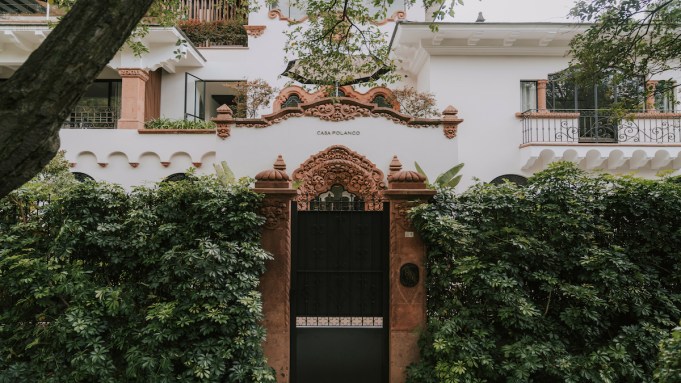
When chef Enrique Olvera opened his now-renowned restaurant Pujol in Mexico City in 2000, there was nothing else like it in the city. A white-tablecloth establishment elevating sauces such as mole with fine-dining rigor was unheard of at the time. Pujol went on to collect numerous awards, earning a spot in the top ten of the World’s 50 Best Restaurants list and two Michelin stars when the guide launched in the capital city in 2024. It also doubled in size, moving a few streets away from a small space in Polanco to a contemporary glass-fronted dining room looking onto a plant-filled patio. More than two decades on, Pujol’s impact is unmistakable. The restaurant didn’t just change how outsiders viewed Mexican food; it helped usher the city into a new era. Mexico City is now one of the most-visited cities in Latin America. Around 15.5 million tourists stayed in Mexico City hotels in 2025, up almost 5 percent from 2024. “Mexico City has become such a hot spot, art and culture wise,” says Eduardo Plaschinski, who co-owns Niddo, an all-day-dining brand with his mother, Karen Plaschinski. Together, they’ve grown the business from 15 to 100 employees across six locations in eight years. Two decades ago, this type of expansion would have been unthinkable. “People were always scared of coming [to Mexico City]. It used to have a bad reputation,” he says. Though this influx has led to frustrations—gentrifying neighborhoods and rising prices—the arrival of more visitors and residents has also brought more opportunity. Simply put: “The city deserves it,” says Eduardo. Pujol’s famed Mole Madre, Mole Nuevo dish. T. Tsent/Flickr Naturally, luxury has followed the crowds. When requests started pouring in, Mexico City–based Mónica Quintero and her three partners launched Odysya, a luxury concierge service that creates custom itineraries. “We saw an opportunity because people were asking us to help organize experiences for them,” she says. Her clients are ultra-high-net-worth travelers seeking access to the city’s art and gastronomy. “There are now restaurants in Mexico City that are the same quality as any city in the world,” says Quintero, who notes that the Michelin Guide’s arrival in 2024 cemented Mexico City’s reputation as a serious destination for fine dining. The city has long had a rich history of art and architecture—the Museo Nacional de Antropología is astonishing—and there’s plenty of appetite for contemporary artwork as well, with new permanent galleries Masa (b. 2023) and LagoAlgo (2022) leading the way. “Lately a lot of travelers want gallery tours. They want to know the new contemporary art galleries in Mexico because they are starting to collect,” she says, adding that major art fairs such as Zona Maco, held each February, continue to draw Americans and Europeans. Odysya organizes experiences across the country, but more and more of her clients want to book specifically in the capital, especially as its five-star hotel scene has improved. “They used to go to Los Cabos, but now these UHNW individuals are looking for local experiences in Mexico City,” she says. “When they go to Punta Mita or Los Cabos, it’s like going to the U.S. Now they are willing to look for something unique.” Only guests have access to the all-day dining and indoor topiary of La Veranda at Casa Polanco. Jake Naughton Properties such as the Four Seasons have long had a firm footing—add to that a new wave of boutique hotels offering a stronger sense of local identity. In 2022, Casa Polanco opened in a restored 1940s mansion with a stunning marble staircase, set across from Lincoln Park in the tony Polanco neighborhood. New to the scene is El Cortés, a Relais & Châteaux property from Monterrey-born hotelier Carlos Zaragoza, who spent his childhood circling the globe and staying at hotels with his family. The 15-room charmer in the tree-lined Roma neighborhood is strewn with artworks and tapestries from Zaragoza’s own collection, as well as traditional Talavera ceramics in the guest rooms. Downstairs is Lotti, a snug restaurant serving European plates that riff on Mexican ingredients, from Swiss-born chef Luc Liebster, who worked at a three-Michelin-star restaurant in Vienna before moving to Mexico to cook at Pujol. Now, the city’s shopping scene is also finally getting the same buzz. Catalina Marín, a Mexico City-based analyst at trend forecasting company WGSN, says the luxury market is projected to grow 5 percent over the next five years. International brands such as Carolina Herrera, Tiffany & Co., and Cartier have staged major brand activations here. In 2023, Cartier held an exhibition at the Museo Jumex, Cartier Design: A Living Legacy, which ran for three months. “We are seeing a lot of these synergies between local events and these designers, to connect in a different way with the history of Mexican traditions,” says Marín, adding that demand for high-end goods among Mexicans themselves is rising, too. “There are brands entering the market that need to offer a cultural view to connect with the local market,” she says. “For an international visitor, they are super surprised when they see a window from an international brand where they have this local artist or connection.” Your new escape: a light-filled panorama suite at El Cortés hotel. El Cortés Homegrown brands aren’t being left behind. With so many foreigners jetting in to get a table at Pujol or Gabriela Camara’s famed seafood restaurant Contramar, it makes sense they’d spend their money in other parts of the city. Montserrat Messeguer, known for its western wear and artisanal cowboy boots handcrafted in El Bajío, now counts stars such as Dua Lipa among its clients. Other new luxury openings include Lengua, a high-end jewelry store selling silver earrings and gold necklaces by Latin American designers, as well as the first store from Patricio Campillo, an LVMH Prize finalist, located in the Juárez neighborhood. For high-end travelers, this diversity of experiences means a reservation at a restaurant is no longer the only reason to come to Mexico City. “There are so many things opening: fashion, design boutiques, and galleries,” says Quintero. “Every day I discover something new.”
How Mexico City Became the Latest Luxury Hot Spot
Full Article
Original Source
Read the full article at Robbreport →KhanList aggregates and links to publicly available news content. We do not host full articles from third-party sources. Always verify important information with original sources.