
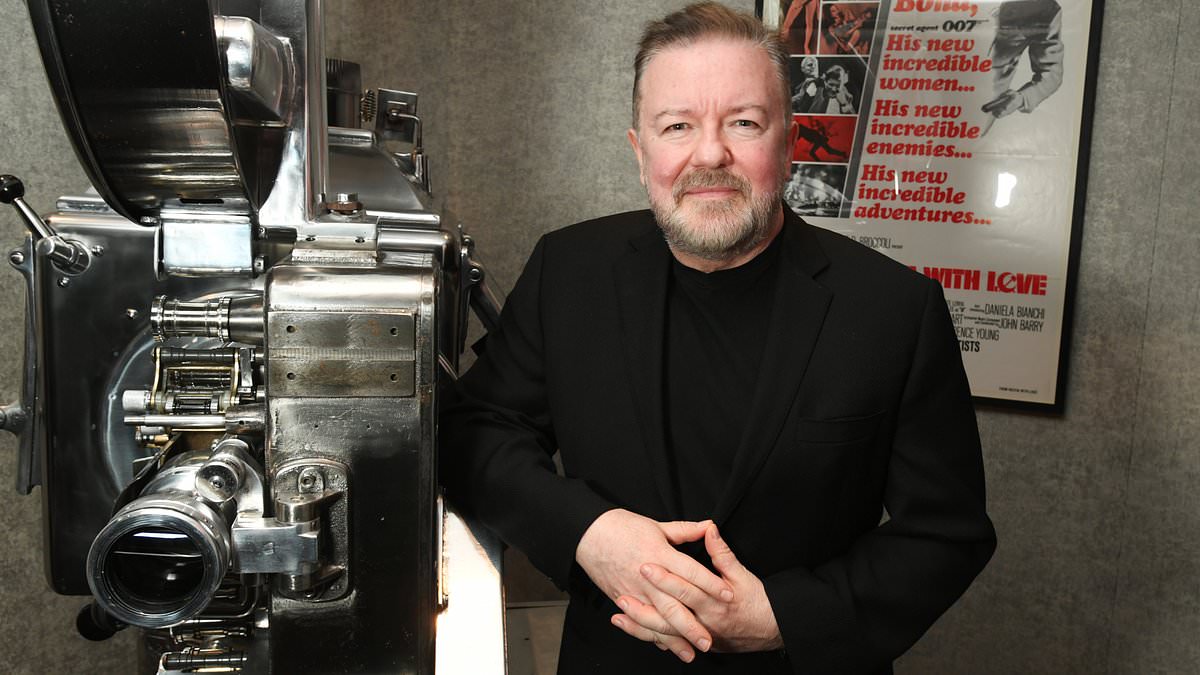
Married couples can leave £1million free of inheritance tax if they pass on a family home to children or other direct descendants.That is because there is a valuable 'spousal exemption' which allows married people to leave their estate to each other free of any death duties, and any unused inheritance tax allowance too.Couples are going to find this rule more important and beneficial than ever from next April, when unspent pensions become liable for inheritance tax like other assets such as homes, savings and investments.Unmarried partners may well rethink whether to wed to avoid getting landed with a large bill.Meanwhile, already married couples might consider the upsides of leaving all or somewhat more of their estates to the surviving partner, rather than their children.We explore the advantages of having a spouse and children when it comes to inheritance tax – as well as a useful extra perk if you make generous wedding gifts to other couples. Love, death and taxes: Should you get married to cut your inheritance tax bill?Will your loved ones have to pay inheritance taxFirst off, consider if you really are rich enough to pay inheritance tax, especially after you have spent down your pensions and other assets during retirement.Inheritance tax is levied at 40 per cent on estates above a certain size, but you will need to be worth at least £325,000 if you are single, or £650,000 jointly if you are married, before becoming liable for death duties.If you are passing on your family home to direct descendants – children, grandchildren, and so on – those thresholds rise to £500,000 and £1million.Childless people miss out on that second £175,000 per person allowance, known as the residence nil rate band.Check our guide to inheritance tax including the key thresholds.Should you get married to cut your IHT billIf your own or your combined assets are likely to surpass the thresholds explained above when you die, it is worth considering getting married or becoming civil partners to avoid handing large sums to the taxman unnecessarily.Comedian Ricky Gervais made headlines recently when he said he and his longtime partner intend to do just that.But it is not just an inheritance tax bill at stake. Unmarried partners can be left with nothing after the first one dies, although you can both make provisions in your wills to avoid this situation (see more on this below).'A person can be in a loving, committed relationship for many years and still have no automatic right to inherit from their partner’s estate if they die without a will,' says Cathryn Culverhouse, partner at law firm DMH Stallard.'The intestacy rules do not reflect how many people choose to live today. The position can be particularly difficult for families with young children.'Where an unmarried parent dies without a will, their children may inherit the estate under the intestacy rules, but those assets will typically be held in trust until the children reach adulthood.'The Government-backed MoneyHelper website has a useful layman's guide on what happens if there is no will, and who inherits under intestacy rules.Regarding inheritance tax, Evelyn Partners' head of estate planning Ian Dyall, says the spousal exemption will become even more valuable when pensions start being included in calculations after next April.'It is pretty much the only way to ensure a bequeathed pension will not be subject to IHT, on the first death at least.'Elderly, long-term co-habiting partners with significant pensions might consider getting married for a big tax saving on the first death.'Harriet Betteridge, partner at Charles Russell Speechlys, says: 'For unmarried couples, the inheritance tax rules can come as a nasty surprise.'It’s already prompting some couples to rethink their plans; some unmarried friends of mine are marrying because of this change.'Louise Scholes, partner at Brabners Personal, says: A lot of long-term cohabiting couples are realising that they can face significant inheritance tax liabilities that married couples would avoid through careful planning, the spouse exemption and transferable tax allowances at least on first death.'Married couples and civil partners can generally transfer assets to each other free from inheritance tax. They can also pass on any unused inheritance tax allowances to a surviving spouse or civil partner, increasing the amount that can ultimately be passed on tax-free.'Scholes warns that many unmarried couples have a misconception that if they have lived together for a certain number of years, they acquire the same legal rights as a married couple – but ‘common law marriage’ is a myth.Changing your will and pension nominationsIf you are married and planned to leave some or all of your estate or your unspent pensions to your children, you could consider switching to your spouse instead to delay and minimise the eventual inheritance bill.If your spouse survives you, they will have more time to spend and gift what is left, including your pensions and any death benefits.'Death in service' benefits are excluded from the inheritance tax changes.Ian Dyall of Evelyn Partners says: 'Pension savers should check their beneficiary nominations, as many will have put down their children under the current regime, a choice that might need rethinking.' Inheritance tax rules: From left, lawyers Cathryn Culverhouse of DMH Stallard, Harriet Betteridge of Charles Russell Speechlys, and Louise Scholes of Brabners PersonalWhat if you don't want to marry'Marriage or civil partnership won’t be right for everyone, particularly as it comes with wider legal consequences, including greater rights on separation,' says Harriet Betteridge of Charles Russell Speechlys.She suggests the following other options to save on inheritance tax.- Lifetime gifts between partners can fall outside IHT if the donor survives seven years.- Life insurance written into trust sits outside the estate and can provide a pot of cash for the survivor.- Unmarried couples should have wills in place because without one a partner has no automatic inheritance rights.Cathryn Culverhouse of DMH Stallard says if there is no provision in a will, the surviving partner's only option may be to pursue a claim against the estate under the Inheritance (Provision for Family and Dependants) Act 1975.But she warns such claims are far from guaranteed and can be costly, time-consuming and emotionally draining, and involve often detailed scrutiny of your personal finances after a bereavement.Wedding gifts and inheritance taxMost people know you can gift £3,000 a year, plus make unlimited small gifts of £250, free from inheritance tax.Married people and those in civil partnerships can also give each other any sum they like, but gifts made to anyone else fall under the seven-year rule.This means inheritance tax is levied on a sliding scale, starting at the full whack of 40 per cent if it's within the first three years.What is less well known is that if you are inclined to be generous with wedding or civil partnership gifts, these are also exempt from inheritance tax subject to certain limits and how close you are to the bride and groom.The limits are up to £5,000 to a child, £2,500 to a grandchild or great-grandchild, and £1,000 to anyone else.
How marriage, children and wedding gifts can cut your inheritance tax bill
Full Article
Original Source
Read the full article at Dailymail →KhanList aggregates and links to publicly available news content. We do not host full articles from third-party sources. Always verify important information with original sources.