
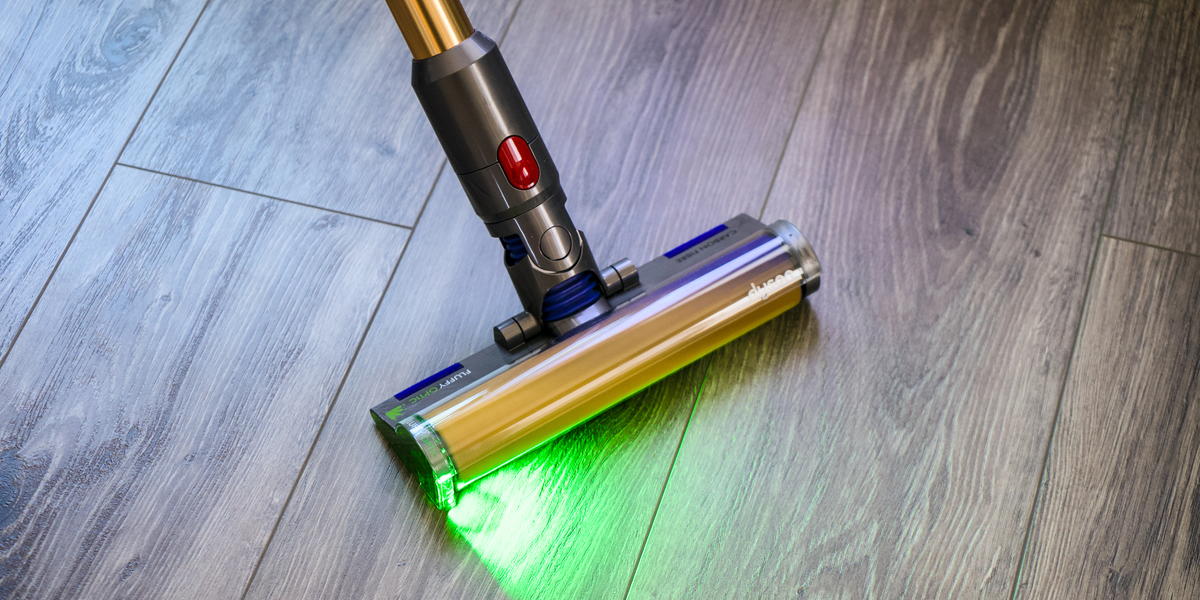
2 min readWhen shopping for a cordless stick vacuum, air watts (AW) are a common specification to look out for. Air watts measure the cleaning power of a vacuum by combining suction pressure (how hard the vacuum pulls) and airflow (how much air it moves).A quality vacuum needs to have both. Strong suction without enough airflow won’t efficiently move sucked-up debris through the vacuum and into the dustbin, while high airflow without enough suction won’t be as effective at lifting dirt and detritus from the floor.Air watts give you a numerical representation of how well these two factors work together. The measurement is based on both airflow and suction pressure, rather than watts, which measure how much electricity the vacuum’s motor consumes, so it may be more useful when comparing cleaning power.Best Cordless Stick Vacuums We RecommendBest with Docking StationSo how many air watts do you really need? There isn’t a universal cutoff because air watts aren’t consistently listed across cordless stick vacuum brands, so it’s hard to really establish an “average.” That said, a cordless stick vacuum with 80 to 120 AW like the Eureka ReactiSense is generally suitable for daily cleaning on hard floors and low-pile rugs. Models in the 120- to 180 AW range, such as the Dyson V11 Origin, provide a noticeable step up for more demanding cleaning, such as larger debris and carpeting, while a vacuum like the Dyson V15 Detect that hits 200 AW and beyond tends to be more capable cordless stick vacuum options.Trevor RaabA cordless stick vacuum with 120 AW is a good starting point for everyday, light-duty cleaning.Just remember that air watts are often listed by the manufacturer at the maximum level (Boost mode). You may only be able to clean for five to 10 minutes at this high power level before the battery starts to drain rapidly. But most everyday cleaning actually happens in Eco or Auto modes, and these power levels aren’t as tough on the motor or battery. A vacuum listed at 250 AW may actually spend much of its cleaning life in the 80 to 150 AW zone.For most homes, I’d consider around 120 AW a good starting point for everyday, light-duty cleaning with a cordless stick vacuum. Higher power becomes more essential if you have carpets, pets, lots of tracked-in dirt, or just want a vacuum that’s capable of a deeper clean. The Dyson V16 Piston Animal that I tested is rated at 315 AW, making it one of the most powerful cordless stick vacuums available today.Air watts aren’t the only factor playing a role in performance, either. A well-designed cleaner head, brush roll, filtration system, weight, and automatic suction adjustment can all have a big impact, too. A higher AW rating generally means more potential cleaning power, but higher isn’t automatically better. When listed, I recommend weighing this spec against the other vacuum features to get a clearer idea of cleaning performance.Other Vacuums We LoveAmber is a Reviews Editor with bylines on Popular Mechanics, Runner’s World, Bicycling, and Best Products sites. Specializing in kitchen gadgets, small appliances, lifestyle, and consumer tech, she brings hands-on testing and a detail-oriented approach to every review. In her free time you can likely find her trading trinkets at an EDM festival, searching for hidden gems at thrift stores, or cuddling with her two cats.
How Many Air Watts Do You Need in a Cordless Stick Vacuum?
Full Article
Original Source
Read the full article at Popularmechanics →KhanList aggregates and links to publicly available news content. We do not host full articles from third-party sources. Always verify important information with original sources.