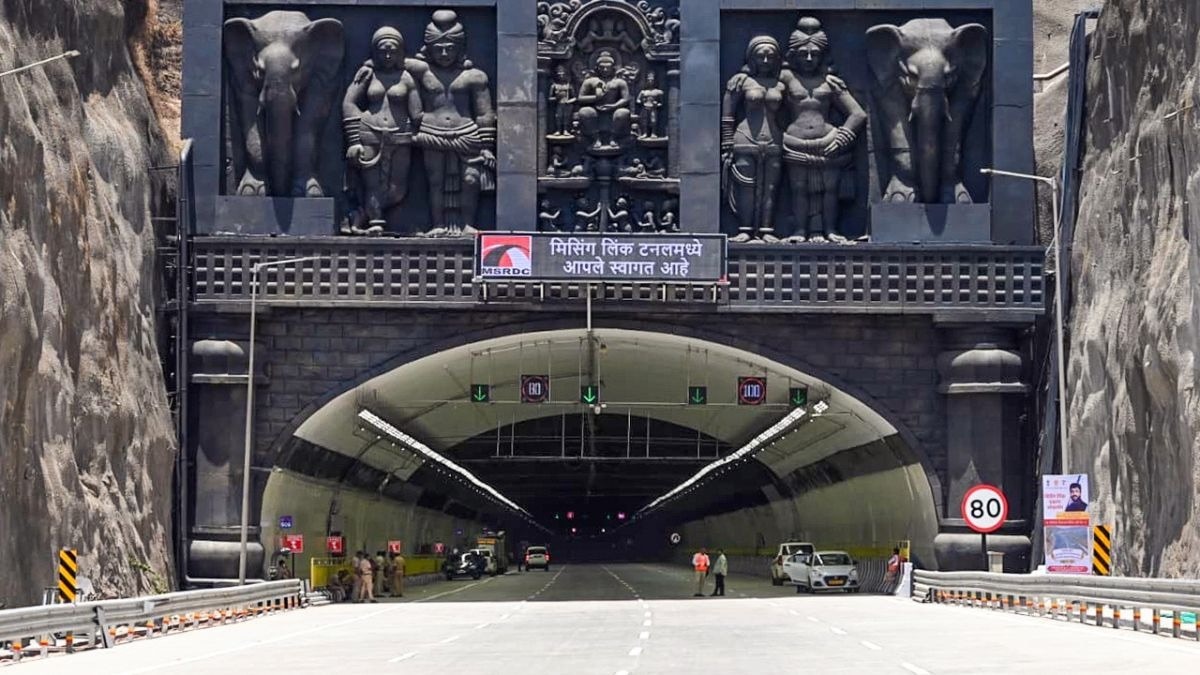
Vehicular traffic on the Mumbai to Pune stretch has been showing an annual growth rate of 8-9 per centTo cater to the rising traffic load between Mumbai and Pune, the Maharashtra government is planning to expand the old Mumbai-Pune highway to six lanes from the existing four. The project will include flyovers and interchanges, along with the already-commissioned ‘connecting link’ project and the proposed 10-laning of the Mumbai- Pune expressway.Together, it will increase the carriageway capacity to Mumbai from 10 lanes at present to 16 lanes, and meet the projected rise in traffic from growth centres on and around the route. A senior official from the Maharashtra State Road Development Corporation (MSRDC) said they had sent a proposal to the Union government to widen the national highway from four to six lanes. The project will cost Rs 7,000 crore and is expected to be completed in three years. “The land acquisition involved will be minimal as we have most of the land in our possession,” the official said.The project will include bypasses for Khandala, Lonavala and Khopoli, an eight-lane road from Kalamboli to Shilphata, interchanges, and 13 flyovers at locations like Talegaon, Khopoli and Khalapur. The Mumbai-Pune highway was opened by the British in the 19th century. Earlier, travel between Pune, the seat of power of the Peshwas, who were the de facto chiefs of the Maratha confederacy, and Mumbai, or Bombay as it was known, took days since it involved traversing mountains and crossing rivers. This national highway (NH-48) now connects Mumbai to Pune and further to Bengaluru and Chennai.The MSRDC has also floated a project to expand and widen the Mumbai-Pune expressway from six lanes (three each way) to 10 lanes (five each way). The Rs 14,000 crore project is expected to take four years to be completed, with work beginning next year. The two projects are expected to be completed by 2030.The 95-km-long Mumbai-Pune expressway, which was opened to traffic in 1999, has redefined road travel on this stretch. But it suffers from falling service levels due to rising traffic load and lack of timely capacity expansion. Over-speeding, lane indiscipline, poor enforcement of rules and overloading of commercial vehicles also lead to mishaps.On May 1, the Maharashtra government commissioned an ambitious ‘missing link’ to augment the capacity of the Mumbai-Pune expressway. Now known as the ‘connecting link’, this Rs 6,790 crore project includes tunnels and bridges from Khopoli to Kusgaon near Lonavala.The alignment has reduced the distance between Mumbai and Pune by 13.3 km and a minimum of 30 minutes. Chief minister Devendra Fadnavis has said the project will not only reduce travel time and eliminate jams but also create a positive economic impact to the tune of Rs 70,000 crore.The link includes two parallel tunnels with four lanes each. One of the tunnels (8.7 km long) is 23.33 metres broad, the widest in the world as recognised by the Guinness World Records; and the second tunnel is 1.67 km long, with parts of it running underground and beneath the Lonavala Lake.The project also features India’s tallest cable-stayed highway bridge at 182 metres. Designed over three years using wind-tunnel modelling, the bridge is 950 metres long and engineered to withstand wind speeds of up to 250 km per hour.More crucially, the ‘connecting link’ project helps commuters bypass a common stretch of the expressway and the old Mumbai-Bengaluru highway (NH-48) in the Ghat section. Here, the 10 lanes of the two roads (six lanes of expressway and four lanes of NH-4) narrow down to just six lanes. The steep gradients and landslides during monsoons lead to vehicles breaking down, which makes this a chronic chokepoint. MSDRC officials said the new alignment was also expected to save fuel worth Rs 1 crore per day.Vehicular traffic on the Mumbai to Pune stretch is showing an annual growth rate of 8-9 per cent. The commissioning of the Navi Mumbai International Airport and proposed linear projects, such as the Pune Ring Road, Pune-Nashik Expressway and Pune-Sambhajinagar (Aurangabad) Expressway, are expected to drive up the numbers further, said an MSRDC official. “The idea is to ensure seamless connectivity for the next 50 years,” the official stressed, adding that linear projects like the Sewri-Nhava Sheva Atal Setu and the connecting link, and the proposed Pune ring road, and the Virar-Alibag multi-modal corridor were also steps in that direction.However, to finance the costs of these projects, the concession period for toll collection will be extended by another decade beyond the present 2035.The expressway was constructed during the erstwhile Shiv Sena-BJP regime at a cost of Rs 2,136 crore and is regarded as a signature piece of linear infrastructure. At present, it caters to around 75,000 vehicles a day, of which a significant number comprises goods and transport vehicles. This soars to around 110,000 to 120,000 vehicles on weekends and holidays, leading to traffic jams and congestion.Subscribe to India Today Magazine- EndsPublished By: Akshita JollyPublished On: Jul 23, 2026 20:15 IST
How Maharashtra aims to make Mumbai-Pune road travel seamless for next 50 years
Full Article
Original Source
Read the full article at Indiatoday →KhanList aggregates and links to publicly available news content. We do not host full articles from third-party sources. Always verify important information with original sources.