
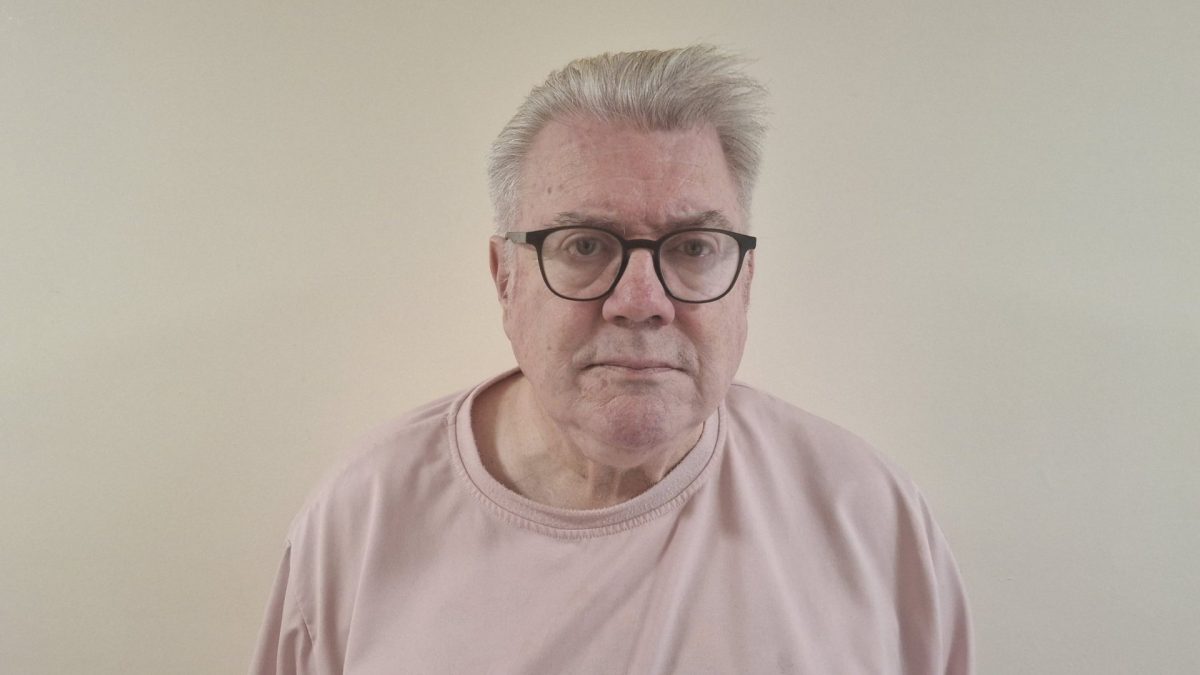
In our How I Manage My Money series we aim to find out how people in the UK are spending, saving and investing money to meet their costs and achieve their goals. This week we speak to Paul Mulholland, 69, who lives in Belfast with his cat, Maggie. Paul has no savings and is worried about further rent hikes in his one-bed sheltered accommodation flat. Monthly budget My monthly income: My personal independence payment (PIP) is £843 a month. My state pension is £1,046 per month. I have a small private pension giving me an income of £47 a month. I also receive £234 for housing benefit each month. My monthly outgoings: Rent for housing association flat, £635; groceries, £400; council tax and water, £1 as I live in sheltered accommodation; TV licence, reduced rate of £1; electricity, £40; gas, £50; life insurance, £14; buildings and contents insurance, £10; health insurance, £11; broadband, £35; mobile handset and contract, £60; subscriptions like Netflix, £35; cleaner, £40; taxis, £40; cat food, £10; hobbies, £30; gifts, £40, clothes and shoes, £70; debt management plan payment, £93. I grew up in Belfast and after a harrowing time at school where corporal punishment was rife, I started work straight away. I got a job at a fruit and vegetable company on a low wage. I was nearly killed when a car beside me exploded. I’d walked away from the car seconds before it blew up. Later on, I moved into the wholesale and retail footwear industry, working my way up to management level. I then moved into catering, where I worked as a baker and chef. Finally, I moved into the civil service and worked as an administrator in the police, earning £15,000 a year. I quit my job in the civil service because my mother became ill and I was unable to work and look after her properly at the same time. I retired in September 2012. I was also volunteering for different charities as a manager at this point. Shorts My mother passed away in 2018 and my world fell apart. I’d been living with her and my brother and hadn’t had to worry about looking after the house or paying the bills. Once she died everything changed for me all at once. My brother and I tried to live together but it didn’t work out so we went our separate ways and sold the family home. There wasn’t much money left at the end of it as there were outstanding bills to pay. I tried moving to Spain for a fresh start, but that didn’t end up happening. I was hospitalised with pneumonia in 2019. I spent two weeks in intensive care and my lungs were severely damaged. In early 2020, I contracted Covid-19, which, combined with pneumonia, led to long Covid. I live on my own with my cat Maggie in a one-bed, housing association sheltered accommodation flat with a shared garden. When I first moved into my flat seven years ago my rent was £460 a month. It increased to just over £550 in April 2025 and seems to be going up every April now. My rent is now £635 a month, which is a significant increase over a relatively short period of time. Rent takes up the vast majority of my income. I like my flat but the block has changed. People with more serious health needs are being placed here, and it’s slowly starting to feel less like independent living and more like a nursing home, which wasn’t what it was intended to be. I’m in the process of paying off £2,000 worth of debt I amassed by using buy now, pay later and PayPal while shopping. I started using these forms of payment for groceries as the cost of food has gone up so much it’s become unaffordable. My food shop used to cost £40 a week not that long ago and now costs £100 a week. As a pensioner living hand to mouth, I was using whatever form of payment option was available to me to get me through the week. I was buying essentials rather than luxuries but my debts got out of hand. I got help from Money Wellness to help pay off my debts and have been set up with a £93-a-month debt management repayment plan. I won’t be using buy now, pay later again. Money Wellness has also helped me budget properly. I’m now careful to shop around for the best deals and cook more. As a former baker and chef, I can turn my hand to most dishes. Before I contacted the charity I was on the verge of giving up. My debts, isolation, financial pressure and long Covid all became too much and, for a time, I could not see a way out. But I’ve always had a strong personality and been spiritual, which has helped me get through challenges in my life. I have no savings or investments and receive PIP, the state pension, housing benefit and a small private pension. I could not survive on the state pension alone – it needs to be increased and the Government needs to look seriously at making things more manageable for older people. When you reach a certain age you are put on the backburner. People forget about the elderly. An income of £19,000 to £20,000 a year would enable me to stop constantly worrying about money. For confidential support, call Samaritans on 116 123, or visit samaritans.org Want to take part in How I Manage My Money? Email money@theipaper.com
How I Manage My Money: Pensioner, on £2,170 a month, paying off £2,000 debt
Full Article
Original Source
Read the full article at Inews →KhanList aggregates and links to publicly available news content. We do not host full articles from third-party sources. Always verify important information with original sources.