
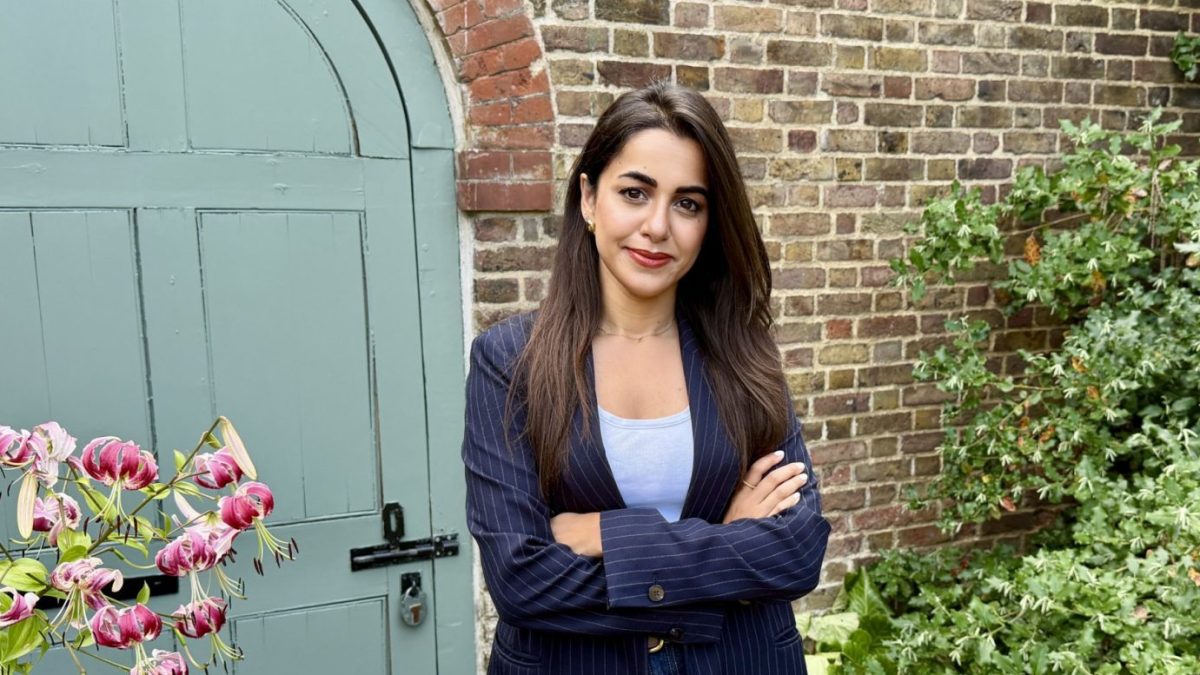
In our How I Manage My Money series we aim to find out how people in the UK are spending, saving and investing money to meet their costs and achieve their goals. This week we speak to Jia Blackburn, 39, who lives in east London with her husband Tom, 35, and their three children aged between five and nine. Jia, who works as a data manager in the public sector, has two rental properties but sees most of the rent money she makes swallowed up by mortgages and taxes. She wished she had started investing in stocks and shares earlier than the age of 35 and wants to retire in her mid-fifties. My monthly income: I work as a data manager in the UK public sector. I take home £3,600 a month from my job. My husband works in a strategy role in the public sector. We have £3,000 a month coming in from two rental properties before deductions. After deductions, including the mortgages and tax, we are left with about £200 a month from the properties. I do social media work and some months make zero, but this month I made £550 from it. I also do a lot of paid market surveys and research, which I can make about £200 a month from. We are higher-rate taxpayers and do not receive child benefit. My monthly outgoings: Mortgage, £3,580; council tax, £276; groceries, £550; gas and electric, £150; water, £45; TV licence, £15; mobiles, £15; public transport and car fuel, £450; broadband, £25; socialising and fun, £500; gym, £150; clubs and activities for the children, £250; subscriptions like Apple, £25; donation to charity, £100. I add £400 a month to my cash savings and £480 a month to my investments. I contribute £385 to my work pension a month and £80 to a private pension per month. We also add £150 to junior ISAs for the children each month. We pay mortgages and taxes on our rental properties too. My parents split up when I was seven and I grew up with my mum and siblings. Mum was a single parent and had to rely on benefits, while we received free school dinners. We were always penny-pinching and had to be very careful with money. My mum taught us to save whenever possible. I studied law at university but dropped out in the final year as it just wasn’t for me. I felt like I was studying law because other people wanted me to do it and I needed a degree as a status symbol. I now work as a data manager in the UK public sector, taking home £3,600 a month. I purchased my first home when I was 26. It was a two-bedroom flat in London that I bought for £208,000 in 2014. I ended up never living in the property as I met my now-husband. The flat has been rented out ever since I purchased it. Shorts After meeting my husband, we purchased a three-bedroom house in London in 2015 for £461,000. We struggled to sell the property so started renting it out. We’ve become accidental landlords. We have £3,000 coming in from our two rental properties each month. But after taxes and mortgages, we are left with about £200 a month from the rental properties. I’m a higher-rate taxpayer which means I pay 40 per cent tax on all my rental income. I would consider expanding our small rental portfolio in the future, but would do it very differently. I would invest in a property via a limited company and approach it more like a tax-efficient business. I would only invest in a property outside of London. The rental sector is becoming more regulated and has stronger protections for tenants. I think landlords should be held to higher standards, but the combination of higher taxes, increased regulation and rising costs is challenging for small-scale landlords like me. Tenants need to be protected but landlords like me also need to be able to continue providing good quality homes to people who need them. It shouldn’t become too difficult for small-scale landlords to keep operating. We purchased the five-bedroom, semi-detached house in London we live in for £940,000 earlier this year, forking out £86,000 in stamp duty as it counted as an additional property. We’re on a two-year, fixed-rate mortgage deal with an interest rate of 3.9 per cent. Our mortgage is £3,580 a month. It’s actually quite a bog-standard house and is near my elderly parents as I need to help look after them. I do feel I’m being priced out of where my family lives. I only started investing at the age of 35. Before this, I didn’t appreciate the effect of compounding and thought you had to be wealthy to invest. One of my friends showed me how much she made via investing and I knew I had to get involved. I set up an investing account with Hargreaves Lansdown via a direct debit and was surprised by how quickly my investment grew. Earlier this year, I started my Instagram and TikTok (@jiablackburn) channels, where I talk about investing and budgeting tips. I’m aiming to help women, particularly single parents, with their personal finances. I now add £480 to investments and £400 to cash savings each month. We have £20,000 each in cash ISAs and £60,000 in high-yield savings accounts. I have £17,000 in my stocks and shares ISA in total. We also add money to junior ISAs for the children and talk to them a lot about investing and the benefit of doing it. I have a public sector pension which I contribute £385 a month to. I also add £80 a month to a private pension with Vanguard. Saving money in pensions is a priority for me as I view them as a safety net, particularly when the cost of living is so high. I will need income from pensions as well as all my other investments in the future. I’m aiming to be able to semi-retire when I am in my mid-fifties and know I could not survive on the state pension alone. I’m motivated by money to the extent it can give me freedom, security and choice. Growing up, I saw the impact financial stress can have on a household and I don’t want my children to feel that stress. Being financially secure has always been important to me and I want to be able to help my family financially and retire comfortably. I’d like to earn a six-figure sum annually from all my income streams and boost my investment portfolio in the future. I don’t want to have to rely on my job salary when I’m older. I want to provide generational wealth to my family and don’t want my children to have to rely on any state benefits. But I want to do this while helping my children appreciate the value of money and how to invest for the long-term. Want to take part in How I Manage My Money? Email money@theipaper.com
How I Manage My Money: Landlord taking £3,000 a month – but only £200 profit
Full Article
Original Source
Read the full article at Inews →KhanList aggregates and links to publicly available news content. We do not host full articles from third-party sources. Always verify important information with original sources.