
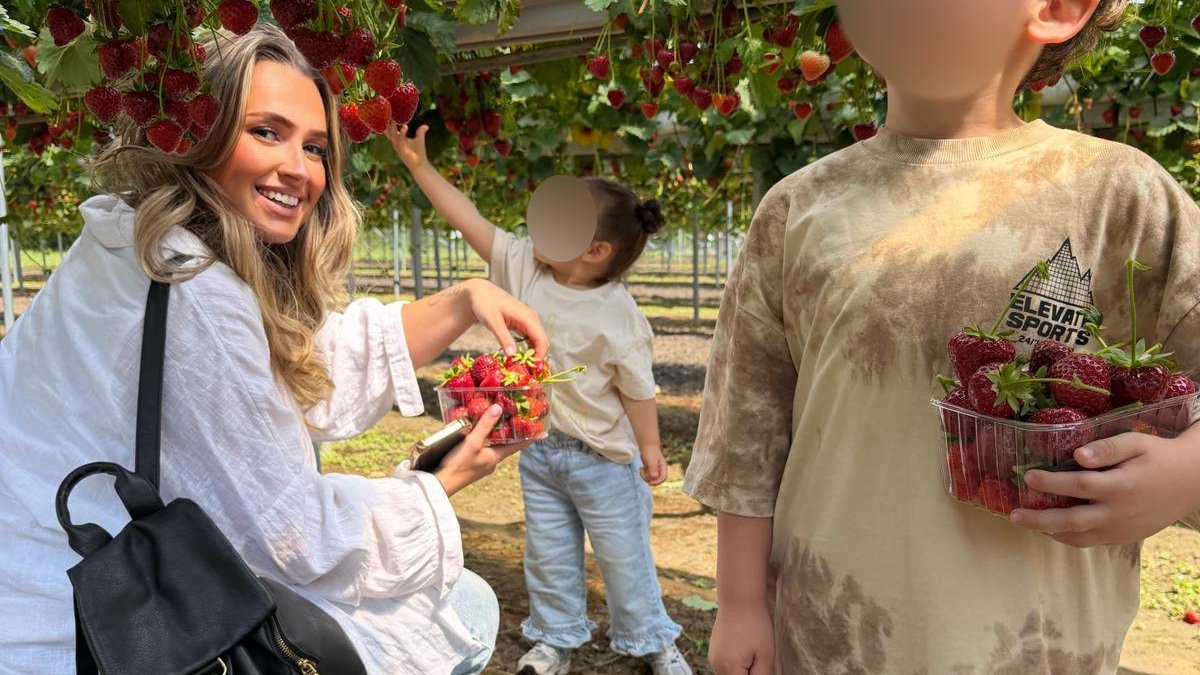
The average UK household is spending nearly £119 per week on food shopping, amounting to more than £6,000 per year. For families with children, the cost can increase to £170 weekly. Rising costs mean that 61 per cent of people in the UK claim they’ve had to cut back. In a new series, The i Paper asks families how they manage their weekly budget. This week, we hear from a stay-at-home mother-of-two, Rebecca Baron-Hill, 32, about how she and her partner, 32, keep their family’s food shop under £120 and UPF-free for their son, four, and daughter, two. I’m very strategic with the food shops; we get the same things all the time, and it’s rare I try a different meal plan as that’s what keeps our shop the same price. Having structure means I’m less likely to go over budget. I go to the supermarket weekly, usually to Sainsbury’s, and spend between £100 and £120. Sometimes it can be less than that, sometimes more. At the first food shop of the month I make sure to get everything we’re running low on that lasts, like tinned foods, flour, eggs and things I’d need for baking. We don’t really deviate from our usual meals. Spaghetti Bolognese is definitely one of the family meal winners; a chicken stir-fry is another one. We have roast dinners, not always on a Sunday, sometimes midweek, and we do homemade pizzas. Shorts In the shops, clean-ingredient pizzas can be expensive. Obviously, in the local corner shop you can get a frozen pizza for £2 but the ingredients aren’t great, so we use the Costa Molica wraps as a base, which cost £1 to £2 for five wraps and that’ll be two weeks’ worth for us. Whatever I don’t use, I freeze to avoid any wastage. I tend to make a lot of things from scratch, including my kid’s snacks. It makes more sense as I’m in control of what’s going into it, and from a cost perspective, I usually have the ingredients I need sitting in the kitchen cupboard anyway. The prices of kids’ snacks in the shops are ridiculously high; you could spend around £3 to £4 for a pack of dried fruit. We tend to buy organic and UPF-free. I think all parents change their outlook on health and diet when they have children but for me it started when my dad passed away from lung cancer when I was 15. I started to look at things differently and whether or not things that were being sold to us were genuinely good for us. When I had children, the kids’ aisle really threw me off; the majority is ultra-processed so when my son was weaning I started making purees from scratch and freezing them. In our house now, a typical breakfast for my two-year-old daughter is a yoghurt bowl with authentic Greek yoghurt with some fruit, or a chia seed pudding. My husband and I have the same but my son often has toast and berries, as he became quite avoidant with textures when he was around two. For lunches, we have eggs with sourdough, with some sort of fruit and vegetables. I try to keep protein in all of our meals to stop too much snacking, and my son often has a cheese wrap. Eggs are a winner. They’re the quickest, least stressful dinner. I sometimes add bone broth (that makes more of a soup), flaxseeds, spinach, tomatoes or Parmesan and we have a nutritionally adequate dinner in less than 10 minutes. I add some cucumber; all mums love cucumber as a side staple, some peppers and hummus. That’s always the go-to if I don’t have much time or my daughter’s had an early lunch and is getting really hungry. There’s also minimal washing up, it’s a one-pan dish. On Mondays I always look on Uber Eats for their Fresh Mondays. In my area of Bedfordshire, they list organic fruit and vegetables from Waitrose, Sainsbury’s, Co-op, Tesco and have 50 per cent off. This week I put in an order from Waitrose and it cost me £26 instead of £45. I am quite the bargain hunter. I always look around between the supermarkets, sometimes I pop into M&S because an item might be cheaper that week, and the bread I get is from Aldi as it has cleaner ingredients. I make the most of loyalty cards and activate any offers on them, it can save £5-10 per week which adds up. A lot of things I buy are Sainsbury’s organic range, and I do a mix between branded and unbranded; it depends what’s on offer that week. I tend to go for the branded items, like All Things grass-fed organic butter, when it’s on Nectar price; otherwise I get the supermarket brand. One thing I buy every month is a frozen vegetable mix that includes onions, carrots and celery. Instead of having to buy fresh produce every single week, or even every few days, I buy that to put in things like cottage pie or Bolognese and it’s great. It’s also finely chopped so it’s a good way to secretly add in more hidden vegetables for the kids. A lot of fresh produce barely lasts a week nowadays; the only thing I tend to buy fresh is fruit as my son prefers it. For things like ice lollies though, I buy a frozen bag or smoothie mix, add a little bit of milk and pop it into a mould, which works out cheaper than buying shop-bought ones. A clean ingredient box from brands like Pip Organic can be between £4-5 and in my household they’re gone in three days. The frozen mixed bags cost around £2 and last up to three weeks. It’s a significant difference. For snacks, I’ve been making chickpea protein balls recently; a tin costs around 50p and I blend them with some dates and add maple syrup, flaxseeds or some chia seeds, pop it in a food processor and roll into balls before popping them in the fridge. You don’t need to bake them; it just takes a little bit of prep, and then I freeze them for when we need. I also do a lot of baked oats, flapjacks or egg muffins. I whisk up a load of eggs, add some cheese, tomatoes and spinach, put them in muffin moulds and they cook in the oven in 10 minutes. I tend to batch cook our snacks for the week and keep the freezer stash topped up. To save on her children’s midday snacks, and ensure they’re healthier, she makes them herself, including muffins, flapjacks and chickpea balls Anything that requires a sauce base, like stir-fry or Bolognese, I also batch cook the sauce and freeze it, which makes it easier when I’m next making the meal. By doing this, we’ve managed to keep the cost of our shop the same over the last year. The most expensive things we buy are meat and fruit, even non-organic food has gone up in price. Other ways we save money are things like birthdays and Christmas; we find good quality secondhand products as it’s so much cheaper. Finding things that are still in the box and sealed for a fraction of the price of Amazon or Argos is a win. I check our local charity shops frequently and I love Vinted for the kids’ clothes. I’ve also already started my Christmas shopping and I’m halfway through being finished. My son is turning four in November, it’s quite close to Christmas, so I start early instead of rushing it. It means we have more money around December to do activities with the kids too. For that, I always look for discount codes online, and we had an app called KidsPass, which gives you a discount on days out. It’s always worth a look.
How I feed my family of four for £100 – without buying ultra-processed foods
Full Article
Original Source
Read the full article at Inews →KhanList aggregates and links to publicly available news content. We do not host full articles from third-party sources. Always verify important information with original sources.