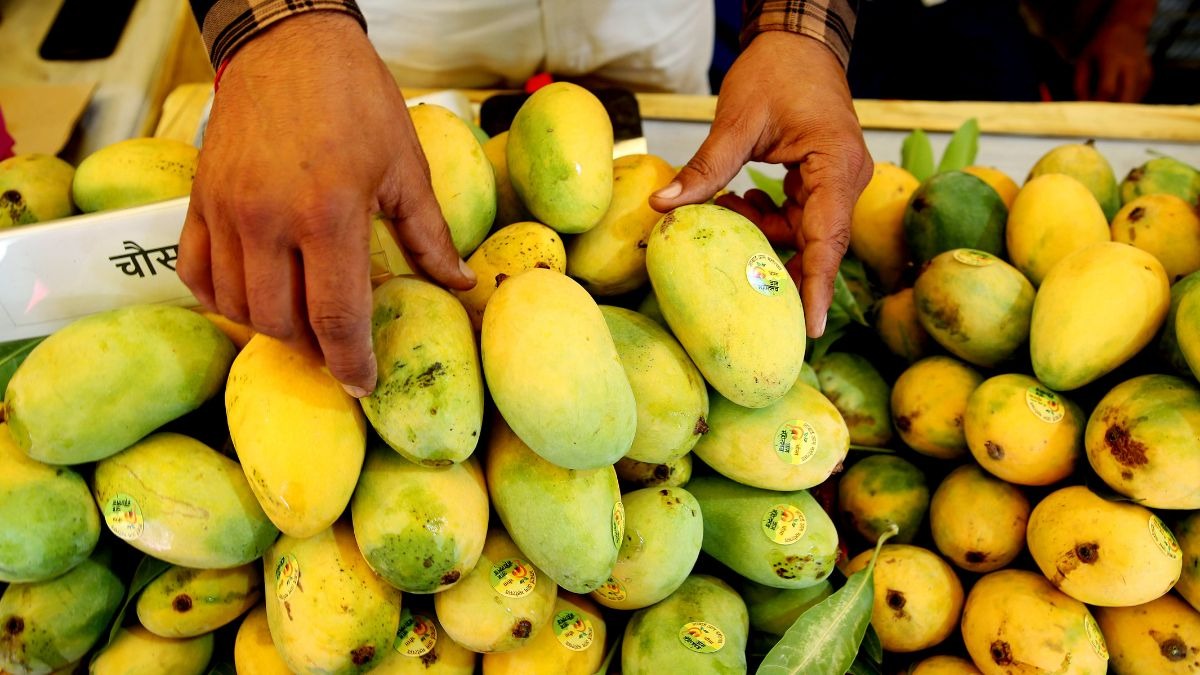
The agriculture department has planted saplings of 40 lesser-known types of the fruit to encourage their cultivation around the state and exports to the Goan diasporaGoa’s agriculture department, in a move to preserve indigenous varieties of mangoes, has planted 40 kinds of the fruit and is promoting their cultivation by farmers. The department also aims to boost export of these mangoes, including to countries where the Goan diaspora has a strong presence.The mango saplings have been planted at the Government Agricultural Farm at Codar near Ponda. The plantations include the famous Mankurad (or Mancurad) and local varieties, such as Bishop, Coleco, Barreto, Cardoz Malcurad, Cota, Ratna, Neelam, Amrapali, Costa, Miranda, Fernandin, Culas, Reynold, Malgoa, Pairee, Papel, Malgesh, Monteiro, Manga Rosa, Afosin, Reynold, Rebello, Musarrat (Bardez), Musarrat (Salcete), Furtad and Goa Alphonso. Mango growers say the cultivation of commercial varieties, such as the Alphonso, which has great demand in India and abroad, has taken a toll on these lesser-known varieties.“We have started planting these indigenous and other varieties of mangoes to allow for their multiplication by farmers in the future,” said a senior officer from the agriculture department. “Some of these mango varieties are facing extinction, and it is essential to maintain their germplasm.”The Codar farm is spread over around 110 hectares, with an emphasis on growing cashew. Around 15 hectares are under mango cultivation. “We are focusing on Mankurad for its commercial potential. It is preferred by Goans and also exported to the United Kingdom and the Gulf. However, there is a shortage when it comes to exports,” the official said. The low shelf life of this mango (just around six days) also affects its market potential and commercial viability.The department is exploring export possibility for other varieties by boosting their cultivation. The project also aims at preserving the germplasm of heirloom varieties facing declining cultivation. For instance, the Bishop mango is in demand in parts of the state, but supply isn’t much.“Even the Mankurad is not cultivated on a wide commercial scale,” the official said, adding that they, however, planned to promote its cultivation. Around 350 saplings of the variety have been planted at Codar.The mango is said to have originated in India. The development of the Alphonso variety owes a lot to the Christian missionaries in Goa. The polymath D.D. Kosambi says Jesuit priests introduced grafting on mangoes in the 16th century. The Alphonso is said to be named after the Portuguese general Alfonso de Albuquerque. The Portuguese introduced this variety through grafts on mango trees. Soon, it travelled to the Konkan. In Goa, people called this mango ‘Aphoos’ and in Maharashtra it was pronounced as ‘Hapus’.Subscribe to India Today Magazine- EndsPublished By: Akshita JollyPublished On: Aug 5, 2026 17:21 IST
How Goa is giving indigenous mango varieties a second chance
Full Article
Original Source
Read the full article at Indiatoday →KhanList aggregates and links to publicly available news content. We do not host full articles from third-party sources. Always verify important information with original sources.