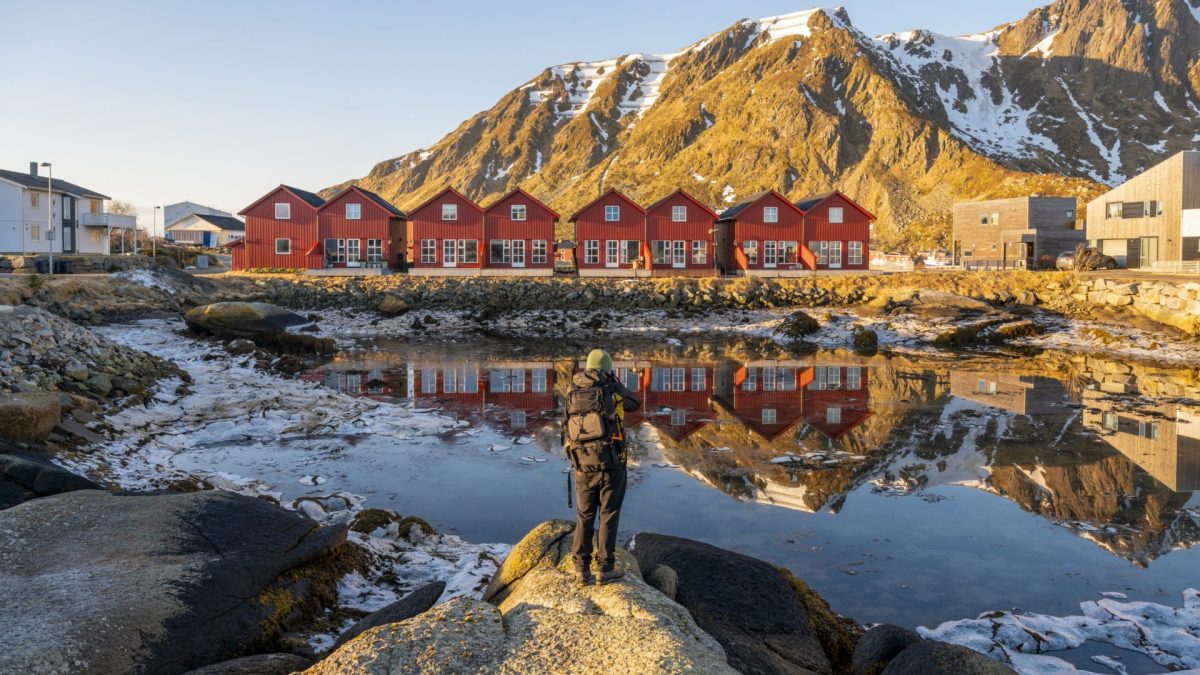
French wildfires that have scorched an area more than four times the size of Paris and forced thousands of tourists to flee could end the traditional European holiday – with Britons flocking to “coolcations” instead. More than 250,000 people have been evacuated from affected regions, including 4,000 residents and visitors from tourist sites west of Bordeaux on Tuesday. The wildfires around Bordeaux, in the south-west of France, have been described by President Emmanuel Macron as the country’s most severe fire-related crisis since the Second World War. Southern Europe ‘no longer a relaxing summer escape’ Dr Liz Bentley, chief executive of the Royal Meteorological Society, said: “These wildfires are a stark reminder that France, as well as Spain, Italy and other European holiday destinations, are becoming increasingly exposed to extreme heat and risk. “It is likely that as our climate continues to warm, 50℃ will be experienced for the first time somewhere in Europe in the years to come.” A survey by InsureandGo, conducted in May, found that three in four UK holidaymakers believe that traditional hot spots such as France, Spain, Greece and Cyprus will be too hot to visit by 2030. “Southern European holidays will no longer be a relaxing summer holiday escape,” said Ilan Kelman, professor of disasters and health at University College London. France has been hit by drought conditions following a heatwave and water shortages (Photo: Sarah Meyssonnier/Reuters) Earlier this week, tourists were urged by a French official from Bordeaux’s surrounding region of Gironde not to visit until the “situation is under control”. Peter Sammonds, professor of geophysics and climate risks at UCL, said: “The human body struggles to cope in 33℃ weather, and for some it can be even lower. “Going forward, British tourists need to become aware of these risks, similar to how they would when travelling somewhere like Egypt or Cyprus. Tourists do not think about these things when going to France.” In 2024, France was the second-most visited country by British tourists, amassing 9.3 million visits, according to the Office for National Statistics. The wildfires have been influenced by El Niño, a Pacific weather pattern that increases global temperatures. But Bentley said: “El Niño will add extra warmth to the global climate, but it isn’t the main reason Europe is experiencing these extremes.” “The overwhelming driver is long-term climate change, which is increasing the likelihood and intensity of the conditions we’re seeing across southern Europe.” Rise of the ‘coolcation’ Kelman believes that, in summer, southern European hot spots will become areas to vacate from, rather than to. The Association of British Travel Agents (Abta) said Brits’ appetite to visit France currently “remains the same” as previous years. But data from Trip.com has shown a 237 per cent increase in searches for cooler destinations in summer. Travel agents are also increasingly promoting “coolcations” in cooler countries such as Switzerland, Norway and Iceland. Holidaymakers will need to increasingly consider countries in northern Europe, or ‘change their habits by choosing to travel earlier or later in the year’ (Photo: Getty) Norway has reportedly seen a 28 per cent increase in tourism compared with pre-2020 levels. Bentley said British holidaymakers will need to increasingly consider countries in northern Europe, or “change their habits by choosing to travel earlier or later in the year”. A February survey by InsureandGo found that 44 per cent of UK holidaymakers would opt for travelling outside of peak season. Abta has also noted a higher demand in September travel, increasing from 17 per cent in 2023 to 24 per cent of people planning to travel abroad in 2024. Sammonds said these choices are proving increasingly popular among vulnerable groups, such as the elderly and families with young children. Staycations also seem to be rising in popularity. Insurance warning for tourists looking to cancel holidays Tourists due to visit areas affected by wildfires have been urged not to cancel their trips without checking with their insurer first. Rory Boland, Editor of Which? Travel said the “devastating wildfires will understandably leave those with holidays planned in the affected areas feeling anxious”. But he added: “Travellers who cancel now will likely forfeit their right to a refund or rebooking. As the Foreign, Commonwealth and Development Office has not warned against travel to the affected regions, they are unlikely to be able to claim on their travel insurance. As a rule, insurance firms won’t make allowances for ‘disinclination to travel’. “Instead, holidaymakers should wait until closer to the departure date to see if the holiday can go ahead or what flexible booking options are offered from the tour operator or airline. “Travel companies will be prioritising anyone due to depart in the next couple of days.”
How French wildfires could speed up ‘coolcation’ getaways for Britons
Full Article
Original Source
Read the full article at Inews →KhanList aggregates and links to publicly available news content. We do not host full articles from third-party sources. Always verify important information with original sources.