
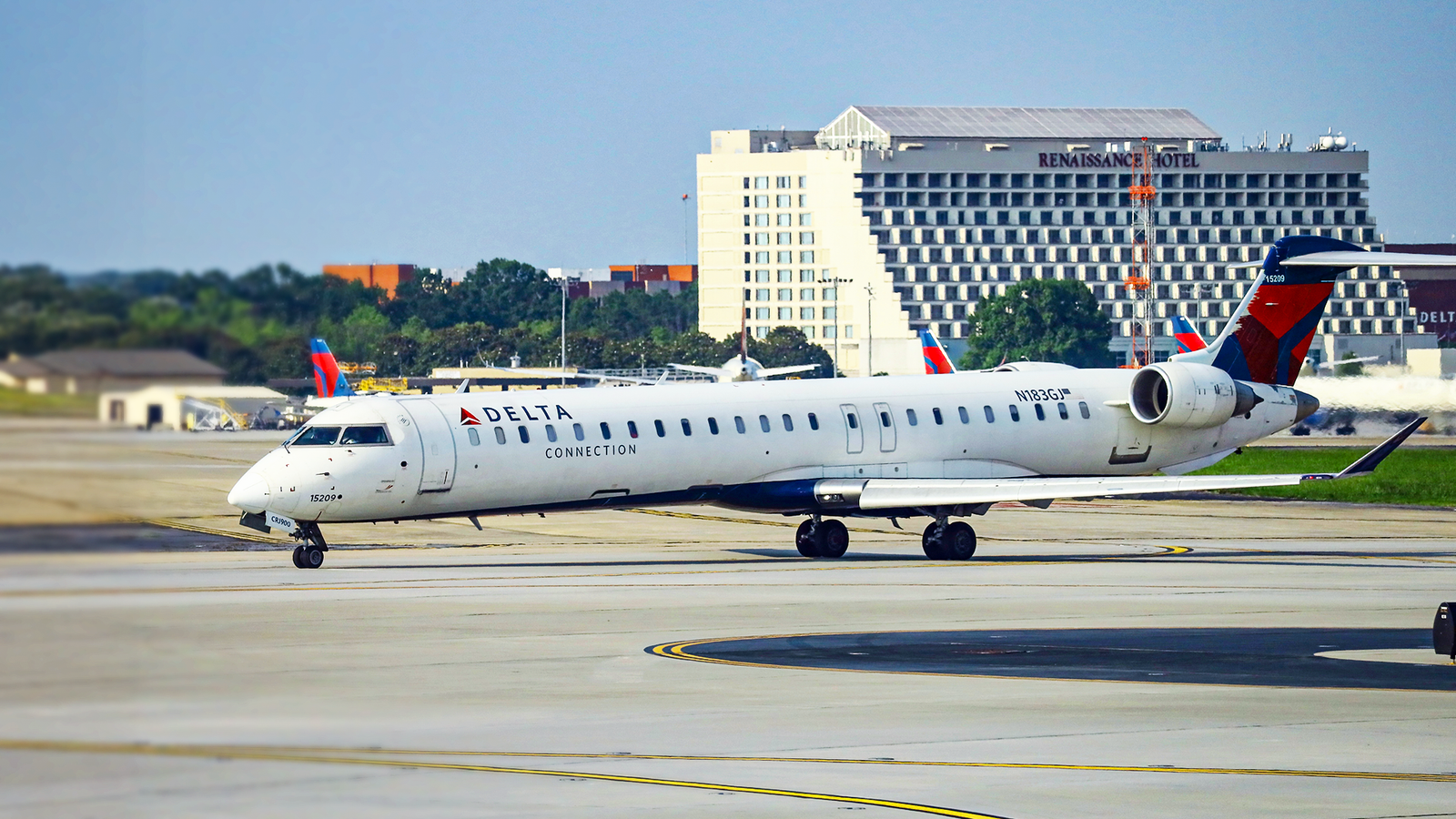
For aspiring airline pilots, securing a position at a regional carrier is often the first major step toward flying for a major airline. However, Endeavor Air offers something that makes its career pathway particularly attractive: an established route to Delta Air Lines that allows eligible pilots to advance without completing another interview or additional testing. The opportunity is especially significant for pilots who want to build their experience while working toward a long-term position at a major US carrier. Under its Career Advancement Program, Endeavor Air pilots can become eligible for this pathway after completing 24 months as a captain. This arrangement gives first officers a clearly defined career objective, although reaching that milestone requires completing training, upgrading to captain, and meeting the applicable program requirements. With regional pilot salaries also increasing, Endeavor Air has become an interesting option for pilots weighing immediate compensation against future career opportunities. The Regional Airline Salary Market Has Changed Significantly Credit: Delta Air Lines The financial appeal of regional airlines has changed considerably since 2020, when starting salaries for first officers at some carriers were substantially lower than today's figures. Historically, new regional pilots could expect hourly rates around $30, making the first few years of an airline career financially challenging. However, staffing shortages, increased competition for qualified pilots, and changes in industry-wide compensation have transformed the market. In 2026, regional first officer hourly rates are considerably higher, with some carriers offering approximately $100 or more per flight hour. Endeavor Air is particularly competitive, with its reported first-year first officer rate reaching $105.08 per flight hour. This represents a substantial improvement over older compensation figures and places the airline among the more financially attractive regional operators for newly hired pilots. Using a monthly guarantee of approximately 75 flight hours, a first officer earning $105.08 per hour could generate around $94,572 in annual base pay. This calculation does not include signing bonuses, additional flying, per diem payments, or other potential compensation. Actual earnings depend on the applicable pay agreement, scheduling, and individual circumstances, but the guaranteed-hour calculation provides a useful starting point when comparing regional airline opportunities. Other regional operators have also increased their compensation to remain competitive. Air Wisconsin, for example, has reported a starting first officer rate of approximately $96 per hour, translating into estimated first-year earnings between $92,000 and $110,000, depending on additional compensation. Signing bonuses also vary considerably, with some reported offers ranging from $5,000 to $15,000, while larger packages incorporating retention incentives can reach approximately $45,000. Endeavor Air's Career Advancement Program Provides A Route To Delta Air Lines While compensation is an important consideration, Endeavor Air's relationship with Delta Air Lines is arguably its most distinctive career advantage. The two airlines have an established Career Advancement Program, commonly referred to as CAP, which provides qualifying Endeavor Air pilots with a structured pathway toward employment at Delta Air Lines. Rather than relying entirely on the uncertainty of applying through the traditional recruitment process, eligible pilots have access to a defined advancement opportunity. The most important milestone in this arrangement is completing 24 months as a captain at Endeavor Air. This means the eligibility clock is connected to captain service, rather than simply the date a pilot initially joins the airline as a first officer. Consequently, pilots must account for their initial training, time spent building experience, and the period required to upgrade before they can reach the qualifying milestone. For eligible pilots, the program offers a significant advantage because the transition does not require another conventional Delta Air Lines interview or additional testing under the CAP pathway. This removes an important element of uncertainty that normally accompanies a competitive mainline airline application. However, the arrangement should not be interpreted as an unconditional job offer from the first day of regional employment, since pilots must still satisfy the program's applicable eligibility and qualification requirements. This distinction makes Endeavor Air particularly appealing to pilots who already view Delta Air Lines as their preferred long-term employer. The opportunity provides a clearer career direction, while allowing pilots to gain valuable airline experience and earn a competitive salary along the way. It also demonstrates how a regional airline relationship can influence a pilot's decision beyond the immediate considerations of pay, aircraft, and base location. Endeavor Air operates regional flights on behalf of Delta Connection, the SkyTeam carrier's regional subsidiary. First Officers Must Complete The Captain Upgrade Before Becoming Eligible For a newly hired first officer, the journey toward Delta Air Lines begins with successfully completing the airline's initial training and operating experience requirements. New pilots must become familiar with company procedures, aircraft systems, operational standards, and the responsibilities associated with flying scheduled regional services. This initial period is essential because it establishes the professional foundation required for progression within the airline. The next significant step is accumulating the experience and qualifications needed to upgrade to captain. Regional airlines have traditionally provided relatively accessible upgrade opportunities compared with some larger carriers, although the exact timeline depends on staffing requirements, pilot seniority, training capacity, and operational circumstances. Industry estimates commonly place regional captain upgrades within approximately 18 to 24 months, but individual progression can vary. An upgrade involves considerably more than receiving a new job title. First officers must demonstrate the knowledge, judgment, leadership, and technical ability required to command an aircraft. Captain training includes additional responsibilities relating to flight preparation, crew coordination, operational decision-making, and regulatory compliance. Successful completion of the required training and evaluations is necessary before a pilot can operate as captain. Once upgraded, the pilot begins accumulating the 24 months of captain service associated with the Career Advancement Program. This is an important detail for prospective applicants because the total time between joining Endeavor Air and reaching CAP eligibility can be substantially longer than two years. A pilot should therefore consider the entire progression timeline rather than assuming that 24 months of employment automatically provides access to Delta Air Lines. The latest data from ch-aviation shows that Endeavor Air currently operates a fleet of 145 Bombardier aircraft, made up of the following aircraft types: Aircraft Number In Fleet Number On Order Bombardier CRJ700 15 - Bombardier CRJ900 130 - The Connection Offers An Advantage Over Traditional Airline Recruitment Moving from a regional airline to a major carrier normally involves a competitive recruitment process. Pilots applying independently must typically submit an application, meet the hiring requirements, complete assessments, and participate in an interview. Even experienced regional captain may face uncertainty because hiring decisions depend on airline staffing requirements and the competitiveness of the applicant pool. Endeavor Air's Career Advancement Program changes this dynamic by establishing a more direct route for qualifying pilots. The absence of an additional interview or testing requirement through the program can make a considerable difference to someone planning a long-term aviation career. Instead of repeatedly preparing applications and interviews, eligible pilots can concentrate on meeting the established requirements and performing their existing responsibilities. This does not mean that every Endeavor Air pilot automatically transfers to Delta Air Lines after completing the required period. Program eligibility, applicable contractual conditions, professional standards, and any other requirements remain important. Pilots should also review the current official program documentation to understand the precise conditions governing their individual circumstances, rather than relying exclusively on general descriptions of the pathway. Nevertheless, the arrangement provides a level of career visibility that can be difficult to find elsewhere in the regional airline industry. For pilots who want to fly for Delta Air Lines, the ability to work toward a defined advancement opportunity can be more attractive than relying solely on the open recruitment market. It also makes the regional experience feel like a structured stage of a longer career rather than an isolated employment opportunity. Higher Regional Salaries Make The Waiting Period More Attractive Credit: Markus Mainka | Shutterstock The improved compensation available at regional airlines has made the time spent building experience more financially manageable. At Endeavor Air, a reported first-year first officer rate of $105.08 per hour produces approximately $95,000 in annual base compensation when calculated using a 75-hour monthly guarantee. This is a substantial improvement compared with the lower salaries associated with regional aviation in previous decades. However, pilots should examine the entire compensation package rather than focusing exclusively on hourly pay. Signing bonuses, retention incentives, health insurance, retirement contributions, vacation provisions, and other benefits can influence the overall value of an employment offer. Different carriers also structure their compensation differently, meaning that two apparently similar hourly rates do not necessarily produce identical financial outcomes. Retirement benefits are another important consideration when comparing regional employment with a future mainline position. Major airlines such as Delta Air Lines have established retirement programs that can make long-term employment particularly attractive. An often-discussed feature of major airline compensation is the 18% direct retirement contribution available under certain arrangements, although the applicable terms and eligibility conditions should always be checked against current plan documentation. For Endeavor Air pilots, these financial considerations must be balanced against the potential value of reaching Delta Air Lines. A competitive regional salary provides income during the experience-building stage, while the CAP pathway offers a structured opportunity to pursue a mainline career. This combination can make the initial regional years more appealing than they might appear when considering hourly compensation alone. What Prospective Pilots Should Understand Before Joining Endeavor Air Credit: Marks Mainka | Shutterstock Although the Career Advancement Program is an important attraction, prospective pilots should understand that joining Endeavor Air does not immediately guarantee a transfer to Delta Air Lines. The process involves several stages, beginning with meeting the airline's hiring requirements and successfully completing initial training. Pilots must then progress through their first officer responsibilities and qualify for an upgrade to captain before beginning the required 24-month period. The timeline can also be affected by circumstances beyond an individual pilot's control. Training availability, aircraft requirements, staffing levels, and seniority can influence when an upgrade becomes possible. Consequently, two pilots hired around the same time may not necessarily reach captain status simultaneously. Anyone evaluating the opportunity should avoid treating an estimated upgrade timeline as a contractual guarantee. It is equally important to understand that the CAP pathway is different from an ordinary application to Delta Air Lines. Its value comes from the specific advancement arrangement between the airlines, including the absence of an additional interview and testing process for eligible participants. Pilots should carefully review Endeavor Air's official Career Advancement Program information and confirm the current requirements with the airline before making employment decisions. Ultimately, Endeavor Air provides an appealing combination of competitive regional compensation, valuable airline experience, and a defined opportunity to advance to Delta Air Lines. For a first officer seeking a long-term career with a major US airline, the possibility of becoming eligible after 24 months as an Endeavor Air captain represents a significant advantage. The pathway still requires dedication, successful progression, and patience, but it offers a clearer destination than the traditional approach of independently competing for every mainline vacancy.
How Endeavor Air First Officers Reach Delta Air Lines After 24 Months As Captain With No Extra Interview
Full Article
Original Source
Read the full article at Simpleflying →KhanList aggregates and links to publicly available news content. We do not host full articles from third-party sources. Always verify important information with original sources.