
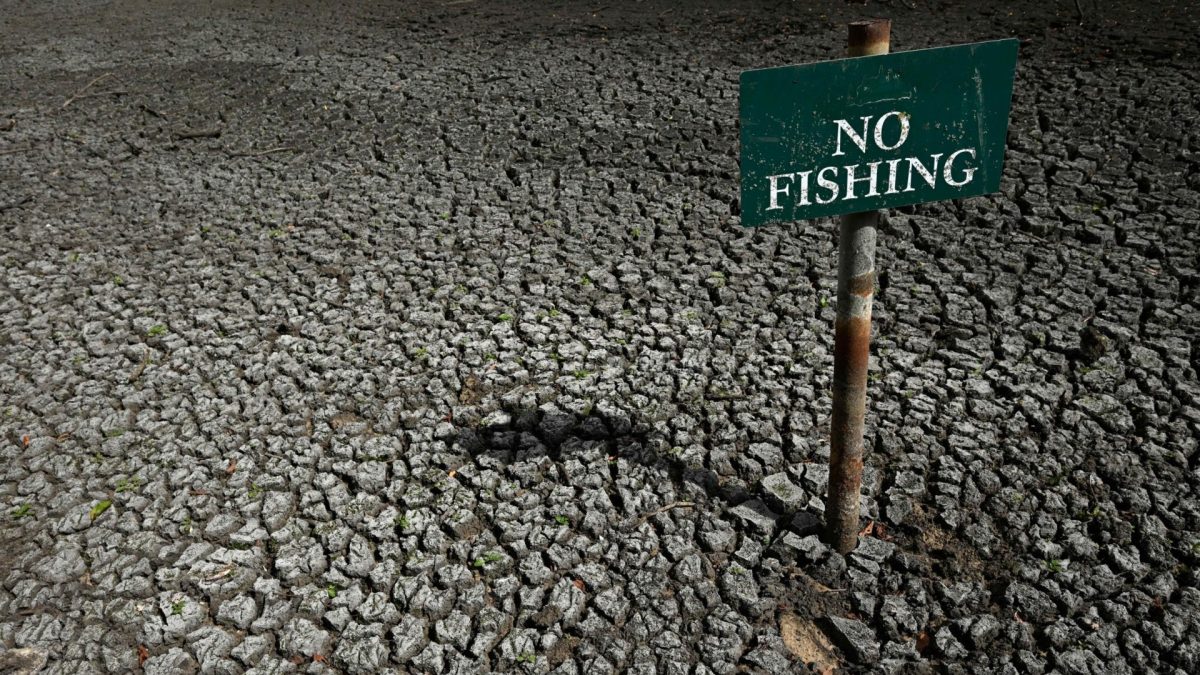
The El Niño weather event currently forming over the Pacific Ocean is likely to be the strongest since the 19th century, increasing the likelihood of extreme weather in the UK, the Met Office has warned. The weather phenomenon is expected to make storms and floods more likely in parts of Britain this autumn, and 2027 is now predicted to be the hottest year on record globally. Because of the UK’s distance from the Pacific, the link between El Niño and British summers is less clear. But climate scientists warn it will likely make future heatwaves even more intense. Shorts ‘Ingredients for a hot summer’ El Niño is a periodic warming of the tropical Pacific Ocean that occurs every two to seven years and disrupts normal weather patterns around the world. The impacts are felt strongest in regions surrounding the Pacific Ocean, though an El Niño also increases the likelihood of the UK experiencing wet, windy autumns followed by cool, dry winters. It’s predicted that 2027 will be the hottest year on record as the strong El Niño coincides with the ongoing impacts from climate change. This doesn’t automatically mean the UK will have a hot summer (while El Niño made 2024 the hottest year on record, UK temperatures weren’t higher than normal). But it does mean any heatwaves due to come are likely to be even more extreme. “It is still too early to say what next summer will bring for the UK. However, El Niño’s additional warming, combined with an already warmer climate, could provide the ingredients for a hot summer,” said Dr Akshay Deoras, senior research scientist at the National Centre for Atmospheric Science. If El Niño brings the UK heavy rains it could help with drought conditions (Photo: Finnbarr Webster/Getty) Will the El Niño bring another drought? Over 70 per cent of England and all of Wales is currently in drought, after many parts of the country went over two months without any rainfall this summer. The drought is likely to continue into the winter as affected areas need months of above-average rainfall for reservoirs, rivers and groundwater to be replenished. El Niño increases the likelihood that the UK will experience a wet autumn, which will help with the drought. However, it also means we are more likely to get a dry winter. Deoras said the UK needs a “really, really large amount of rainfall over the next few months” to replenish our water resources. A worst-case scenario could see the UK entering next spring still in drought and then experiencing another particularly dry summer. Tim Palmer, Royal Society Research professor at the University of Oxford, said climate forecasts are expected to be released next month outlining the impact of El Niño on the UK’s winter rainfall. “We can hope that they will show abundant rain over the UK. If they don’t, we’re in serious trouble,” he said. UK summers will only get worse While it’s too early to predict what will happen in the UK next summer, experts agree we should be preparing for another hot, dry summer. “This is the least extreme climate we’re going to experience in our lifetime,” said Dr Hayley Fowler, professor of climate change impacts at Newcastle University. “Hopefully we won’t get five heatwaves again next summer, but at some point in a summer very soon we’re going to get even worse conditions than we’ve experienced this summer,” she added. Emma Howard Boyd, professor in practice at the Grantham Research Institute on Climate Change and the Environment, said this summer has already illustrated a number of vulnerabilities in the UK’s preparedness for extreme heat, including in schools, hospitals and transport infrastructure. This summer alone, there was one heatwave a month. It also saw Britain’s annual wildfire record broken by mid-August, widespread travel disruptions, rivers running low, water shortages and thousands of heat-related deaths. Homes and trains are ill equipped, though plans to adapt Britain’s homes and railways are still in their early days, experts previously told The i Paper. While some “emergency” measures, such as shading in playgrounds, can be done over the next year, some departments currently have decade-long strategies for adapting their infrastructure, she said. “We need to ensure that preparing for our changing climate is absolutely a priority, as opposed to something that possibly gets cut as we forget that we had a hotter period of time,” she said. The Panama Canal will reduce shipping volumes from next month because of a drought fuelled by El Niño (Photo: Martin Bernetti/AFP/Getty) The indirect ways El Niño could impact the UK The biggest impact of El Niño on the UK is likely to be more indirect, through rising food prices and disruptions to supply chains. Analysts at Goldman Sachs previously predicted this El Niño could cause a 15.8 per cent surge in food prices, which would not be fully felt in the global economy until the end of 2028. Rice and chocolate are among the foods most vulnerable to El Niño price spikes due to the impacts of extreme weather on south Asia and parts of Africa. A strong El Niño can also disrupt global trading routes – and this is already happening. On Thursday the Panama Canal Authority announced it was cutting the number of vessels passing through the key waterway due to low rainfall, bringing further disruptions to global supplies.
How El Niño could make next summer even hotter than this one
Full Article
Original Source
Read the full article at Inews →KhanList aggregates and links to publicly available news content. We do not host full articles from third-party sources. Always verify important information with original sources.