
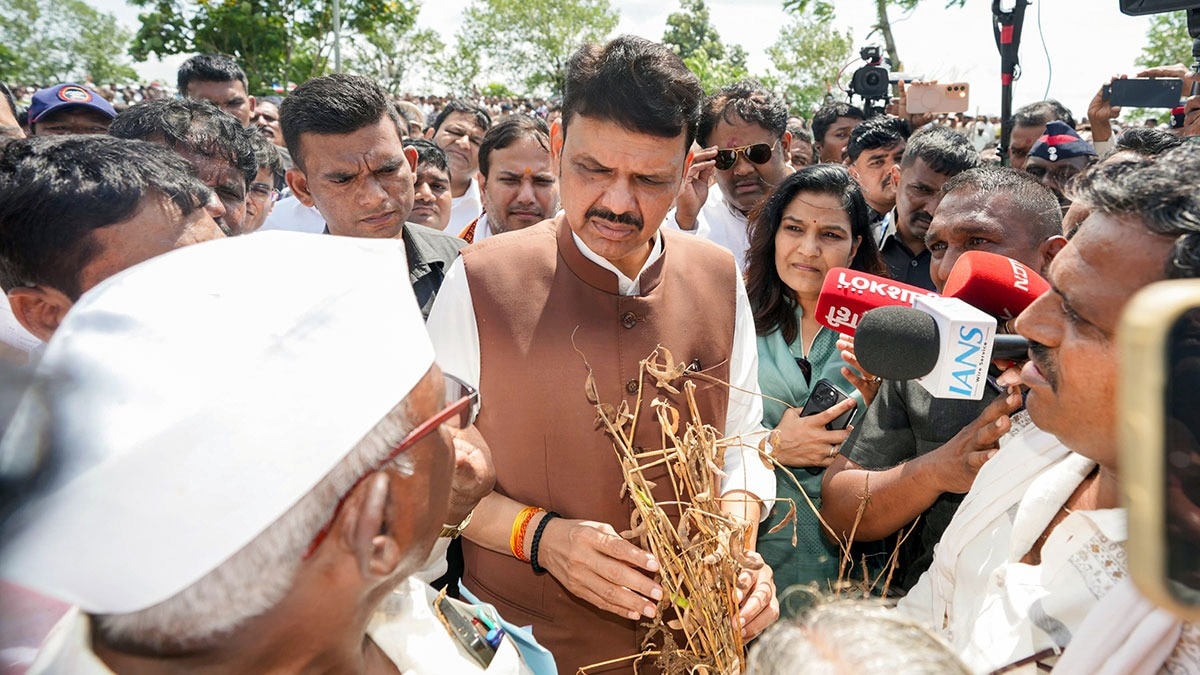
Dairy cooperatives say poor farm income would push agriculturists to focus on milch cattle while rising milk production costs were likely to push up retail milk ratesThe onset of drought and scarcity in Maharashtra threatens to push up input costs for the state’s dairy farmers, and consequently the retail prices of milk.Poor and scanty rainfall, especially in August-September, has led to the state declaring 265 of its 358 talukas as drought-affected, with extreme conditions prevailing in the Marathwada and Vidarbha regions, which are long associated with agrarian distress. Pockets of northern Maharashtra and districts such as Solapur in western Maharashtra are also facing drought.Dairy farmers and milk cooperatives said that while the poor income from farming would push agriculturists to focus on their milch cattle, the rise in costs of inputs such as cattle feed and fodder was expected to increase the cost of production, and consequently retail milk prices.Stakeholders say that a litre of milk can cost around Rs 28-30 for a dairy farmer who owns four to five cows. This production cost can go up to Rs 40- 45 for buffaloes for farmers who own around four to five animals. At present, a litre of milk with 3.5 units of fat and 8.5 units of solid not fat (SNF) fetches farmers around Rs 42, while it is Rs 56 for buffalo milk (six units of fat and nine SNF). In Mumbai, cow milk retails at about Rs 60 per litre while it is around Rs 78 for buffalo milk. However, the procurement and retail rates vary for dairies. The crackdown on adulteration by the Food and Drug Administration (FDA), led by its commissioner Tukaram Mundhe, has led to procurement prices of milk rising to these levels from just around Rs 36-37 for cow milk and Rs 51-52 for buffalo milk in May.Raju Shetti, farmer leader and former Lok Sabha MP, said the shortage of fodder was expected to lead to a decline in the production of milk, especially in drought-affected regions like Marathwada and parts of western Maharashtra, such as Jath, Kavathe Mahankal, Atpadi, Maan and Khatav. “The state government needs to make drinking water and fodder available [for farmers],” he stressed.Prakash Kutwal, founder and chairman of Kutwal Foods Pvt Ltd, which manufactures milk and dairy-based products under the Urja brand, said farmers chose to focus their energies on milk business during drought, and even saved their wilted kharif crops, such as groundnut, as cattle feed.Kutwal, who is the secretary of the Maharashtra Rajya Dudh Vyavasayik Sangh, warned that inputs costs may head north and force a hike in retail rates. He pointed to how the Karnataka cabinet had recently proposed a hike in the prices of Nandini milk, owned by the Karnataka Cooperative Milk Producers' Federation Limited, by Rs 8 per litre.“During drought, farmers have no option but to focus on milch animals and their dairy business. Since their [economic] dependency on milk goes up, so does production,” noted former Maharashtra minister Vinay Kore Savkar of the Kolhapur-based Warna group, adding, however, that fodder and cattle feed supply had to be ensured.The flush season of milk usually begins around November and continues till March-end or April. The liquid milk in surplus will be converted to products like butter and skimmed milk powder.Maharashtra’s daily liquid milk production in the organised and unorganised sector is around 17 million litres daily. Cow milk forms a bulk of the collections, with buffalo milk being just around 4 million litres.A legacy entrepreneur from the dairy sector noted that apart from the fall in fodder availability due to drought, rising heat stress would impact the production of milk. “Heat has a hormonal impact on milch animals and their lactation. The costs of fodder will rise and so will the expenses on the health of animals. The growing heat stress and water scarcity from February-March may lead to an increase in adulteration to push up production,” he acknowledged.A rise in milk prices would also lead to a hike in prices of sweets and milk byproducts such as paneer and khoya, he noted, adding that already, milk-based sweets were being sold for almost the same rate as those made of cashews, a far cry from the times when the price difference was double. The entrepreneur said that while the focus was on rearing cows, the Indian water buffaloes were more resilient when it came to heat and hot climatic conditions.Subscribe to India Today Magazine- Ends
How drought-affected Maharashtra is staring at a milk crisis
Full Article
Original Source
Read the full article at Indiatoday →KhanList aggregates and links to publicly available news content. We do not host full articles from third-party sources. Always verify important information with original sources.