
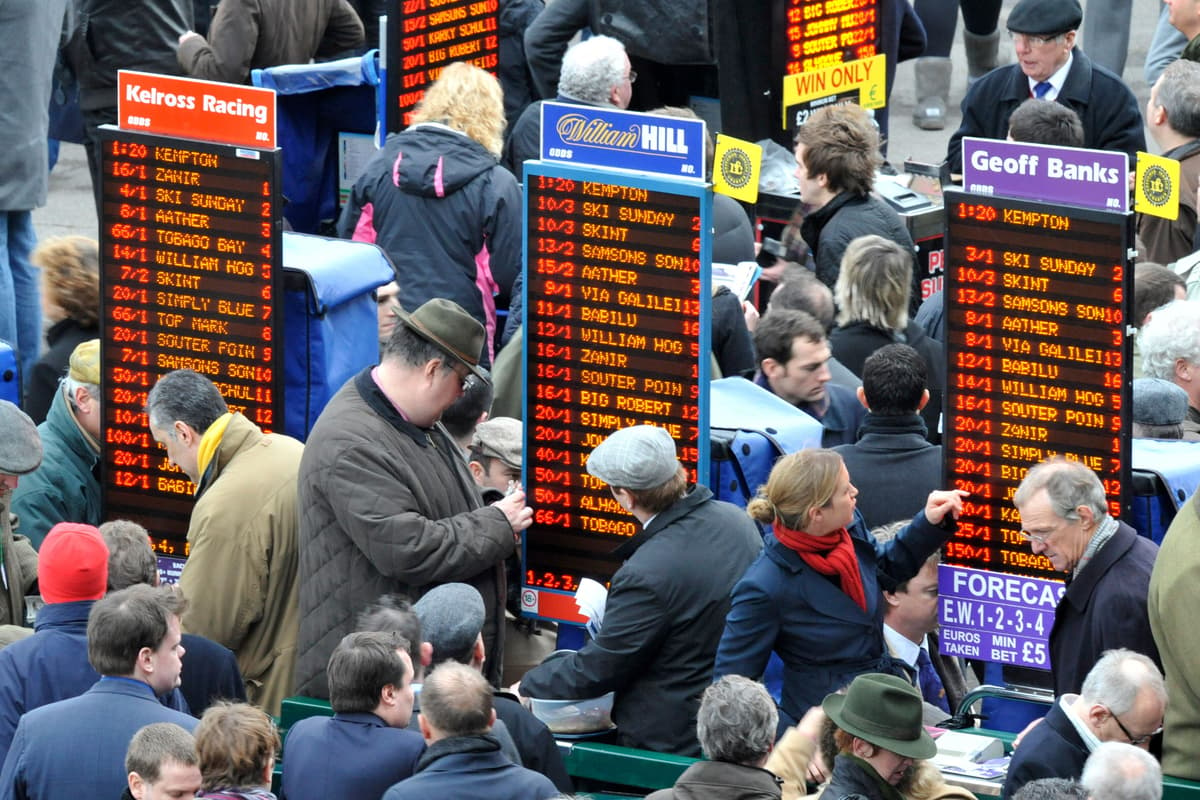
A bookmaker sets the odds on the possible outcomes of an event, accepts bets across those outcomes and builds a profit margin into its prices. That margin, known as the overround, means the bookmaker can make money across a market, regardless of the result. We’ve taken a look at how betting sites operate behind the odds, from pricing risk to managing liabilities, for anyone who wants to understand how bookmakers work before placing a bet.Read MoreWhat is a bookieA bookie, or bookmaker, is a company or individual that accepts bets on events and pays winnings according to the betting odds agreed when the bet is placed. That can cover sport, politics, entertainment and other markets.The key point is that bookmakers are pricing up events based on risk rather than simply predicting winners. They set odds and manage the money being staked on different outcomes so their overall position remains profitable.A punter wins or loses according to an individual result, whereas a bookmaker has all eventualities covered, with various margins of profit baked into each. The same principle applies whether you are using high street betting shop, online bookmaker or visiting a bookie at a track. Only the way customers access the service changes. How bookies set their oddsOdds begin with an estimate of how likely an outcome is. That assessment may come from a trader, statistical model or algorithm. If a team is considered to have roughly a 67% chance of winning, its fair odds would be around 1.49 in decimal format before the bookmaker adds its margin.The favourite is the outcome considered most likely, so it receives shorter odds and a smaller potential return depending on the size of the stake. An underdog is considered less likely to win and therefore has longer odds and a larger potential pay out.Prices can then move as new information arrives, including injuries, weather and team news. They can also change as customers place money on one outcome or another.How bookmakers make their profitThe bookmaker's margin comes from pricing all possible outcomes so their implied probabilities add up to more than 100%. A fair market would total exactly 100% - anything above that is known in sports betting terms as the overround, or the margin.Take a simple two-outcome market. Suppose one side is priced at 1.80 on football betting sites, implying a probability of 55.6%, while the other is 1.80, also implying 55.6%. Added together, those probabilities equal 111.2%.The theoretical margin is therefore 11.2%. The bookmaker has built that edge into the prices before anyone places a bet. This is why a bookmaker can still make money with an evenly balanced book. The advantage comes from the prices themselves, not from correctly predicting the winner.Balancing the book - how bookies manage riskBalancing the book is the day-to-day process of managing exposure after the odds have been set. If significantly more money is staked on one outcome, the bookmaker faces a larger liability if that outcome wins.It can respond by shortening the odds on the heavily backed side on horse racing betting sites, making it less attractive, while lengthening the price elsewhere to encourage more betting on another outcome. The aim is to reduce risk rather than make the market fair.A balanced book can leave the bookmaker's profit largely protected regardless of the result. If exposure remains high, the bookmaker can also reduce risk by betting with another bookmaker or trading out on an exchange. These are important parts of modern betting strategies.Key regulatory points UK punters should knowUKGC licensing: A bookmaker accepting bets from UK customers needs the appropriate UK Gambling Commission licence. This provides a legal framework and routes for complaints and recourse. Affordability and KYC checks: Operators verify identity and may carry out affordability checks for higher levels of spending. This explains why gambling sites ask for bank statements or other proof of funds. GamStop: The free self-exclusion scheme allows customers to block themselves from all UK-licensed gambling operators at once. Common misconceptions about how bookies workA bookmaker is not personally betting against an individual customer. They are managing a market across many customers and outcomes. Its odds are also not guaranteed probabilities because of the margin built into them. Finally, bookmakers do not need to pick winners consistently to make money. Their model relies on pricing and managing risk across the market.SummaryBookies work by pricing risk rather than simply predicting winners, adding an overround to create a margin and adjusting prices as betting activity changes. They can also lay off exposure elsewhere. Read MoreHow do bookies work - frequently asked questionsHow do bookies make money?Bookmakers make money by pricing markets so the implied probabilities of all outcomes add up to more than 100%. That difference is their built-in margin. Managing the balance of bets can then help protect that margin from unusually high exposure on one result.How do bookies' odds work?Bookmakers estimate how likely each outcome is, then convert those probabilities into odds while adding a margin. Prices can change before an event starts as new information arrives and as customers place more money on particular outcomes.How do bookies lay off bets?When a bookmaker has too much exposure to one outcome, it can place a bet on that outcome with another bookmaker to reduce its liability. It can also trade out through a betting exchange such as Betfair Exchange, passing some of the risk elsewhere.How do bookies pay out big wins?Winnings are generally paid from the operator's own funds and liquidity rather than directly from other customers' stakes. UK-licensed operators must hold sufficient funds to cover customer balances. Large or unusual wins may trigger identity or source-of-funds checks before payment is completed.
How do bookies work? Odds, margins and risk explained
Full Article
Original Source
Read the full article at Standard →KhanList aggregates and links to publicly available news content. We do not host full articles from third-party sources. Always verify important information with original sources.