
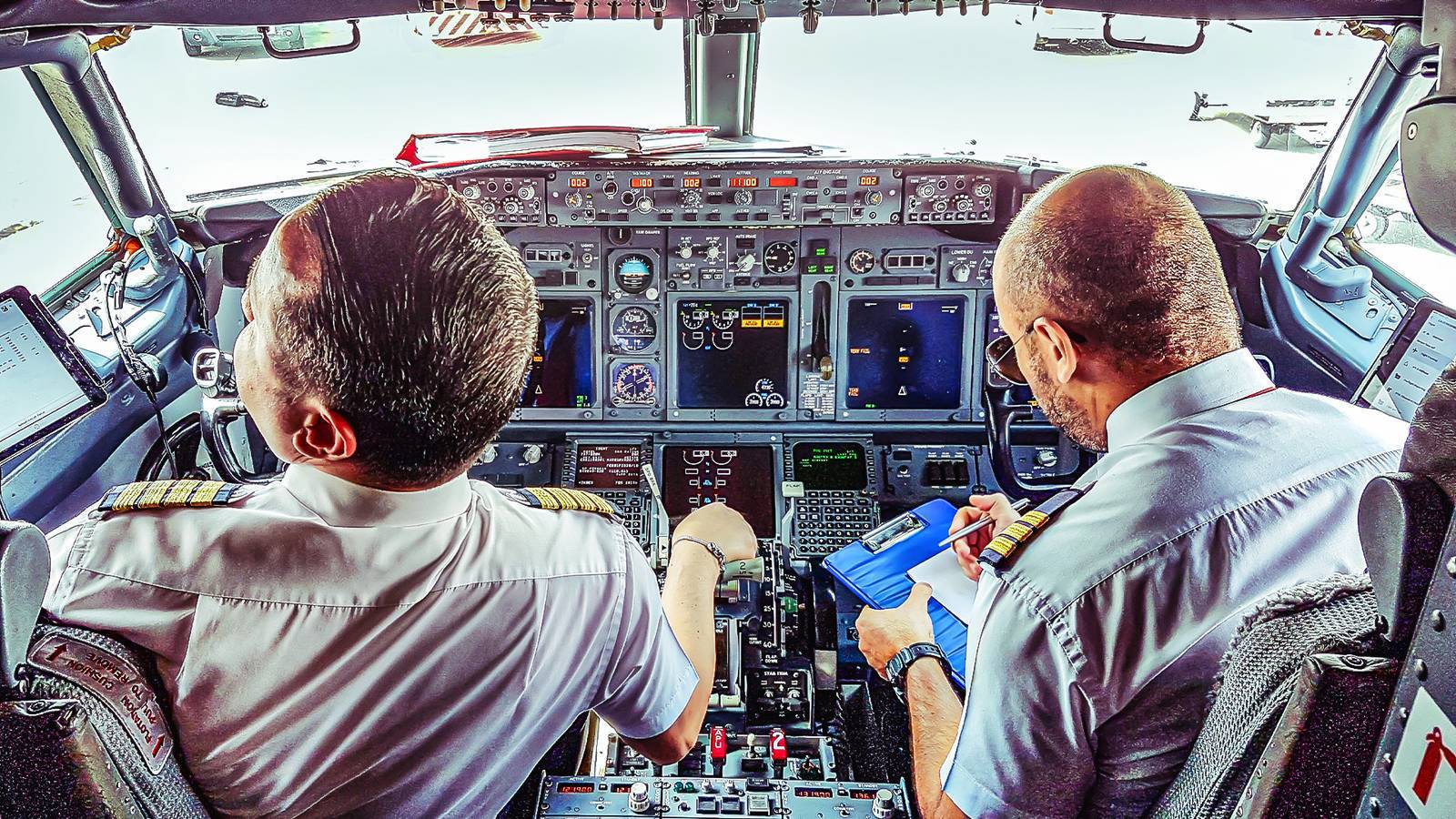
Published Sep 28, 2026, 7:00 PM EDT Jack comes to Simple Flying with a lifelong interest in all things aviation. He holds a degree in Aerospace Engineering from Georgia Tech, and is a certified private and remote pilot. Beyond these experiences, Jack previously worked for a corporate flight department where he gained first-hand experience in the world of business aviation. Currently, Jack works in the professional services industry and continues to build his flight hours outside of work. Ultra-long-haul flights can keep an aircraft in the air for well over half a day, crossing multiple time zones while the same flight crew remains responsible for its safe operation. Pilots do not simply remain on the flight deck for the entire journey. On qualifying long-duration services, airlines use augmented flight crews, meaning additional qualified pilots are carried so individual crew members can leave active duty and take protected rest periods during the flight. The system combines regulation, aircraft design, and operational planning. Pilots take turns operating the aircraft and resting in dedicated facilities, with the timing of those breaks planned around the flight's duration, departure time, circadian rhythms, and required duties. The goal is to ensure qualified, rested pilots are available when their workload is highest, particularly during departure, approach, and landing. Why Ultra-Long-Haul Flights Need More Pilots Credit: YAKOBCHUK VIACHESLAV | Shutterstock A conventional passenger flight generally has two pilots on the flight deck. On an augmented operation, the crew includes more pilots than the airplane's minimum certification requirement, allowing one pilot to be replaced by another for in-flight rest. US regulations define an augmented flight crew in those terms, while Part 117 establishes separate limits for augmented operations. The additional pilots are therefore not simply extra staffing. They are part of the fatigue-management structure that permits longer duty periods. The exact number of pilots depends on the operation and the applicable limits. Under the FAA's Table C (seen below), a three-pilot crew and a four-pilot crew have different maximum flight duty periods, and those limits also vary according to the scheduled start time and the class of rest facility available. For example, an operation beginning between 0700 and 1259 can have a maximum duty period of 17 hours with three pilots and a Class 1 facility, compared with 19 hours with four pilots and the same facility. The regulation also requires specific in-flight rest opportunities for the pilots who will be flying and monitoring during landing. Scheduled time of start (acclimated time) Maximum flight duty period (hours) based on rest facility and number of pilots Class 1 rest facility Class 2 rest facility Class 3 rest facility 3 pilots 4 pilots 3 pilots 4 pilots 3 pilots 4 pilots 0000-0559 15 17 14 15.5 13 13.5 0600-0659 16 18.5 15 16.5 14 14.5 0700-1259 17 19 16.5 18 15 15.5 1300-1659 16 18.5 15 16.5 14 14.5 1700-2359 15 17 14 15.5 13 13.5 For US flag operations, another regulation addresses extended flying by requiring adequate sleeping quarters on the airplane when a pilot is scheduled to fly more than 12 hours during any 24 consecutive hours. That requirement sits alongside the Part 117 framework, illustrating how crew-rest provisions can appear in different operating regulations. The applicable requirements depend on the operation and regulatory framework governing the carrier. This structure means the crew is managed as a rotation rather than as a single pair working continuously. Before the flight, the airline determines how the available pilots will cover the operating period, including when individual members can leave the flight deck. The schedule must preserve required rest while maintaining the qualified staffing needed at the controls. What The Crew Rest Areas Are Like Credit: Matheus Obst | Shutterstock The place where pilots sleep depends on the aircraft and the approved rest facility. FAA guidance recognizes three classes. A Class 1 facility is the most isolated, with a bunk or other surface that permits a flat sleeping position in an area separate from both the flight deck and passenger cabin. It is temperature-controlled, allows the pilot to control light, and is designed to limit noise and disturbance. These are the dedicated crew-rest compartments commonly associated with long-range aircraft. Class 2 facilities provide a different arrangement. They use a cabin seat that permits a flat or near-flat sleeping position and separate the resting crew member from passengers with at least a curtain. The space is intended to provide darkness, some sound mitigation, and reasonable protection from passenger or crew disturbance. A Class 3 facility is less substantial, consisting of a seat in the passenger cabin or flight deck that reclines at least 40 degrees and provides leg and foot support. The rest compartment is also deliberately separated from the normal passenger environment. FAA design guidance calls for enough sleeping surfaces to accommodate the maximum number of crew members expected to use them during the same period, and also recommends dedicated space around the sleeping surface for access, changing clothes, and personal items. Crew rest is treated as an operational facility with defined functional requirements, rather than simply spare space on a large aircraft. These classifications have operational consequences, not just descriptive value. FAA rules tie the permitted flight duty period to the rest-facility class and the number of pilots. Class 1 supports the longest duty periods under Table C, followed by Class 2 and Class 3. Consequently, the aircraft's interior configuration becomes part of the regulatory framework governing how long an augmented crew can remain on duty. How Pilots Take Turns Sleeping Credit: United Airlines | Simple Flying Once airborne, pilots do not all disappear from the flight deck at once. The operating crew rotates through periods of active flight-deck duty and scheduled rest. One group may remain responsible for flying and monitoring while another takes a break, after which the pilots switch roles. The precise sequence is an airline operating procedure rather than a universal timetable, because flight length, departure time, crew composition, and other operational factors affect the available duty and rest periods. FAA regulations impose a particularly relevant safeguard for augmented operations. During the flight duty period, the pilot who will fly the aircraft during landing must have two consecutive hours of inflight rest available during the second half of the duty period. The pilot performing monitoring duties during landing must have 90 consecutive minutes of in-flight rest available. At least one qualified flight crew member must remain at the controls throughout the flight. The result is a staggered rotation designed to prevent every pilot from reaching the end of the mission at the same level of fatigue. A pilot who has completed a rest period returns to active duty while another crew member uses the facility. Rest is therefore integrated into the flight's operating plan rather than treated as an optional break whenever workload happens to decline. Why Sleeping In The Air Is Different Credit: BearFotos | Shutterstock A bunk on an aircraft can provide a genuine sleep opportunity, but it does not reproduce the conditions of a normal night on the ground. The International Civil Aviation Organization notes that in-flight sleep is generally shorter and of poorer quality than sleep obtained on the ground. It also says pilots are more likely to attempt sleep and get more sleep when their rest opportunity occurs during their biological night. On longer flights, crews generally have more opportunity to sleep, although the amount depends on where the opportunity falls relative to the circadian body clock. Circadian timing can make an otherwise well-planned rest period less effective. Human sleepiness follows a daily biological rhythm, and FAA regulations define the circadian low window as 0200 to 0559 during a physiological night. The regulations also account for whether a pilot is acclimated to a particular time zone when determining applicable limits. This is one reason long-distance crew scheduling cannot be based solely on elapsed flight time. The physical environment matters as well. FAA guidance for Class 1 facilities calls for control of light, temperature, ventilation, noise, and disturbance, while also specifying restraints and emergency equipment. The guidance recommends that the rest area minimize intrusive noise, odors, and vibration, and that it communicate relevant emergency information to sleeping crew members. Those features are intended to create a usable sleep environment without compromising access to the crew during an emergency. What Happens Before And After The Rest Period Credit: Heather Dunbar | Shutterstock A pilot's rest opportunity is only one part of the fatigue-management system. Before a duty period, FAA rules require at least ten consecutive hours of rest, including a minimum of eight uninterrupted hours of sleep opportunity. If a pilot determines that the scheduled rest will not provide that sleep opportunity, the pilot must notify the carrier and cannot report for the assignment until the required rest has been received. During the flight, the crew must also account for the transition back to active duties. A pilot emerging from a rest compartment must be ready to reassume operational responsibilities, which makes the timing and length of the break relevant beyond the minutes spent asleep. The regulations therefore establish minimum opportunities rather than guaranteeing that every pilot will obtain a particular amount of actual sleep. After a long assignment, additional rest requirements can apply. For example, a pilot returning to a home base after certain extended travel involving more than 60 degrees of longitude and more than 168 consecutive hours away may be entitled to a minimum 56-hour rest period encompassing three physiological nights. These provisions show that fatigue management extends beyond the aircraft itself and into the scheduling of subsequent duties. Push For Longer Flights Will Put More Focus On Rest Credit: Ellen Bones l Shutterstock As airlines add longer nonstop routes, crew-rest systems will remain an enabling technology rather than a luxury feature. The regulatory framework already connects duty limits to the number of pilots, the quality of the onboard rest facility, and the timing of the flight. Future aircraft and cabin designs will therefore have to balance passenger capacity with increasingly valuable crew-rest space, particularly as carriers seek to operate missions that leave less time for recovery between major phases of a rotation. The next evolution is likely to involve more precise fatigue-risk management rather than simply adding larger bunks. Better scheduling models, improved understanding of circadian timing, and increasingly refined rest environments could help airlines use augmented crews more effectively as nonstop flying expands. The central principle will remain the same: ultra-long-haul flying works because the crew's need for sleep is planned into the operation, not because pilots are expected to overcome fatigue through endurance.
How Commercial Pilots Rest & Sleep During Ultra-Long-Haul Flights
Full Article
Original Source
Read the full article at Simpleflying →KhanList aggregates and links to publicly available news content. We do not host full articles from third-party sources. Always verify important information with original sources.