
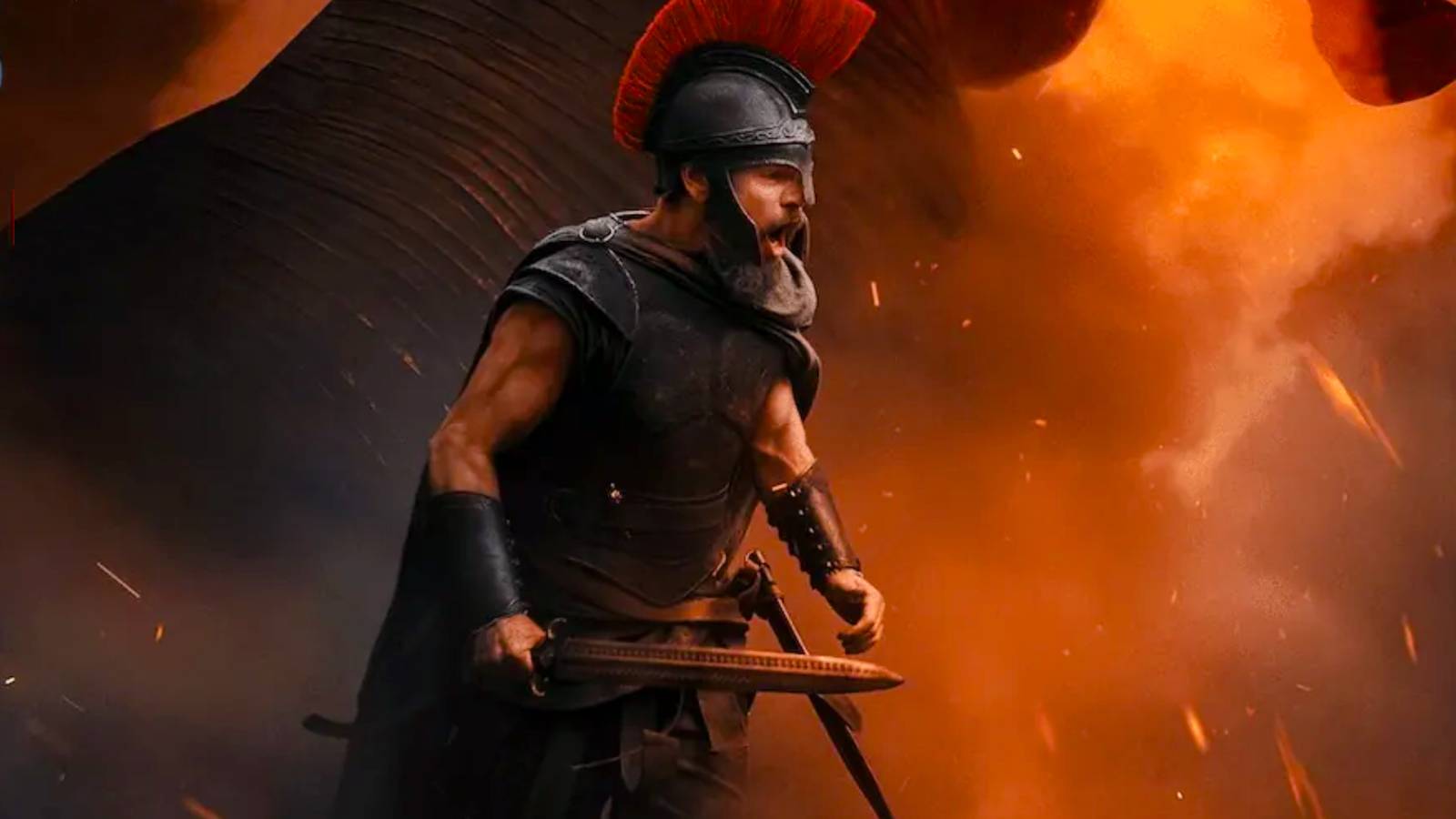
The Odyssey And Oppenheimer Have More In Common Than You Think Published Nov 22, 2026, 5:00 PM EST Since 2019, Kevin Erdmann has been one of Screen Rant's Senior Staff Writers, covering all kinds of Superhero and Star Wars media with Easter egg breakdowns, theory pieces, breaking news, and more. A huge Star Wars & MCU fan, Kevin also loves Batman (because he's Batman), but could talk for hours about why Nightwing is DC's greatest hero. With 8 years of total experience covering entertainment and pop culture, Kevin has gotten the chance to interview top creatives and talent, and has also attended major media events like Disney's D23 convention. Majoring in Cinema Studies with a minor in Comics and Cartoon Studies from the UofO, Kevin lives in Oregon with his wonderful wife, adorable dog, and sinister cat who is no doubt currently plotting his demise. It's honestly quite remarkable how well Christopher Nolan's last two movies complement each other, having more similarities and shared themes than some may think. In more ways than one, 2026's The Odyssey and Oppenheimer are an incredibly compelling and dynamic pair. Oppenheimer is a brutal historical drama about the titular scientist who ushered in the nuclear age, while The Odyssey is an adaptation of one of the oldest and most enduring epics in all of literature. Despite their differences, both films carry a deep focus on the huge consequences and lasting impact of ambitious decisions that cannot be undone. Thanks to The Odyssey's home release on DVD, Blu-ray, and 4K UHD, actor Matt Damon recently addressed the similarities between Oppenheimer and Nolan's most recent blockbuster himself, confirming the shared connection between the two films he immediately recognized when he first read The Odyssey's script. The Odyssey And Oppenheimer Explore The Same Dangerous Consequences Of Human Ambition Image via Universal/MovieStillsDB While speaking at a press conference and in interviews promoting The Odyssey's home video release, Matt Damon confirmed he recognized the connection between Nolan's two latest films early on: "I think certainly the first time I read the script, and the first time I met with Chris, I said, 'Wow, this traffics in a lot of the same themes as Oppenheimer.' Because I see it very similar in that sense that Oppenheimer brings to life the specter of ending the world, and then lives with that." J. Robert Oppenheimer's immense ambition is largely what made the atomic bomb a reality. His success changes history, and it was widely viewed as a massive achievement, though Oppenheimer himself is left facing the horrifying truth of what he and his fellow scientists have unleashed, having given the whole of civilization the power to one day destroy itself. By the film's ending, Oppenheimer's final words to Albert Einstein bring the entire story to a dark close with the legitimate fear of a devastating end for all of humanity: "When I came to you with those calculations, we thought we might start a chain reaction that would destroy the entire world...I believe we did." Remarkably, The Odyssey approaches that same idea through the classic Homer epic. Matt Damon's Odysseus is celebrated for his intelligence and military cunning. However, Odysseus comes to recognize that his choices and ambitions during the Trojan War similarly carry huge consequences for civilization going forward, having created the largest violation of Zeus' Law the world had ever seen with the mass deception that was the Trojan Horse.Continuing in the interview, Damon highlights the key comparision to be made with The Odyssey's central original sin: "And in our story, this breaking of Zeus's Law and this trick that he plays, that's been celebrated for 3000 years, is the thing that he knows before anybody else is going to cause the downfall of civilization." Keeping that in mind, it's easy to see the connection with Oppenheimer when you think back to Odysseus recounting the Trojan War to Penelope at the end of The Odyssey: "We violated all that's ever sacred between people. It turned a fight into a hunt. To burn the walls of Troy was to burn the world entire. Including his home. What if he knew, that very night, as he walked through fires, anarchy, and pain - and in a daze of sweaty celebrations that follow - what if he knew exactly what he'd done?" Both protagonists in Nolan's latest movies must live with the consequences of their devastating actions. Oppenheimer created a weapon whose mass-destructive potential is impossible to ignore, while the consequences of Odysseus' Trojan Horse send civilization spiraling into a new dark age with the breaking of Zeus' Law. The Odyssey And Oppenheimer Both Feel Surprisingly Relevant To The Modern World Without a doubt, Christopher Nolan's interest and core focus in both these stories comes from how their historical and mythological settings clearly speak to contemporary anxieties in the modern era, and Damon went on to address just how poignant and relevant their shared themes truly are: "I think there are a lot of those themes that resonate with the world that we're living in today, and this new specter of technology that we're all coming to terms with, which is one of the reasons the story felt actually very current to me." In an age where artificial intelligence and other rapidly advancing technologies are creating hard-to-predict futures and consequences, Nolan highlighting such stark examples of high ambition leading to devastating societal consequences is very hard to ignore. Progress without moral responsibility can lead to mass catastrophe in the aftermath. Both men become haunted by their inventions that secured victory but carried unimaginable long-term costs, highlighting humanity's immense potential for its own self-demise. It's quite grim, though the hope is that highlighting the shared themes found in both The Odyssey and Oppenheimer may just motivate us to actually learn from the past and build better futures. Here's hoping.
How Christopher Nolan's The Odyssey Connects To Oppenheimer
Full Article
Original Source
Read the full article at Screenrant →KhanList aggregates and links to publicly available news content. We do not host full articles from third-party sources. Always verify important information with original sources.