
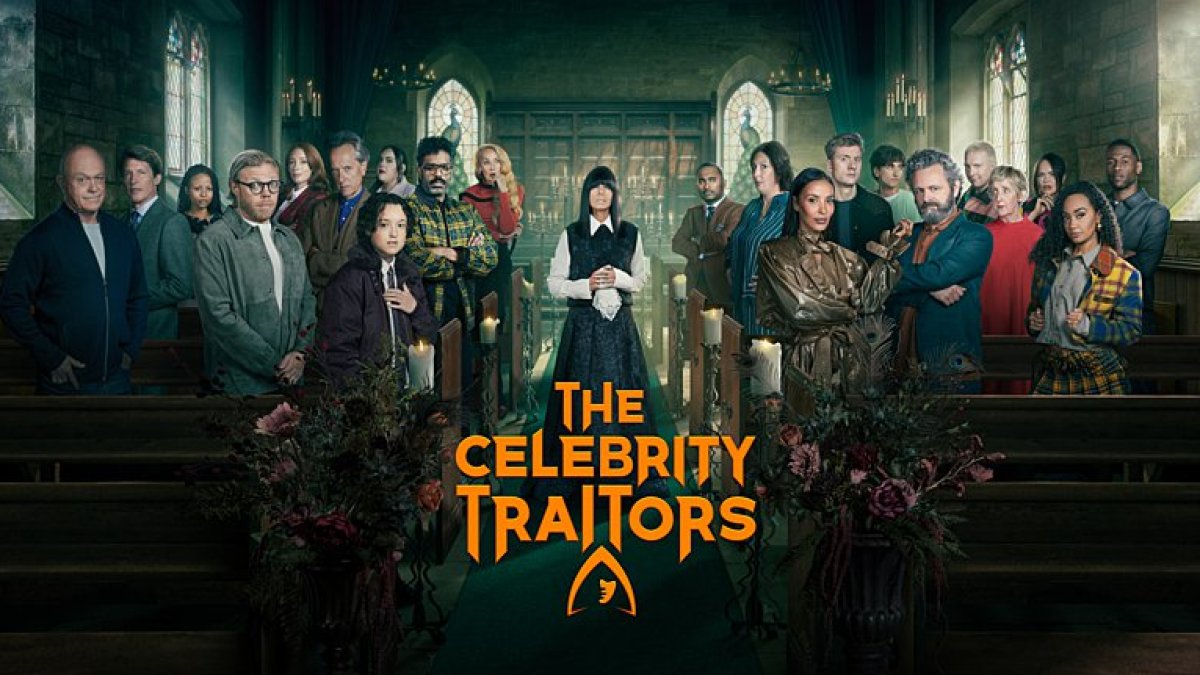
The licence fee could be axed and replaced by an £11-a-month internet levy – and viewers invited to become “BBC members” – under radical proposals to reform the corporation being considered by the Government. A charge added to broadband bills, which would be nearly £50 cheaper than the current £180 licence fee, is the long-term solution for funding the BBC drawn up by the Social Market Foundation (SMF), a cross-party think-tank which is influential with ministers. The proposals will be among the options considered by ministers as part of the Government’s ongoing Charter review into the future of the BBC. Shorts As well as an overhaul of funding, the SMF said the BBC should become a John Lewis-style mutual society. Under the proposals, BBC “members” would get the opportunity to join a special council which would hold corporation bosses accountable for their decisions. The licence fee is becoming increasingly unsustainable, with 3.7m households claiming not to need one because they don’t watch live TV. Half a million households stopped paying last year alone, forcing the BBC to find £500m in cuts. The report, which is understood to have been discussed with advisers to Culture Secretary Lisa Nandy, warns that the BBC would have to axe Celebrity Traitors and Sir David Attenborough’s Planet Earth if the corporation’s public funding is slashed. ‘Home Internet Levy’ fairest solution A “home internet levy” was the fairest method of funding the BBC and the one most likely to command public consent, the report, commissioned by campaign organisation 38 Degrees, found. This was because most households now have home internet access (95 per cent), paying an average of £31 a month. “Internet in the home is increasingly the way that people receive video content, and video content drives a substantial share of internet usage,” the report said. A BBC internet levy would cost £11 per month, which is an average increase of 35 per cent on the current cost of internet bills. That would work out to £4 a month cheaper than the current licence fee, which costs £15 a month for those who pay it. Poorer households could also pay less than those signed up to high-speed broadband contracts, the report said. Internet providers would be compensated for the cost of collecting the charge. The other proposals for BBC future The report, compiled using policy experts, also looked at other funding solutions. This included keeping the licence fee, but adding a smaller “news and culture levy” of £2.30 onto internet bills. Another proposal was for a £12 a month “household levy” – an idea favoured with the BBC. But the SMF said this “could just look like expanding the licence fee to all households without concessions, irrespective of media consumption”. Meanwhile, putting the cost of the licence fee onto subscriptions such as Netflix and Disney would add £6.25 a month to each, the report said. However, this would equate to a 75 per cent rise in streaming subscription charges, meaning viewers could cancel packages and the BBC would have less money than anticipated, the report concluded. Make BBC a ‘mutual’ society The SMF also proposed radical changes to make the BBC more accountable to the public by becoming a “mutual-style membership” organisation. The idea has previously been backed by Nandy. “Making British citizens members of the BBC would help to increase people’s sense of ownership over the organisation, amplify households’ voices in its governance, and add to the institutional barriers shielding the BBC from government interference,” the report said. Members would be chosen by lottery to take part in a member council, where they would serve terms of up to three years and be paid for their time. BBC director-general Matt Brittin would be accountable to a BBC ‘members council’ under a mutualisation plan (Photo: Zeynep Demir/Getty) They would “hold the Board of the BBC to account, ensuring that the organisation is meeting its duties to the public”. However, BBC members would not enjoy the same rights as John Lewis staff, who jointly own the whole business and share in its profits. Under the proposals, the Council would also have no control over editorial decisions, hiring talent or decisions on programming. Match of the Day axe fear An Opinium poll of 2,050 people commissioned as part of the report found viewers were most concerned that Strictly Come Dancing, The Traitors and Match of the Day could be axed if the BBC was “defunded”. Reform UK has said it would end the licence fee if elected to government. Veronica Hawking, Campaigns Director at 38 Degrees, said the report shows “how unthinkable it would be to the British public if the BBC was allowed to be decimated, as some politicians want”. “The public tell us they want an independent BBC, protected by sustainable public funding. It’s vital the Government pay attention to the warnings in this report and ensure, in this year of the Charter review, that does not happen.” Romesh Ranganathan asked ‘what has the BBC ever done for me?’ in an all-star video promoting the licence fee (BBC/Justin Downing) The report found that up to 63 per cent of all content watched on the BBC would disappear if licence fee funding was withdrawn. Much of what’s left could go behind a paywall or to another streaming service. The SMF estimated that 40 per cent of the BBC’s £411m drama budget would go if public funding was ended, whilst the £64m Arts & Music budget, used to support the BBC orchestras, back new music and stage the Proms, could dwindle to just £3m. Jamie Gollings, Deputy Research Director at the Social Market Foundation and author of the report, said this would mean “thousands of jobs lost, and billions in GDP forsaken from the creative sector, a true British strength”.
How BBC licence fee could be scrapped for a new £11 monthly internet charge
Full Article
Original Source
Read the full article at Inews →KhanList aggregates and links to publicly available news content. We do not host full articles from third-party sources. Always verify important information with original sources.