
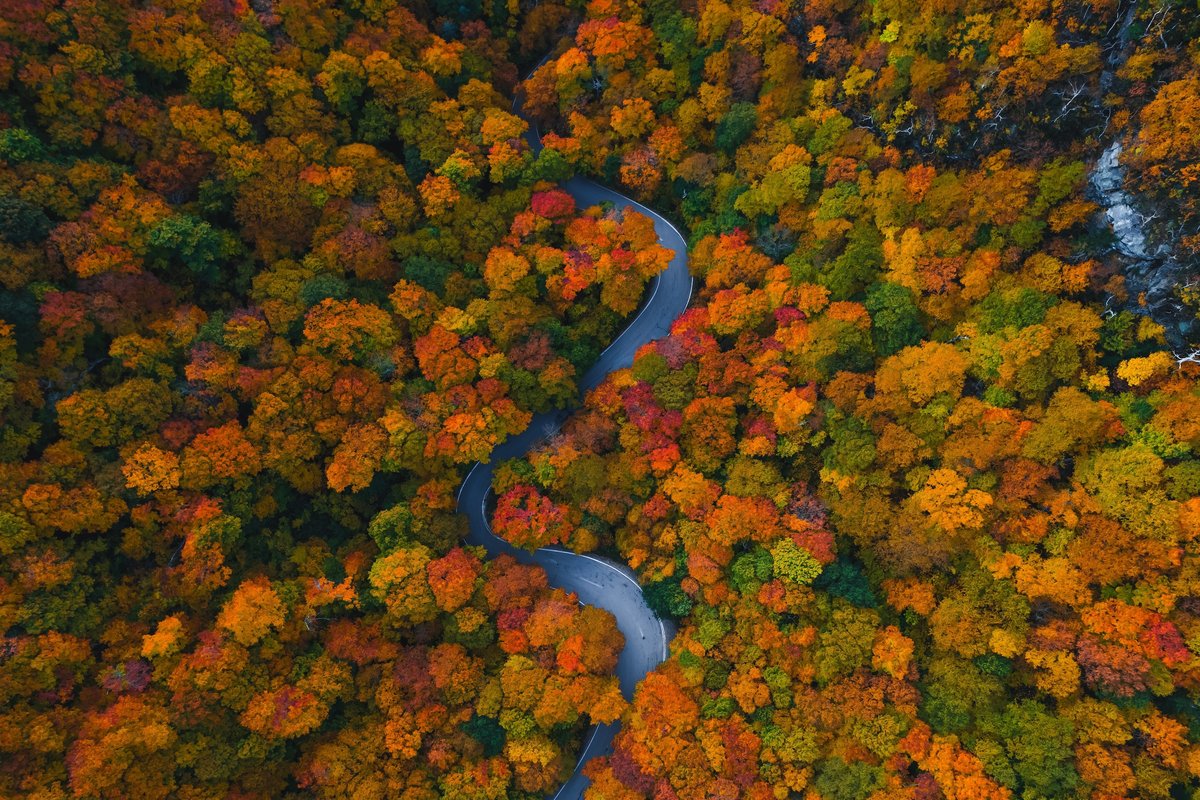
October 14, 20263 min read Add Us On GoogleAdd SciAmIt’s leaf-peeping season. Has this year’s extreme weather hurt fall foliage?Leaf-peeping season is ramping up—here’s what to expectA road curves through a forest in Vermont. AndTheyTravel/ShutterstockLeaf-peeping season is swinging into high gear. Yet after months of record-shattering extreme heat, wildfires and perhaps the strongest El Niño in living memory, will fall foliage also fall victim to the weather?The good news, experts say, is leaves always change color in some way because of seasonal shifts in sunlight. But extreme weather conditions, such as droughts, heavy rainfall or heat, can affect the timeline of the color change—and scientists are still trying to understand exactly how and why.“Day length is the primary driver of leaf change; that doesn’t change year to year,” says Andy Finton, a conservation ecologist at the Nature Conservancy in Massachusetts. “There’s always going to be fall color. It’s just going to vary depending on climate trends and weather conditions.”On supporting science journalismIf you're enjoying this article, consider supporting our award-winning journalism by subscribing. By purchasing a subscription you are helping to ensure the future of impactful stories about the discoveries and ideas shaping our world today.When summer turns to fall, trees get less sunlight, and they slowly stop photosynthesizing to conserve water and nutrients for the winter. At the same time, many trees suck up chlorophyll from their leaves, revealing yellow shades. (Chlorophyll creates the green pigment in leaves and holds lots of valuable nutrients.) Some trees, such as maples, also produce new, red pigments called anthocyanins in the fall that protect them as they’re absorbing nutrients.This whole process is designed to conserve as much chlorophyll as possible, says Christy Rollinson, a forest ecologist at the Morton Arboretum in Illinois. “Green is really expensive—not just in my wallet but in the tree’s wallet as well,” she says. “All of these different colors are related to the tree trying to protect the green.”As the climate warms, it can cause trees to extend their growing season, and warm evenings don’t trap fall colors in the leaves as well as colder ones, meaning later and less vibrant changes to foliage. Extreme weather events, such as drought or heavy rainfall, also stress trees and can trigger them to rapidly protect themselves by more rapidly pulling in the chlorophyll from their leaves, dulling fall colors.Just as leaves that fall from different trees have distinct shapes and hues of crimson or gold, tree species vary in how susceptible they are to weather. Sugar maples, a “superstar” of New England leaf peeping, are extremely sensitive to temperature and precipitation, Finton says. Oak trees, on the other hand, are more tolerant. But there’s a lot that scientists still don’t understand about how different trees are affected.A question Rollinson is curious about is how much of the changing of trees’ leaves is related to temperature versus sunlight—and what fall foliage might reveal about the overall health of a given tree and its ecosystem.The effect of wildfires on foliage are also little understood, says William Keeton, a forest ecologist at the University of Vermont. Early research suggests that smoke from these disasters can blow onto trees across the country and coat leaves, blocking sunlight and interfering with photosynthesis.This year the Midwest has seen a vast variety of weather conditions, from extreme heat to massive tornadoes to heavy rainfall, so it’s difficult to know how the trees there will react, Rollinson says.“Normally I’m able to make some general statements about the health of trees going into the fall, but I think there’s a huge variation because each tree will respond to those stressors a little bit differently,” she says.In New England, meanwhile, the summer saw extreme heat and some drought. But because, so far, this fall has been “cooler, crisper and clearer,” Finton says, the leaves are coming in right on time, and he expects a relatively typical foliage season.Most of the northern U.S. is seeing peak foliage colors this week. The mid-Atlantic and Midwest regions can expect the best leaf peeping in the second half of October.Subscribe to Support Independent JournalismGreat science journalism requires human expertise, time, effort and creativity. And it costs money. That’s why I and the journalists here at Scientific American hope you’ll join our community.When you subscribe, you are supporting staff and freelance journalists who are passionate about telling science stories that are true, important and compelling. Our editors and reporters are often experts in their fields, which means they understand the nuances of big discoveries and can untangle the breakthroughs from the hype. With a subscription, you are also supporting rigorous fact-checking to ensure the words we publish are precise and accurate. And you’re supporting original illustrations, graphics and photos that bring you closer to an advanced laboratory, an ice sheet in Antarctica or a space mission in orbit. You’re helping us craft other types of high-quality journalism as well: Our newsletters are carefully written, edited and curated by staffers you have or will come to know and love. Our Science Quickly podcast is based on original reporting, collaboration with editors and scientists and exacting production.Subscriptions keep this engine running so we can continue to deliver thoughtful, rigorous and independent science journalism to you. In an era of viral misinformation, this work is crucial. If you value what we do, I hope you’ll consider joining us as a subscriber
How a year of extreme weather and a ‘Super El Niño’ will affect fall foliage
Full Article
Original Source
Read the full article at Scientificamerican →KhanList aggregates and links to publicly available news content. We do not host full articles from third-party sources. Always verify important information with original sources.