
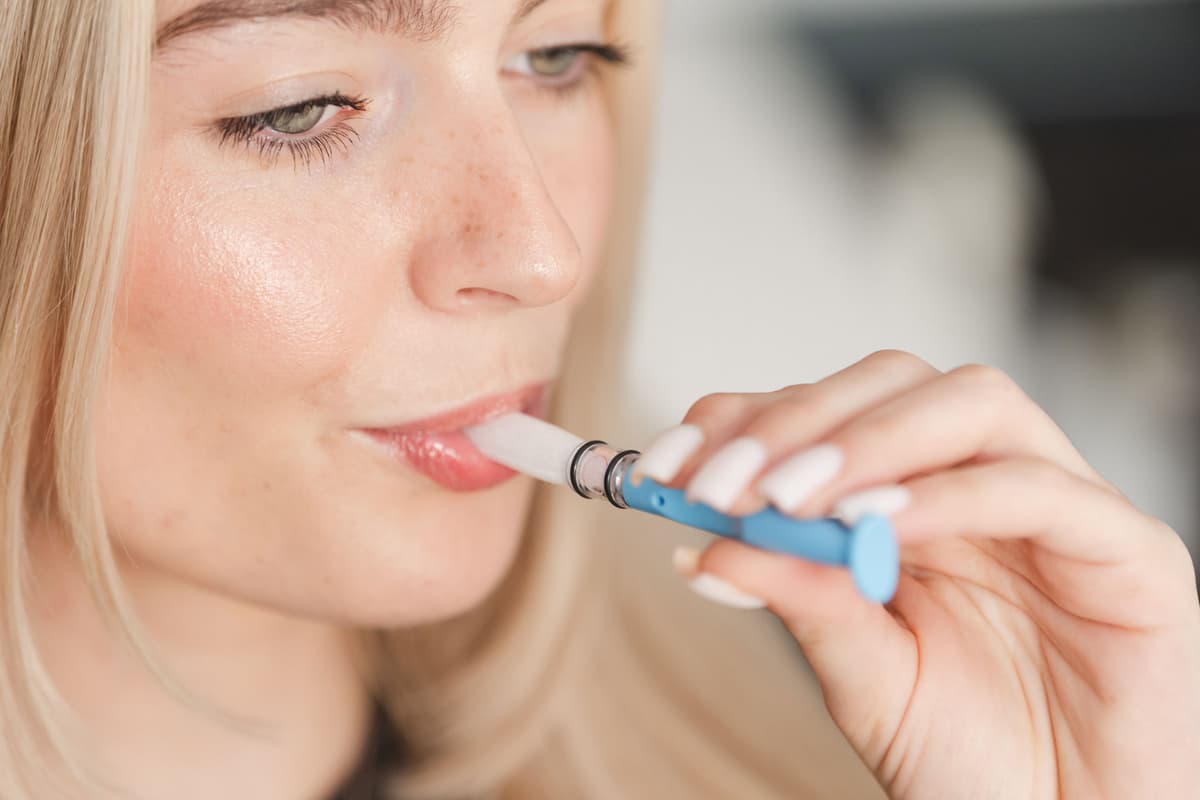
We’ve become increasingly familiar with the idea of investigating the digestive system for signs of ill health, but the gut isn’t the only bacterial ecosystem we should be paying attention to. Many people don’t realise that digestion actually begins in the mouth. Hundreds of species of bacteria live in our mouths, and fostering a diverse microbial community is just as important there as it is in the gut.Healthy teeth and gums result in much more than a Hollywood-style smile. Research has linked poor oral health with a range of conditions, including cardiovascular disease and dementia, while scientists are increasingly investigating a possible connection with Alzheimer’s. The problem is that oral health issues can often go unnoticed.It’s the premise behind a new saliva-based screening service, the Oral Genome Test, being offered by Fulham-based Coyne Medical. It says it is the first GP clinic in Britain to incorporate oral microbiome screening into its health assessments. Curious to see what it might reveal, I went along to try it for myself.The link between oral bacteria and Alzheimer’s diseaseThe technology analyses six key markers associated with oral health, bacterial activity and inflammation, including Porphyromonas gingivalis (a bacterium associated with periodontal disease).This is where it gets interesting. Researchers have reported finding this bacterium in brain tissue from some people with Alzheimer’s. A 2022 systematic review found evidence of an association between oral bacteria and Alzheimer’s disease, although the findings varied depending on the bacteria and the biological sample being studied. A 2026 scoping review of 14 studies concluded that the evidence points towards an association between exposure to periodontal bacteria and increased Alzheimer’s risk. A 2022 review found evidence of an association between oral bacteria and Alzheimer’s disease The test itself takes no more than two minutes to do. Dr Lucy Hooper handed me a small sponge, which I placed in my mouth to soak up saliva. She then applied my sample to a test cartridge, which is analysed using AI-assisted computer vision software.The results were ready in about 10 minutes. Coincidentally, I happened to have a toothache on the day I took the test, and the results reflected this. Five of the six markers came back within the healthy range, while my levels of P. gingivalis were slightly elevated. Before alarm bells could start ringing, Hooper reassured me that my results were good overall, and that the raised level was not, in itself, cause for concern. Rather, it was a useful indication that something might be going on in my mouth that was worth paying attention to, particularly given the toothache I was experiencing. Oral GenomeThis was a good reminder of the distinction between spotting a potential sign of poor oral health and diagnosing a wider disease. While P. gingivalis has been the subject of research into its possible association with Alzheimer’s, a raised level does not mean that someone has, or will develop, the condition — it’s a clue, not a crystal ball. What happens next? “Taken together, the six markers provide a broader picture of bacterial balance, inflammation, immune function and the mouth’s ability to protect itself. This can add useful context when considered alongside the patient’s medical history, examination and other test results,” explains Hooper. It’s certainly a strong incentive to keep flossing.Coyne Medical Oral Genome test is available from £150, plus the cost of a standard private GP consultation
How a 10-minute oral health test could uncover a hidden risk of Alzheimer’s
Full Article
Original Source
Read the full article at Standard →KhanList aggregates and links to publicly available news content. We do not host full articles from third-party sources. Always verify important information with original sources.