
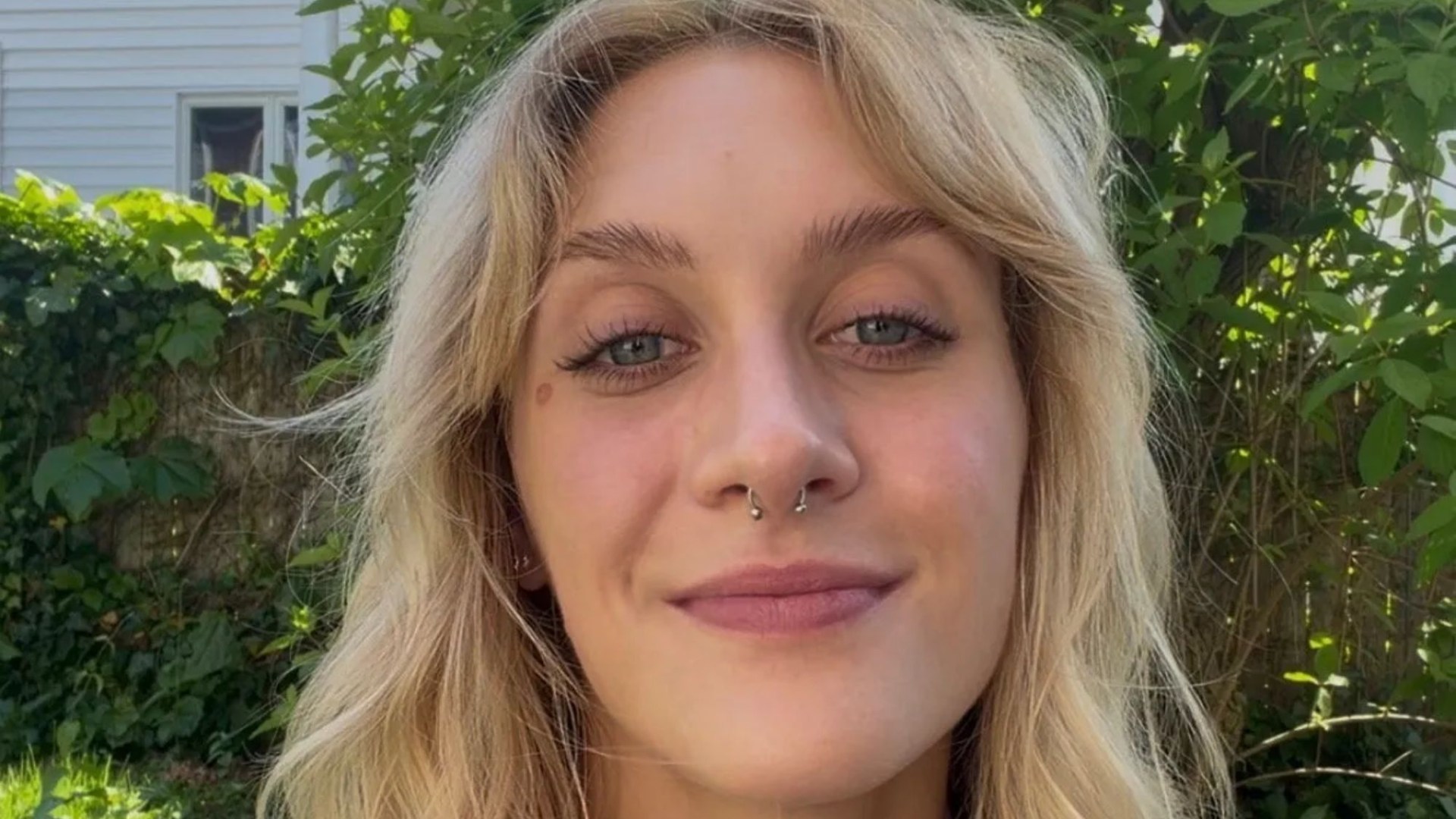
FOR three years, Parker Jennings would wake up feeling anxious and ashamed after she had spent the previous evening binge-drinking. The 26-year-old tried everything from a 12-step programme to apps to quit, but nothing could break the cycle – until her fiancé Nick told her the nightly shots were unsustainable and she knew she had to take drastic action. Parker Jennings was prescribed Naltrexone to help with her binge-drinking Credit: SWNS Parker would drink up to ten beverages a night, and would sometimes black out Credit: SWNS Parker contacted her doctor in desperation and was prescribed naltrexone, a pill that she says has curbed her booze “noise” by reducing the pleasure alcohol gives the brain. It cost her just $1 a pill – or 74p a day. And while it’s worked for Parker, like all prescription medication, it can cause side effects and should only be taken if prescribed by a doctor. “I was sick of the cycle of binge drinking, then not drinking, then going back to binge drinking,” she says. “I would have an average of five drinks per night; it cost me around $150 a week. “I felt like I’d tried everything. I didn’t know what was wrong with my brain, and I was broken. I knew I couldn’t do it by myself. “I finally felt like I had something outside of myself that was helping to control my brain. “I no longer have the desire to black out and get drunk. I can enjoy one glass of wine and then be done.” Parker had not been a big drinker at university but started indulging more often when she moved to New York City after graduation in May 2022 to work as an actor. Parker would lie to her fiancé (pictured above) about how much she had been drinking Credit: Supplied She says she felt ashamed by how much she was drinking Credit: SWNS “There are bars everywhere, and I would want to try a new bar every night,” she says. “Every meet-up with friends would revolve around alcohol.” Parker would drink an average of five drinks every night, and her drink of choice would be either tequila or vodka, mixed with soda. On some nights, she would have up to 10 drinks, but she had built up a tolerance, so she was able to function at her acting jobs, with just a slight hangover. Many of Parker’s friends in New York were drinking a similar amount of alcohol at the time, meaning her drinking habits felt normal to her. Parker’s drinking led to her feeling constantly anxious and exhausted, and she was unable to recognise herself in the mirror as it was causing her face to go puffy. “Because of how I looked, I didn’t want to film self-tapes for my acting, and I was turning down job opportunities,” she says. On some occasions, Parker’s drinking would cause her to black out, which panicked her – although thankfully she never ended up in any risky situations. Following these scary incidents, she would try to go cold turkey and cut out alcohol completely. But within a few weeks of sobriety, she would find herself slipping back into old habits and drinking again. After a year living in New York, Parker started going to a 12-step programme, but although it acted as a “good buffer” for her, she wasn’t able to break her “on again, off again” cycle. “I felt lost and anxious going into the meetings”, she says. “Although I was the one primarily concerned about my behaviour, I didn’t feel like the term ‘alcoholic‘ fit me. In November 2024, Parker moved to Boston, Massachusetts, and met her fiancé, who became concerned about how her drinking was affecting her. “My behaviour was stressing him out, and he was worried about my wellbeing,” she says. “I would lie to him about how much I’d been drinking, which made me feel horrible and wasn’t fair on him.” Parker says her behaviour was making her fiancé stressed and worried Credit: Supplied Parker previously tried a 12-step programme and tracking her drinking through the Sunnyside app Credit: SWNS Keen to make a change, Parker downloaded the Sunnyside app, which helps users to reduce drinking by allowing them to track how many drinks they’ve had per week. But while it brought home the reality of her drinking, it also made her feel ashamed to see her total. “I’d be really concerned when I saw that I’d drunk ten drinks in one night,” she says. “At my worst, I was having up to 35 drinks per week. “Seeing the totals gave me so much anxiety, which could then cause me to drink more. “I was crumpling into myself.” In June 2025, Nick sat Parker down and told her that her behaviour was not sustainable. “I completely agreed,” she says. “I felt like I was failing myself and I was at rock bottom.” Parker says socialising without alcohol took a while to get used to Credit: SWNS She believes Naltrexone is a good option for people who don’t want to quit alcohol completely Credit: SWNS Following the intervention, Parker decided to contact her doctor about Naltrexone, after seeing an advert for it on Instagram. The one-tablet-a-day medication blocks opioid receptors in the brain, reducing cravings for drugs, alcohol and even food. It means drinkers no longer get a ‘reward’ response, which helps to break the cycle of dependence. The drug is only available on prescription in the UK, and if you obtain it privately instead of on the NHS, prices start at around £120 for a 28-day supply. This is about £4.28 per day – less than a small glass of wine. Parker began taking the pill once a day and noticed that the “noises” in her head telling her to drink stopped almost immediately, hardly thinking about alcohol at all. “It was so relieving to not have to be fighting myself anymore,” she says. Despite being a little tired at first, she did not experience any side effects from the medication and had no symptoms of alcohol withdrawal. But like all prescription medication, the drug can cause headaches, nausea, dizziness, decreased appetite, feeling nervous or restless, and tummy discomfort. After starting the medication, Parker noticed her anxiety calmed down, her skin became less puffy, and she was able to get to sleep much more easily. “Going out in social situations without alcohol took a while to get used to”, she said. “I was anxious at first about not having alcohol to lean on, and this is something I’m still working on.” Parker is now able to go on date nights with her boyfriend and have one cocktail without feeling the need to have another. Some weeks she won’t drink at all, and on others she will have one or two drinks at a party, something she didn’t think would be possible a year ago. She says: “Drinking is now an active choice I make, that I know won’t lead to me spiralling out of control. “What I like about naltrexone is that it doesn’t mean you have to be completely sober. “It’s an option for people who struggle with alcohol cravings, but don’t want to quit alcohol completely.” Parker is hoping to stay on naltrexone long-term and says that although she doesn’t think she would go back to her old habits if she stopped, she is “not keen to test that theory”. “It’s improved my health and wellbeing in so many ways. “My skin got better, my sleep improved, I have more money in my budget. “Everything just generally felt better.” ‘Naltrexone gives me the space for my fiancée to be the most important part of my life, instead of a substance that was taking up my brain, my time and my money’, she said. What to do if you think are an alcoholic IF you’re struggling with alcohol addiction, the most important thing is to recognise the problem and seek support – You don’t have to face it alone. Seek Professional Help GP or Doctor – A medical professional can assess your situation and provide advice on treatment options. Therapists or Counsellors – Talking to an addiction specialist can help address underlying causes and develop coping strategies. Rehab or Detox Programmes – If physical dependence is severe, medically supervised detox may be necessary. Consider Support Groups Alcoholics Anonymous (AA) – A well-known 12-step programme that provides peer support. SMART Recovery – A science-based alternative to AA, focusing on self-empowerment. Local Support Groups – Many communities have groups tailored to different needs.
How 74p ‘Ozempic for booze’ pill stopped me binge-drinking & blacking out… without having to quit completely
Full Article
Original Source
Read the full article at Thesun →KhanList aggregates and links to publicly available news content. We do not host full articles from third-party sources. Always verify important information with original sources.