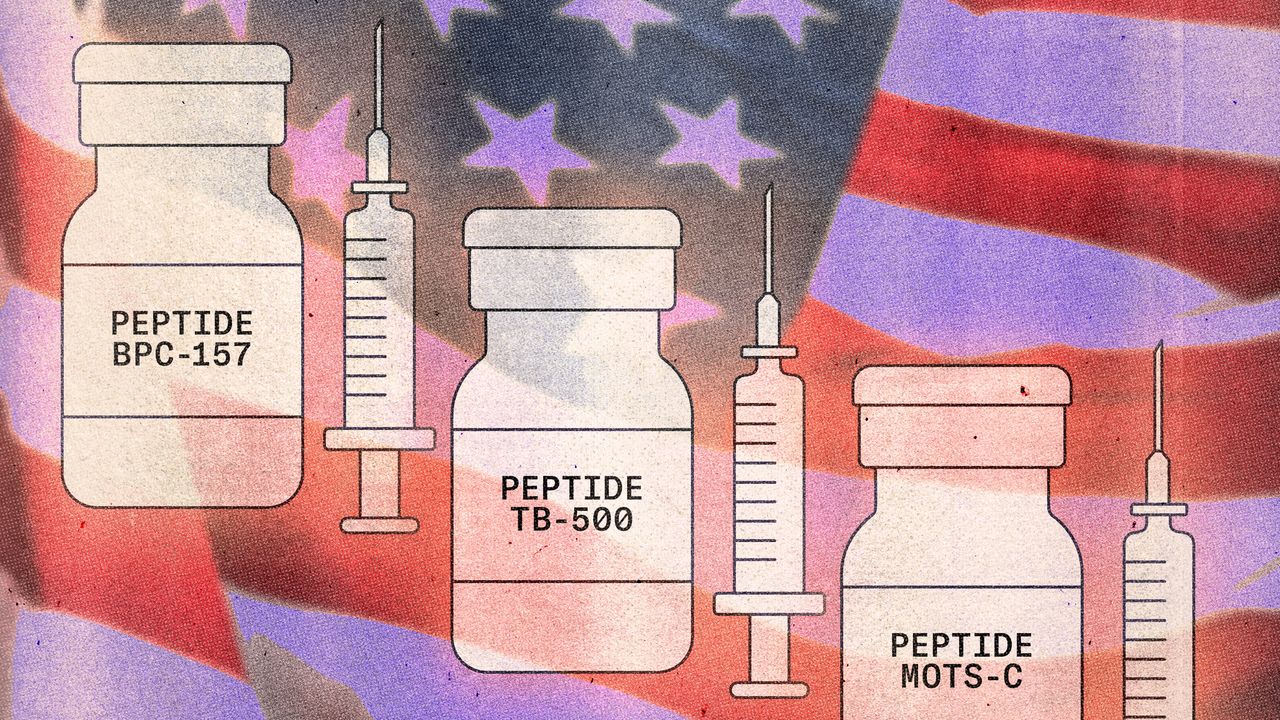
Hot peptide summer is nigh.In a two day-long marathon hearing that pitted career regulatory representatives against figures of the peptide industry, the Food and Drug Administration voted on July 23 and 24th to recommend the approval of 6 peptides that had been previously banned for human use under the Biden Administration.By the end of the day Friday, the FDA’s panel had recommended the approval of six of the seven peptides up for debate. That list included the buzzy “Wolverine Stack” composed of BPC-157 and TB-500, peptides that have been used by biohackers and other pioneers of the gray market for healing skin, ligaments muscle and bone, as well as KPV, said to treat inflammatory skin conditions, MOTS-c, used to treat metabolic conditions, Emideltide, a sleep assistant, and Semax, a supposed form of migraine relief. Only Epitalon, a peptide that has been employed to alleviate insomnia, was rejected by the panel.These recommendations could open the floodgates for a potential multibillion dollar peptide industry in the US, where peptides are already a buzzword among wellness influencers, Hollywood, and the manosphere. Hims, a telehealth company that sells direct-to-consumer finasteride and GLP-1s, has signaled that it will move to sell the controversial substances should they be approved after acquiring a peptide manufacturing facility in 2025.The hearing spawned controversy within the FDA well before it began. This past spring, multiple officials inside the agency expressed concern that then FDA head Marty Zakary was stacking the hearing with panelists who had direct connections to the peptide industry, according to reporting from the Washington Post published last week. As this was happening, career FDA scientists quietly argued in posts shared on the FDA website that there had not yet been enough clinical human trials to confirm that the peptides in question are both safe and effective for pharmacies to compound and distribute. Then, in the days leading up to the hearing, controversy surrounding these new industry-connected panelists prompted the FDA to again add 8 new experts to the hearing, bringing the total number of voting individuals to 14.This tension between established regulatory medicine and the multibillion-dollar wellness industry was on full display throughout the hearings. In the first vote, six peptide suppliers joined with a pharmaceutical executive and a compounding pharmacist to approve the peptide BPC-157 narrowly with an 8-6 vote.Peptides are chains of amino acids, the building blocks of protein, and serve as messengers to the body's cells. They play major roles in hormonal regulation, skin health, and your immune system. Already regulated and FDA-approved peptides include Insulin and GLP-1s but the current craze surrounding the medicine extends well beyond these more well-researched examples. BPC-157, for instance, has not yet been the subject of intensive human clinical trials, despite its popularity among tech industry grindsetters, longevity bros, and pilates girlies alike. “This is not the traditional way that the FDA goes about doing stuff, they typically go through phase one trials, phase two trials, phase three trials, and that takes years,” says Dr. Katie Rizzone, a sports medicine specialist at the University of Rochester. “I just don't see the evidence at this point.”At least one representative from the telehealth industry agreed that there was scant data to support the claims around BPC-157. “I’m not going to tell you that the evidence for BPC-157 is strong,” Hims chief medical officer Dr. Anant Vinjamoori told the panel during his testimony. “It isn’t, and I won’t overclaim it.” Nevertheless, Hims stock rose 13% after the first day of the panel.The lack of evidence hasn't stopped Health and Human Services Secretary Robert F. Kennedy Jr. from moving to expedite the reclassification of peptides following an appearance on The Joe Rogan Experience podcast in February. During the taping, RFK Jr., who has frequently questioned the efficacy of well-researched medical treatments such as the Flu and COVID-19 vaccines, argued that the Biden administration’s ban was overreaching and illegal because there was no indication that peptides were unsafe to use. He also told Rogan he was a “big fan” of peptides.He’s not alone. Peptides are all over the internet, where they are promoted for everything from skin and hair health (GHK-Cu) to wound healing (BPC-157) to skin tanning (Melanotan II). Their use has transcended numerous demographics, a quick browse through TikTok will show you extremely online young men discussing peptides as part of their “looksmaxxing” protocol, middle aged ex-athletes swearing by their longevity benefits, and even young women promoting the use of peptides for hair and skin health. They’ve been promoted across the wellness space by everyone from Andrew Huberman and Gary Brecka to aspirational immortal Bryan Johnson, while celebrities ranging from Hailey Bieber and comedian Bert Kreischer have discussed using them.The majority of these peptides currently exist in a gray zone where they are legal to purchase and own but are not approved for human use. They can be ordered online in the United States, where they’re labeled as ‘for laboratory use,’ or even sourced directly from manufacturers overseas via massive Telegram chats. In New York, peptides can even reportedly be purchased at select bodegas. Together this phenomenon is collectively referred to as the “grey market.”This grey market is not subject to the quality control regulations that govern the pharmaceutical industry, and testing conducted on a range of peptides including MOTS-c, BPC-157, TB-500, and CJC-1295 by The New Yorker in April showed that many were impure or contained less than the advertised dose. One tested example of the peptide BPC-157 even contained measurable amounts of lead. Some panelists, many with connections to the peptide industry, argue that the approval of these peptides will help to shut down or limit the grey market, as did RFK Jr. during his appearance on Rogan’s podcast.“Thoughtful regulation protects patients far better than driving demand into an unregulated marketplace.” Dr. Carrie Carda, national medical director for 10X health, a company that sells peptides, says. “I believe many patients will choose physician-supervised care over purchasing products online.”However, multiple panelists pointed out that there is no evidence or research that suggests that the reclassification of these drugs would limit the gray market. And many grey market peptide consumers, particularly those who source their peptides directly from compounding pharmacies overseas, don’t believe the approval of these peptides will do much of anything to stem the grey market, especially because peptides purchased from overseas labs, often in China, are astronomically cheaper. “That’s like saying Amazon is putting Temu out of business.” One person who uses grey market peptides told GQ.Career scientists at the FDA have continued to argue that there's insufficient evidence to suggest that many substances are safe or effective. "I'm concerned that we're responding to a market-induced demand rather than a decision based in solid science," Dr. Elizabeth Rebello, one of the panelists, said during the first day of deliberation.Though the panel’s decision is a green flag for the peptide industry, there remain a number of regulatory steps before the peptides it approved can be taken to market for legal human consumption. The FDA will now weigh whether to accept these recommendations, a decision that has historically taken anywhere from months to years. Though the regulatory agency generally does accept the determinations of panels like these, it can and has rejected panel votes in the past.Meaning Hot Peptide Summer could very well be postponed to 2027. Mark your calendars accordingly.
Hot Peptide Summer Is Almost Here
Full Article
Original Source
Read the full article at Gq →KhanList aggregates and links to publicly available news content. We do not host full articles from third-party sources. Always verify important information with original sources.