
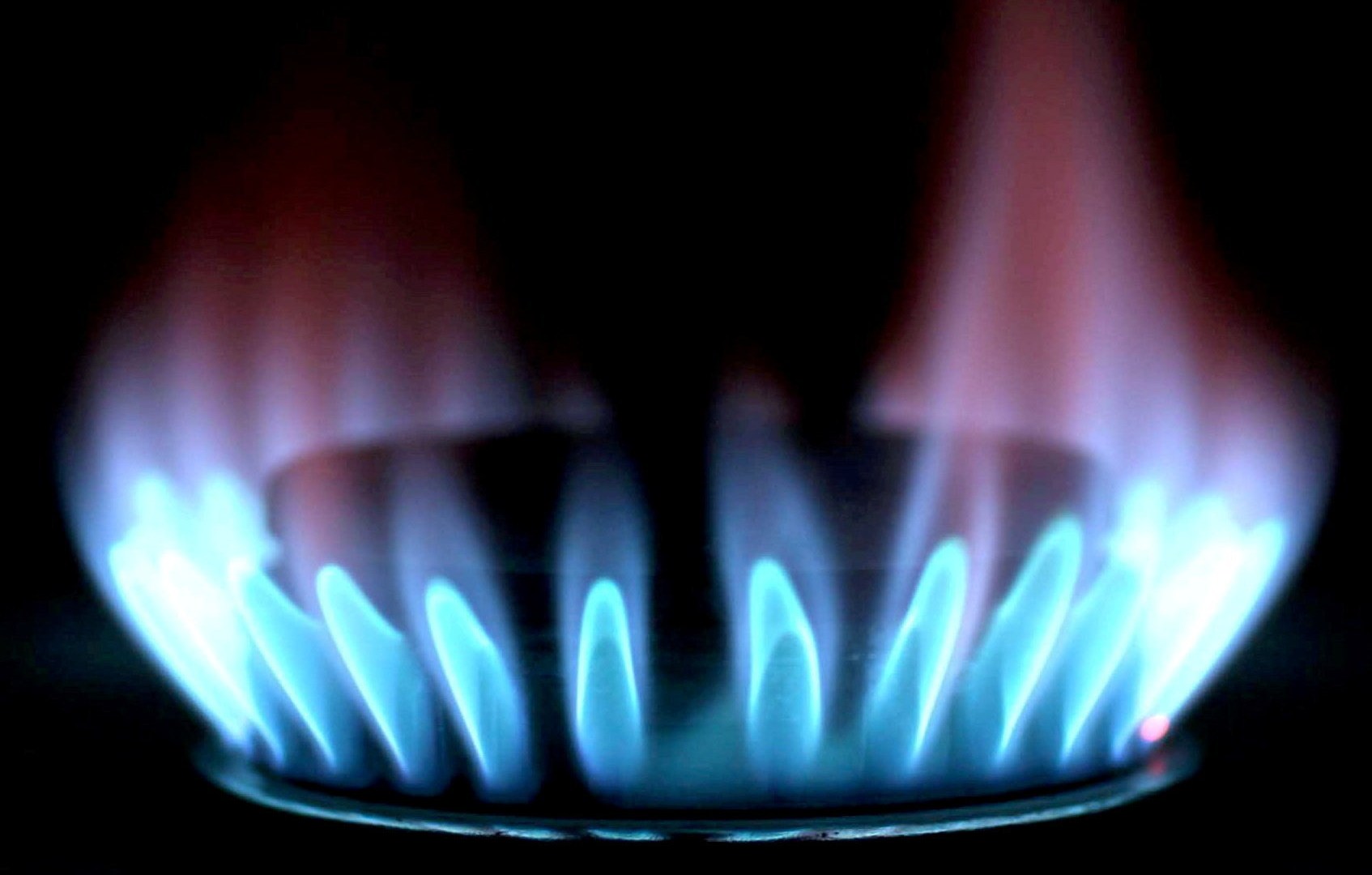
British homeowners can¿t identify key indicators of a gas safety issue ¿ including animals acting nervous or lethargic, dying house plants and excessive condensation. A study of 2,000 adult renters or homeowners found 26 per cent weren’t confident they could recognise a gas safety issue in their home. With 91 per cent admitting they would overlook condensation on windows, and even chest pains would not signal a problem for the same percentage – despite these being potential indicators of a gas-related problem. While 84 per cent wouldn¿t acknowledge having sore eyes as a possible clue. More than three quarters (77 per cent) wouldn¿t identify a gas hob flame getting weaker when the boiler switches on as a warning of an appliance-related hazard. Photo released 14/09/2026 Credit: SWNS BRITISH homeowners can’t identify key indicators of a gas safety issue – including animals acting nervous or lethargic, dying house plants and excessive condensation. A study of 2,000 adult renters or homeowners found 26 per cent weren’t confident they could recognise a gas safety issue in their home. With 91 per cent admitting they would overlook condensation on windows, and even chest pains would not signal a problem for the same percentage – despite these being potential indicators of a gas-related problem. While 84 per cent wouldn’t acknowledge having sore eyes as a possible clue. Sign up for the Money newsletter Thank you! More than three quarters (77 per cent) wouldn’t identify a gas hob flame getting weaker when the boiler switches on as a warning of an appliance-related hazard. And 75 per cent wouldn’t think a gas fire flame dropping or weakening when another gas appliance is switched on was an indicator, while 72 per cent would disregard black soot building up around household devices. Other signs, such as high energy source bills wouldn’t be pegged as a gas safety sign by 70 per cent. Peter Knowles, technical repair engineer for British Gas, which commissioned the research, said: “There are lots of less obvious warning signs of a gas safety issue in the home, and some can be easy to put down to something else. “Carbon monoxide can present unexpectedly, it is silent, and has no smell or colour, with symptoms including headaches, nausea, dizziness and breathlessness, so it’s important not to ignore changes in how you feel at home, in particular if more than one person is feeling the same. “Keeping on top of maintenance – like booking an annual boiler service and gas appliance check – is a quick and easy way to catch problems early. Most read in Money “All our engineers are Gas Safe registered, and with a nationwide network of 7,000 of them on hand to help. “Regular checks can stop small issues turning into far more serious ones, such as fires or carbon monoxide poisoning” The study found 46 per cent of those with a battery-operated carbon monoxide alarm don’t regularly replace the batteries, and 14 per cent don’t even own an alarm. In contrast, 67 per cent would rightly turn off the gas if they suspected a safety issue, and 61 per cent would open all the doors and windows. While 66 per cent would be confident about who to call if an issue arose and it wouldn’t be their first response. But overall, general home safety knowledge across the UK appears poor, as just 32 per cent are confident about testing smoke alarms and only 29 per cent can read their own energy meters. Just 18 per cent would know how to turn off their gas supply, while only 17 per cent can confidently check their carbon monoxide alarm works. General household tasks such as resetting fuse boxes, checking for damp and mould and making sure appliances are properly ventilated also feature as areas of home safety people don’t trust themselves with. The research, carried out via OnePoll.com, found knowledge around household safety and dealing with appliances such as boilers and radiators was predominantly learned from parents or family members (42 per cent), While 22 per cent have taught themselves through trial and error and 27 per cent relied on online searches. But still, 18 per cent do not know the location of their own home boiler, and the same percentage can’t find the fuse box. A further confused 17 per cent wouldn’t be able to locate any of their gas, electricity or water meters. Peter Knowles, technical repair engineer for British Gas, added: “The research highlights gaps in knowledge around home safety, if you do suspect a gas leak, get outside into fresh air, avoid using electrical switches and contact the gas emergency service for advice. “And if something about a gas appliance doesn’t look or behave as it normally would, seek professional advice.” The Gas Emergency Service can be reached on 0800 111 999. TOP 20 THINGS BRITS WOULD NOT IDENTIFY AS A GAS SAFETY WARNING SIGN 1. Dead patches of grass outside 2. Condensation on windows 3. Chest pain 4. Dying house plants 5. Animals acting nervous or confused 6. Sore eyes 7. Eye and throat irritation 8. A gas hob flame that gets weaker when the boiler switches on 9. A gas fire flame that drops or weakens when another gas appliance is switched on 10. Fatigue 11. Black soot build up around appliances 12. High gas bills 13. A gas hob flame that fluctuates or changes in strength 14. Discoloured flames on the hob 15. Nausea or vomiting 16. Recurring headaches 17. A burning smell coming from a gas appliance 18. Dizziness 19. Rotten egg smell at home 20. A quiet hissing sound Comment now
Homeowners can’t identify key indicators of a gas safety issue, study finds
Full Article
Original Source
Read the full article at Thesun →KhanList aggregates and links to publicly available news content. We do not host full articles from third-party sources. Always verify important information with original sources.