
Published Oct 21, 2026, 10:59 PM EDT Luke Diaz is a freelance military writer with experience with active duty experience in the US Navy as well as defense and industrial engineering. He is a former Naval Flight Officer who performed tactical air control on the carrier-based E-2 Hawkeye. Even as the iconic American air carrier slashes its profit forecast for the year, Southwest Airlines CEO Bob Jordan has reassured shareholders that customers will continue to book flights despite the rising cost of airfare in 2026. The source of the diminished business outlook is entirely attributed to the unpredictable yet constant rise in fuel costs cutting into the bottom line. Southwest is the third major US carrier to curtail its projection for the year, according to CNBC. Airlines around the world face similarly bleak prospects as the fallout from Russia's invasion of Ukraine and the joint US-Israeli operation against Iran has continued to induce volatility in global oil supply, pushing prices up with no relief in sight. Gas Prices On The Rise: The Cost Of Flying Climbs Higher Credit: Robin Guess | Shutterstock The carrier has felt a massive blow to its cash flow, with the airline's most recent fiscal report indicating that Southwest is paying almost $1 billion per quarter just to cover the rise in fuel costs. Southwest joins carriers like American and United Airlines, which have also had to recalculate their margins this month due to macroeconomic volatility. Southwest’s updated financial forecast outlines a steep drop in expected profitability, driven entirely by the soaring costs of jet fuel. Southwest now expects adjusted full-year earnings of $2.60 to $2.85 per share. This is a drastic drop from its July guidance of $3.25 to $4.25 per share. To protect their margins, these major carriers are aggressively raising domestic airfares, leading to double-digit price increases for holiday travelers. The strain on the aviation sector is further compounded by the market exit of low-cost competitors like Spirit Airlines, giving legacy carriers more leeway to adjust prices upward. Jordan gave this remark in the recently released third quarter report from Southwest: "Robust demand continued in the fourth quarter, and we are seeing encouraging progress across our product and loyalty initiatives. We remain confident in our ability to further strengthen earnings, improve returns, and expand margins over time." Captive Market: The Fade Out Of The Spirit Effect Credit: Kevin Hackert | Shutterstock The demise of Spirit Airlines has made it much easier for Southwest and legacy carriers like the 'Big Three' to raise airfare even under adverse market conditions without risk of losing business to rivals. As America's cheapest ultra-low-cost carrier, Spirit was famed for its mere presence at an airfield, bringing down the cost of tickets and every other airline that shared residents with it at the terminal. This market phenomenon has long been known as the 'Spirit Effect.' When the airline was liquidated, industry observers and even government officials from agencies like the Federal Aviation Administration expressed concern over the vacuum that it would leave in the commercial aviation industry. This rasies the question as to whether the enduring demand of Southwest customers in the face of higher prices is truly due to the quality of the product or simply the lack of any alternative. Many major carriers also have limited capacity growth to match rising operating costs and overhead expenses, which reduces the total number of available seats in any given market. For long-distance domestic transit, commercial aviation functions as an inelastic utility rather than a luxury service, forcing consumers to absorb fare hikes due to a lack of viable alternative transportation. All of which has combined to give air carriers the option to avoid absorbing the financial impact of fuel spikes on their bottom line and instead successfully shift that burden directly onto the public. The Hazardous Course Ahead For Affordable American Air Carriers Credit: Wangkun Jia | Shutterstock The removal of ultra-low-cost pressure has reshaped the domestic aviation landscape, effectively detaching ticket prices from product quality. When Spirit Airlines entered bankruptcy restructuring and smaller competitors like Frontier and Breeze scaled back to survive, a vital competitive floor vanished. Yet, rather than expanding oversight, recent actions by the Transportation Department signal a shift toward greater flexibility for corporate operations. Amid the instability of the global aerospace supply chain this year, Southwest completed its conversion from a low-cost carrier to a full-service, legacy-style airline. There was even speculation, as reinforced by commentary from Jordan himself, that Southwest may add a widebody jet to its fleet for the first time ever. Driven by Elliott Investment Management, a powerful activist hedge fund led by billionaire Paul Singer, Southwest has systematically dismantled the operational model that defined it for five decades. Smaller carriers like Frontier and Breeze are facing severe headwinds from elevated fuel bills and restricted access to gate infrastructure at primary airports. Rather than competing aggressively for price-sensitive passengers, these airlines are cutting routes and reducing service volume to remain financially solvent. Long-term energy forecasts indicate that jet fuel prices will remain highly elevated through 2027. For the remaining ULCCs, this prolonged fuel crisis is an existential threat. If a ULCC liquidates, a legacy carrier flying from a primary hub to a mid-tier market will face zero low-cost competition on that specific city-pair. If these budget brands exit the market, shut down completely, or retreat into tiny networks, Southwest and the legacy airlines will gain unprecedented leverage over fare prices.
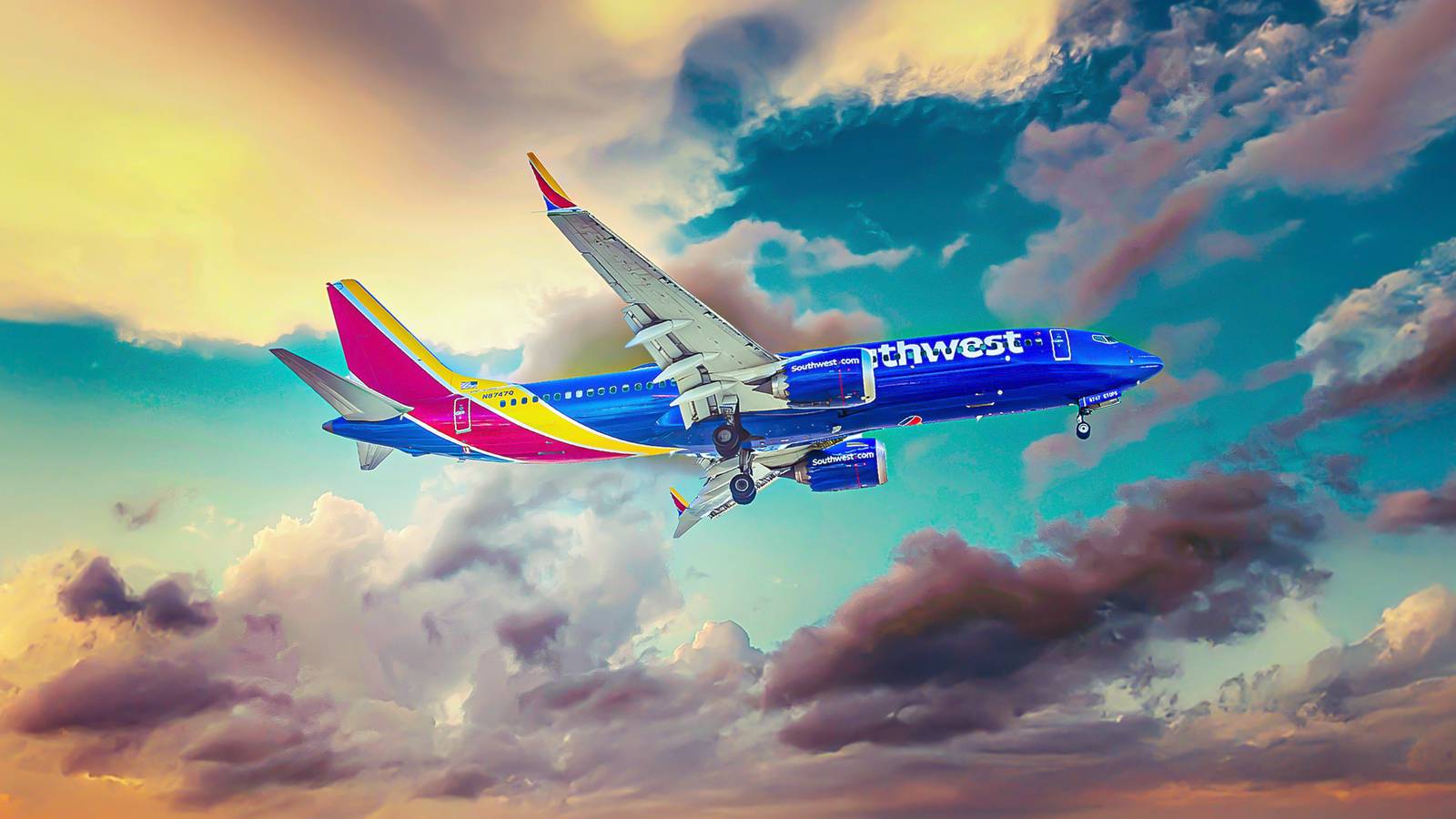
Higher Fuel Prices Force Southwest Airlines To Cut 2026 Profit Forecast
Full Article
Original Source
Read the full article at Simpleflying →KhanList aggregates and links to publicly available news content. We do not host full articles from third-party sources. Always verify important information with original sources.