
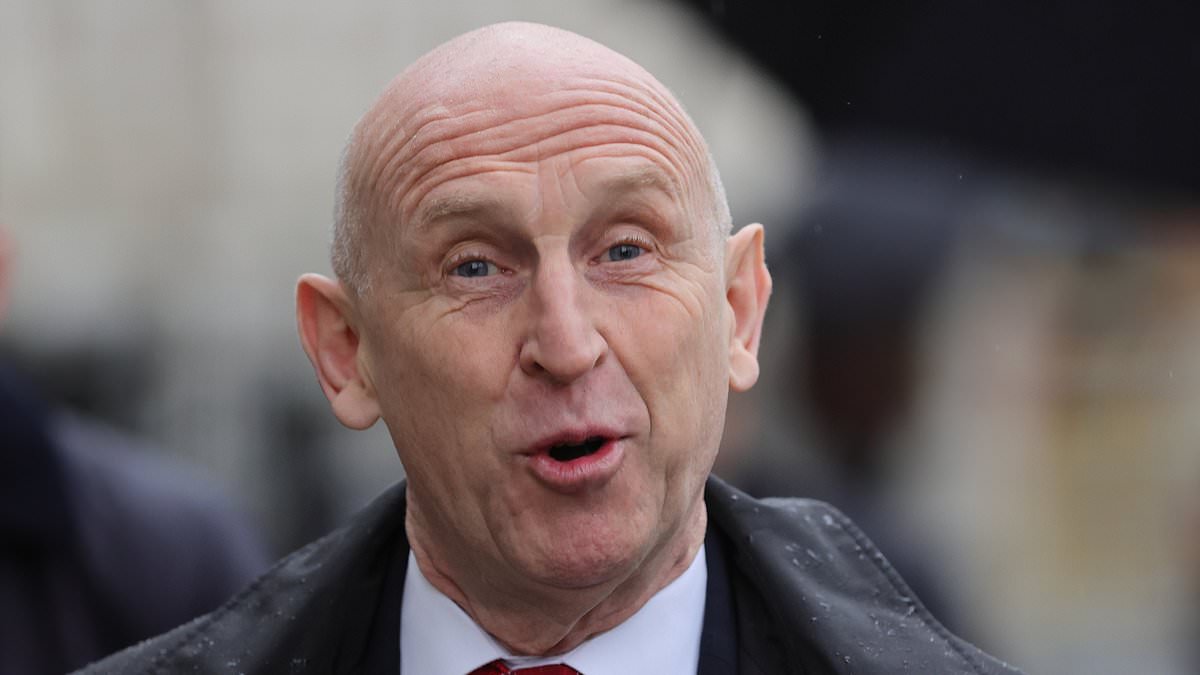
A record number of higher earners will pay income tax on interest from their savings accounts this year, data from HM Revenue & Customs shows. HMRC said 2.1million higher and additional rate taxpayers were on track to pay income tax on their interest on cash savings in 2026-27. In 2022-23, some 658,000 higher earners across Britain were hit with bills on their savings interest - meaning the amount has more than trebled in just four years. Frozen tax thresholds and higher interest rates have pushed more people into paying income tax on the interest they earn on cash savings. Higher rate taxpayers pay 40 per cent income tax on cash savings, while additional rate payers pay 45 per cent. And more people are being dragged into those higher and additional tax bands, as the salary thresholds for entering them have been frozen at £50,271 and £125,141 respectively since 2021. Savers also face a further tax hike from April 2027. In her 2025 Budget, Rachel Reeves unveiled a 2 percentage point increase in the income tax rates applying to savings and property income. But last month, chancellor John Healey doubled that rise to 4 percentage points, taking the basic, higher and additional rates to 24 per cent, 44 per cent and 49 per cent. Tax hike: More workers earning a higher salary will pay income tax on their savings interest this year, and they face paying a higher rate from 2027 thanks to chancellor John HealeyThe 2.1million people set to be hit with a tax bill on their savings interest this year is a marked increase from just a few years ago, the HMRC data obtained by Paragon Bank and published in The Telegraph showed. Of the 658,000 higher earners across Britain who were hit with bills on their savings interest in 2022-23, HMRC said 387,000 taxpayers were in the higher-rate band, which applies when earnings pass £50,271. This is compared to nearly 1.5million who are forecast to pay the tax this year. Approximately 271,000 additional-rate earners, with incomes of £125,141 or more, paid income tax on interest from their savings in 2022-23, a figure expected to increase to 606,000 in the current tax year.HMRC said it expected the average income tax bill on savings interest for an additional rate taxpayer to hit £6,540 in the current tax year, nearly double the £3,710 average in 2022-23. Sarah Coles, of investment platform AJ Bell, warned that the tax burden on savers would become 'even more painful' following Healey's announcement last month. Andrew Wright, of Paragon Bank, told the Telegraph: 'While higher savings rates over the past few years have helped people earn more interest on their cash, frozen tax thresholds are bringing more people into higher tax bands, often without a significant change in their spending power.'As incomes rise, some savers find themselves moving into the additional-rate band, where they lose the personal savings allowance altogether and can pay tax on savings interest from the very first pound earned.'As well as income tax thresholds remaining frozen, the personal savings allowance has also remained unchanged since it was launched in 2016, meaning more people are dragged into paying more tax as their pay goes up. The personal savings allowance is worth £1,000 for basic rate taxpayers, but drops to £500 for those on the higher rate. So, higher rate taxpayers need to keep the interest on their cash savings below £500 to make sure they do not pay income tax on it. Additional-rate taxpayers do not receive any allowance.In October, HMRC said it estimated that by 2031 to 2032, 6million people would face an increase in tax as a result of the higher tax on savings interest announced by Healey in his Budget. It added: 'It is estimated that around 5 per cent of taxpayers will see an average tax rise of £225 annually in 2027 to 2028 as a result of the increase in property rates, and around 12 per cent of taxpayers will see an average tax rise of £113 annually in 2027 to 2028 as a result of the increase in savings rates.' Going up: In October, HMRC said that by 2031 to 2032, 6million people would face an increase in tax as a result of the higher levies on savings interestGood news for Isa savers While Healey upped income tax on savings interest from next April, he also made a U-turn on a proposed cash Isa allowance change. Healey scrapped his predecessor's plans to cut the annual amount people can save tax-free in cash in Isas. Reeves had wanted the policy to encourage personal investment in stocks and shares. It meant, from April 2027, if you are under 65, you would only be able to save £12,000 a year in cash in an Isa, rather than £20,000. But that plan was ditched by Healey. Instead, Labour plans to create a new 'Starter Isa' for first-time investors.How to lawfully swerve paying tax on savings interestHow much you can earn in interest before tax might be due depends on your other income, such as your salary or pension.You can take a number of steps to limit the amount of income tax you pay on interest earned on cash savings. Isabella Galliers-Pratt, senior investment director at Rathbones, told This is Money: 'With tax on savings interest edging up, higher and additional-rate taxpayers need to think about the return they actually keep, rather than simply chasing the highest headline savings rate.' Instead of just using a cash savings account, consider utilising your £20,000 annual Isa allowance, which can be spread across stocks and shares and cash Isas. Interest earned on savings held in a cash Isa is tax-free.This is Money lists the cash Isas with the best interest rates in its regularly updated savings rate tables. A pension also provides a tax-efficient way to save, if you are willing to stash the money away for your retirement. If you are holding a large sum in cash, you may want to consider boosting your pension contributions. The returns generated from investments held in a pension are not liable for tax. Pension contributions also often benefit from tax relief. However, if you die without spending your whole pension pot, your loved ones will be hit with inheritance tax on it from 2027. Also consider Premium Bonds. The money held in Premium Bonds does not earn interest, but you are entered into a prize draw each month and, if you win, the money is tax-free. Gilts, or UK government bonds, could also be worth considering according to Galliers-Pratt. These can be purchased via most investing platforms, in a similar way to buying stocks and shares. She said: 'Once Isas have been fully used, low-coupon, short-dated UK gilts or qualifying corporate bonds can be particularly attractive, offering a better net-of-tax return than prevailing cash rates. 'Although the coupon is taxable as income, capital gains on gilts and qualifying corporate bonds are tax-free. 'Buying a low-coupon bond below its redemption value means that much of the return can therefore come from tax-free capital growth as it approaches maturity.'For example, the 0.5 per cent January 2029 UK Gilt currently has an annualised yield to maturity of around 4.5 per cent, which would leave an additional-rate taxpayer with an after-tax return of more than 4 per cent. 'To achieve the same return from a conventional savings account, where the interest is fully taxable, you could need a headline rate approaching 8 per cent.'Help with financial advice and planning Financial planning can help you grow your wealth, sort your pension, or make sure your finances are as tax efficient as possible.Key reasons that many seek financial planning involve investing for retirement and inheritance tax planning.Services such as Unbiased can match you with a financial professional according to your needs:> Find a local financial adviser* Products featured are independently selected by This is Money's specialist journalists. If you open an account using links which have an asterisk, This is Money will earn an affiliate commission. We do not allow this to affect our editorial independence.
Higher earners being taxed on their savings have trebled in just four years as more dragged into higher bands
Full Article
Original Source
Read the full article at Dailymail →KhanList aggregates and links to publicly available news content. We do not host full articles from third-party sources. Always verify important information with original sources.