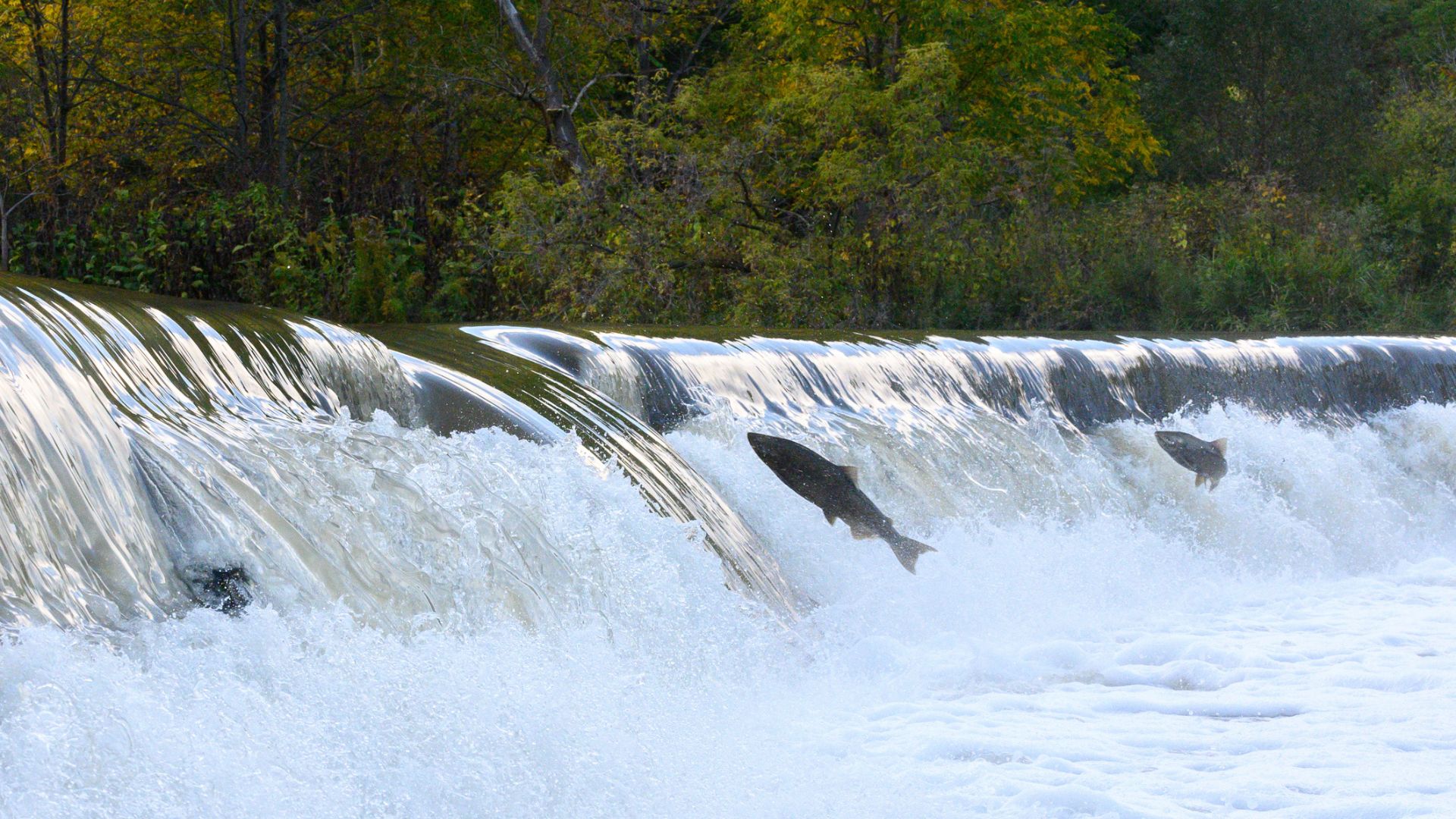
Tracking fish passage through massive hydroelectric barriers relied on humans sitting behind observation glass to log entries by hand. It was a slow and error-prone process. Now, researchers in China are turning to algorithms. China has reportedly deployed an AI-based “fish recognition” system using sonar, optical tech, and historical footage at the Zangmu Hydropower Station on Tibet’s Yarlung Tsangpo River. Reportedly, the system is said to achieve 95% accuracy in identifying species, counting, and analyzing swimming features 24/7. It analyzes swimming postures, fin shapes, and distinctive markings to identify species unique to the Tibetan Plateau. The system also counts every single fish. It even logs water temperatures and migration timing, creating a massive environmental database for researchers across China. Dam structures are known to sever historical migration corridors, trapping species between feeding grounds and spawning waters. AI-driven fish tracking The 116-meter-tall (381 feet), 510-megawatt Zangmu Dam features a fishway or “fish ladder” designed with gentle inclines for weaker-swimming cold-water species (e.g., Glyptosternon maculatum). It has reportedly enabled ~570,000 rare fish to migrate upstream since opening in 2015. Designed to protect indigenous and rare aquatic life from being blocked by the dam, the system monitors fish passing through a specially engineered fishway. While dam officials claim the Zangmu Hydropower Station has stabilized local fish populations and improved river ecology, hydropower facilities inherently pose severe environmental risks by blocking natural migratory pathways. This factor has contributed to the extinction of species like the Chinese paddlefish and Yangtze sturgeon. Developers use fishways and other artificial structures to help migrating species bypass dams, balancing ecological protection with clean energy and flood control. Designed after North American models, the fishway at the Zangmu Hydropower Station features a series of gentle steps and calibrated water flow. The South China Morning Post reported that this design helps seven native species safely navigate upstream around the 400-meter structure. Ecological mitigation Alongside the fishway, a breeding program at the plant has released nearly 2 million fish into the wild to stabilize populations, which officials report remain steady. The stakes for river ecology could not be higher. Dams generate clean energy, but they disrupt ecosystems. However, dams severely disrupt aquatic ecosystems by blocking migratory paths to historic spawning grounds, fragmenting species populations, and trapping crucial nutrients. Plus, transforming swift rivers into stagnant reservoirs alters downstream water temperatures, sediment flow, and oxygen levels, destroying the delicate habitats native fish depend on to survive. Similar AI and camera-based fish monitoring tools are used globally, including by the U.S. Alaska Fisheries Science Center and Canada’s Innovasea. However, environmental and geopolitical concerns remain high as China constructs a massive 60-gigawatt dam downstream in Medog County. Expected to produce three times the capacity of the Three Gorges Dam near the disputed Indian border, this new project threatens significant ecological impacts downstream in India and Bangladesh.AI can track Tibet’s river life, but whether tech-led conservation can offset the massive footprint of Asia’s mega-dams remains an open question, which only the right time will tell. Recommended ArticlesGet the latest in engineering, tech, space & science - delivered daily to your inbox.Mrigakshi is a science journalist who enjoys writing about space exploration, biology, and technological innovations. Her work has been featured in well-known publications including Nature India, Supercluster, The Weather Channel and Astronomy magazine. If you have pitches in mind, please do not hesitate to email her.
High-tech surveillance: China deploys ‘fish facial recognition’ at Tibet hydro station
Full Article
Original Source
Read the full article at Interestingengineering →KhanList aggregates and links to publicly available news content. We do not host full articles from third-party sources. Always verify important information with original sources.