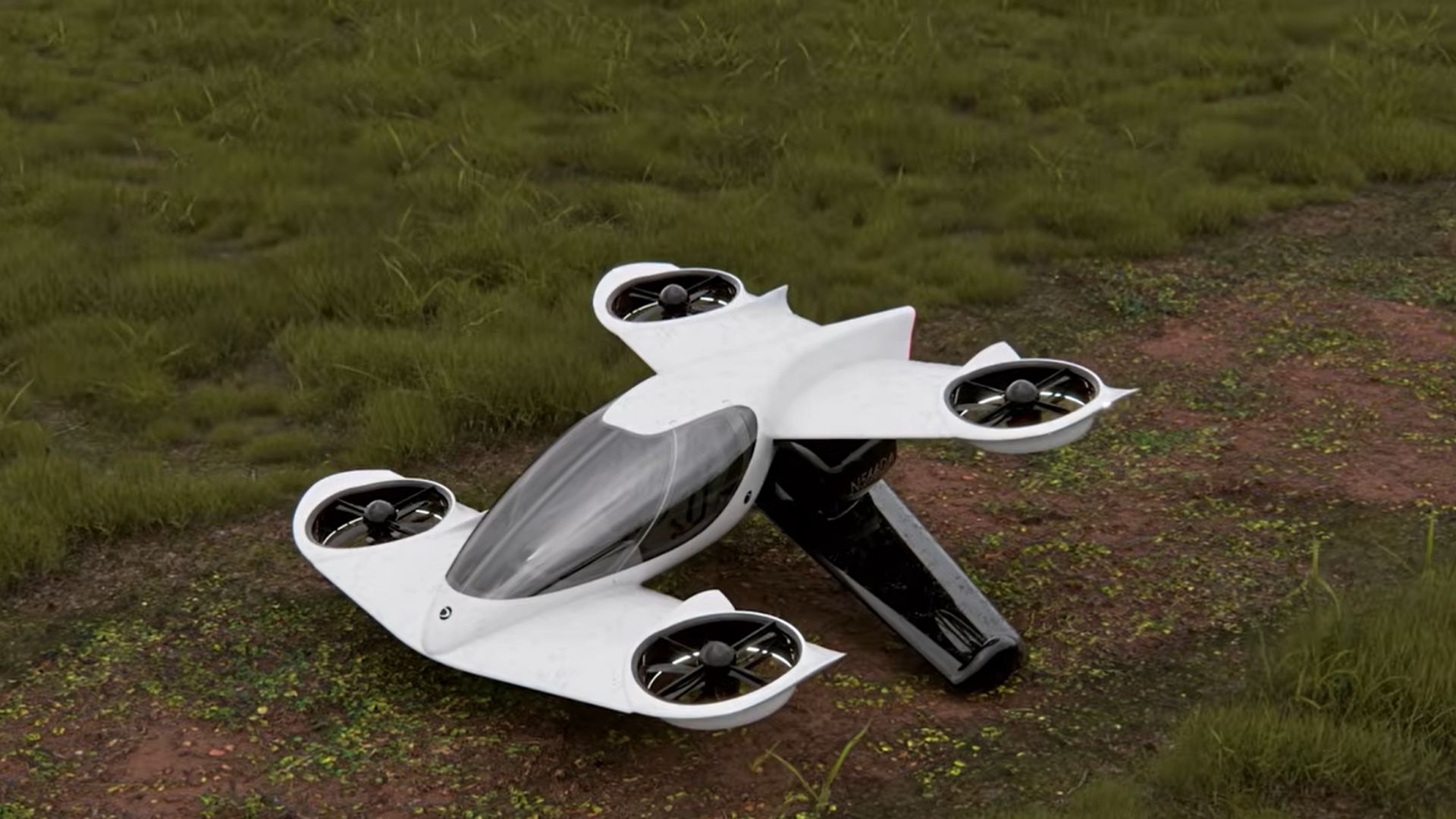
Battery technology company SES AI has entered into a framework agreement with Doroni Aerospace to design and develop battery systems for the Doroni’s H1-X electric vertical takeoff and landing (eVOTL) aircraft. Headquartered in Boston, Massachusetts SES AI produces National Defense Authorization Act (NDAA) compliant battery cells for aerospace, defense, robotics, and advanced mobility applications. The company specializes in high energy density lithium-metal batteries. What the agreement covers The framework agreement has a total potential value of up to $1.09 million, including an initial committed tranche of $65,000. The project will be executed in multiple phases throughout 2026 and 2027, with each phase to be initiated through purchase orders issued by Doroni to SES AI. The battery systems developed under the agreement will support the H1-X’s ground and flight-test program. The testing expected to begin as early as 2027. The agreement also includes options to expand the collaboration to cover additional test systems and future serial production. SES AI probably plans to design and develop battery packs using Lithium-metal cells, developed through its Molecular Universe AI platform. The cells are designed to deliver energy densities approaching 400 Wh/kg. These have also undergone safety validation through abuse tests, which include nail penetration, overcharge, and external short-circuit testing. The battery packs will also feature SES AI’s battery health monitoring technology. Doron Merdinger, Founder and CEO of Doroni Aerospace, said the company selected SES AI after evaluating multiple battery technology providers, citing performance, safety, and compliance as key factors in the decision. The H1-X platform Doroni’s H1-X is designed for personal air mobility, targeting single pilots or pilot-passenger pairs traveling short distances in urban and suburban environments. The two seater eVTOL aircraft has a range of 100 miles, with a top speed of 120 miles per hour. It weighs 1850 pounds and has a charge time of 25 mins. The aircraft uses a multi-rotor configuration, which simplifies mechanical complexity compared to tilt-rotor designs. That architecture places the full energy burden of lift and cruise on the battery system, making cell-level performance a central engineering variable. Engineering challenges eVTOL platforms impose unusually demanding constraints on battery design. They draw high current during vertical lift phases, require precise thermal control across rapid charge-discharge cycles, and carry strict mass budgets. These factors directly affect payload and range. SES AI has built its commercial strategy around lithium-metal cell chemistry. It offers higher gravimetric energy density than conventional lithium-ion. In aerospace applications, that difference matters. A lighter battery carrying the same usable energy translates to a better power-to-weight ratio. That ratio governs how long an eVTOL can hover and how far it can travel on a charge.
High energy density lithium metal battery pack to power 1850-pound evtol aircraft
Full Article
Original Source
Read the full article at Interestingengineering →KhanList aggregates and links to publicly available news content. We do not host full articles from third-party sources. Always verify important information with original sources.