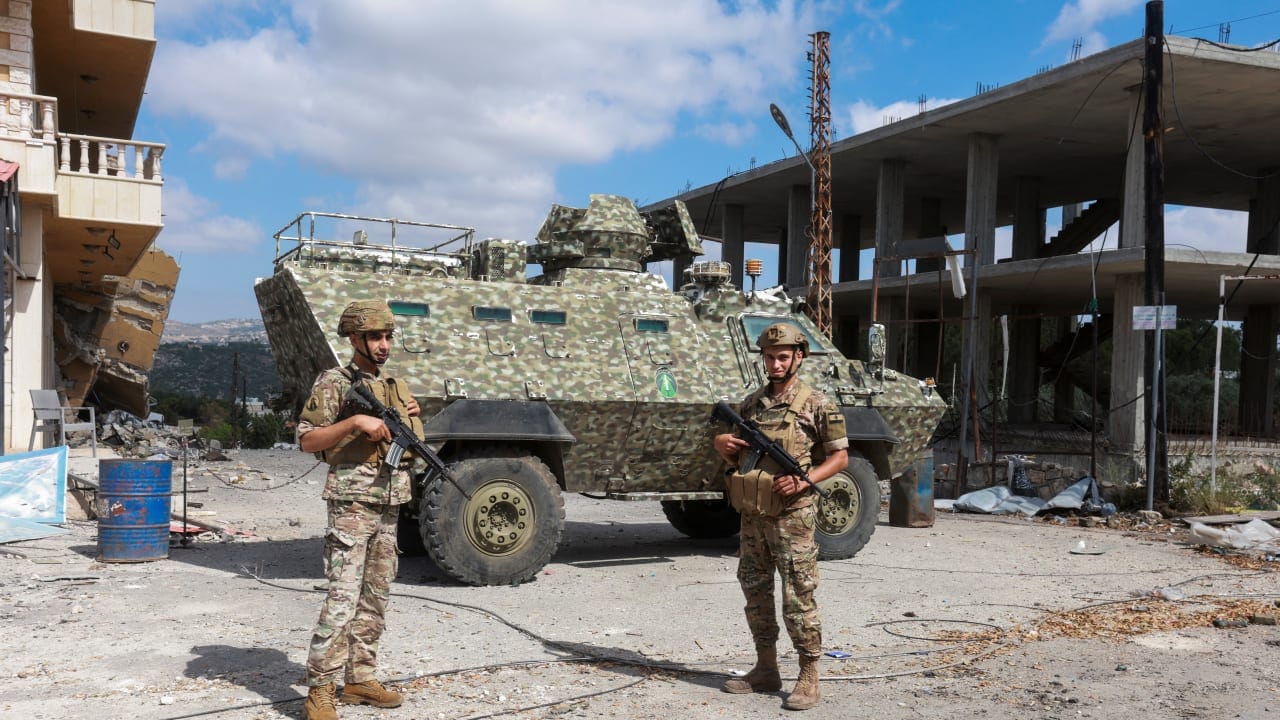
ByDANIELLE GREYMAN-KENNARDJULY 19, 2026 16:28Hezbollah’s attack on the Lebanese Army in Mansouri over the weekend was the terror group’s way of “hinting” that it would escalate if threatened, Eyal Zisser, Vice-Rector at Tel Aviv University and an expert in Hezbollah’s political strategy, told The Jerusalem Post on Sunday.Lebanon’s Sgt. Maj. Ahmad Sami Khalil, from the village of Froun in the Bint Jbeil district, was killed on Saturday when a suspicious object exploded in an army vehicle, wounding an additional soldier and officer in the blast.Located only a few kilometers north of the Yellow Line, initial reports published in Lebanon theorized that the blast had been an Israeli airstrike, a theory largely based on Israel’s targeting of Hezbollah infrastructure in the days leading up to the attack.IDF confirms explosive was planted by HezbollahThe IDF, however, confirmed that the explosive had been planted by Hezbollah, asserting that the IDF has not had troops in Mansouri recently.“It should be noted that the Lebanese Army vehicle entered the Security Zone without prior coordination with the IDF, as required according to the existing coordination mechanism,” the military added.Fortified Hezbollah anti-tank missile position in the Wadi Saluki area, Lebanon, July 12, 2026. (credit: IDF SPOKESPERSON'S UNIT)Zisser said that the escalation would likely depend on whether there was an agreement between Beirut and Jerusalem, but said it was hard to predict how far Hezbollah would go.Though the US brokered an agreement between Beirut and Jerusalem last month to see an Israeli withdrawal from the country and a disarmament of Hezbollah, reports have indicated that there are disagreements on the pace of Israeli withdrawal. Lebanese President Joseph Aoun is currently in Washington to discuss the issue and is set to present US President Donald Trump with a proposal to disarm the Iranian terror arm.Hezbollah’s next actions will likely be decided when things are more concrete between the two countries, as right now they constitute “mainly talks, nothing real,” Zisser said. “If the Lebanese government takes action, in such a case, we should expect retaliation from Hezbollah, but what will it be?”Hezbollah has previously gone as far as to assassinate a former prime ministerZisser noted that Hezbollah has previously gone as far as to assassinate a former prime minister, Rafic Hariri, in 2005, and so “nothing should surprise us.”Zisser said that there were only limited concerns of an immediate civil war, despite comments and threats from Hezbollah officials in recent months and the latest attacks, given that the terror group would only risk the action if the Lebanese military begins operating against them, “something that they don’t do right now,” or if Beirut and Jerusalem sign a peace agreement, which is “not on the table” yet.The weight of undercutting Hezbollah and Iran by forming an agreement with Hezbollah should translate to Israel being “flexible” in any agreement with Beirut, he added, but stressed that national security should not be among the issues Israel concedes on.“You need to give it a try to contain Hezbollah politically,” Zisser reasoned, explaining that military containment may be more difficult to achieve. With the support of the United States and Beirut, containing Hezbollah’s political influence might be worth making some sacrifices for.Given that Hezbollah pursued a pause in fighting against Israel through Iran, and the now-defunct MoU with the US, “Hezbollah cannot complain” should the US-brokered deal be finalized, he explained.He added that a ceasefire was “nothing,” as Hezbollah could simply break the agreement when it was ready, so it was “not important enough to go to war over.”“Right now, it is in the interest of Hezbollah to maintain a ceasefire, and that nothing will happen. Actually, nobody can do anything about it (Hezbollah’s threat) because the Lebanese army is weak and is afraid of Hezbollah, and Israel has received orders from the White House,” he concluded.Follow us on Google
Hezbollah ‘hinting’ at escalation against Lebanese army but still undecided, expert tells 'Post'
Full Article
📰 Original Source
Read full article at Jpost →KhanList aggregates and links to publicly available news content. We do not host full articles from third-party sources. Always verify important information with original sources.