
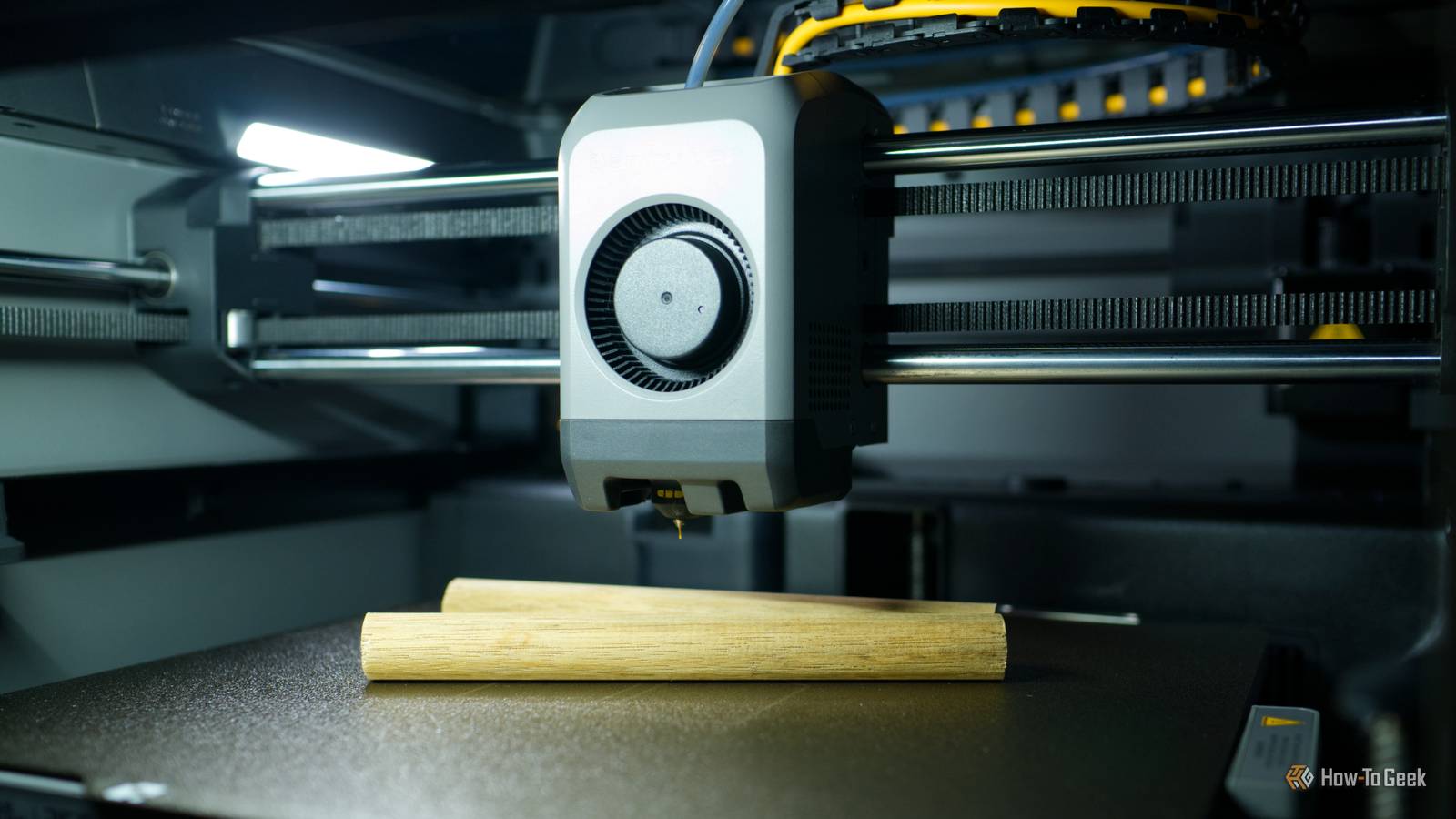
Published Aug 31, 2026, 6:00 AM EDT Tim has been covering technology for almost 20 years, in that time spanning a broad range of topics from security to product reviews. He is especially focused on the Apple ecosystem, productivity, and consumer advice. Over the years Tim has written thousands of articles, reviews, and round-ups in addition to producing video content and original photography. A graduate of journalism, he found his footing as a freelancer with a laptop and loves how he is able to work from practically anywhere. Now a Senior Editor for iPhone, Mac, and Smart Home at How-To Geek, Tim still loves to write. He can also be found crafting round-ups and productivity posts for the Zapier blog. Earlier in his career Tim spent nearly a decade as a writer and eventually Apple section editor for MakeUseOf. Tim currently lives in Brisbane, Australia. Outside of work he loves to hike and work out, play video games, and spend quality time with his wonderful partner and two cats Inka and Roger. Having access to a 3D printer can, at times, cloud your judgment. You start to think in terms of printing your way out of a problem, which can mean overlooking easier and more economical options. But not every solution can be found at the end of your printer’s hotend. Wood is cheaper than filament And it looks better too Credit: Tim Brookes / How-To Geek Generally speaking, wood is a more economical and environmentally friendly choice than even cheap filament like PLA and PETG. While filament is versatile and can be turned into all sorts of shapes simply by hitting a few buttons (or taking the time to model something yourself), it’s not without its drawbacks. It will cost you far more to fill a large space with filament than it would with a reasonably-priced piece of wood (especially if you have scraps lying around). Using wood often means that the end result is stronger. You don’t have to wait around hours for a print to finish, and wood will better withstand force over time compared to filaments like PLA, which sag and deform. This might sound obvious, but if you frequent any 3D printing communities, then you’ll likely have seen posts from understandably keen printer owners who have a tendency to miss the wood for the trees, so to speak. One category of print that often confuses me is leg extenders for furniture that’s too short. This either involves replacing the whole sofa leg or printing an add-on that sits on the bottom. Wood is arguably a better choice for such a job since it’s cheaper, durable, easy to work with, and can be painted or finished in myriad ways. There is also a natural beauty to wood that plastic is lacking. 3D printing is a very functional technology; objects can be printed to spec and designed to be adjustable. Things made on your printer can look good, but they typically require quite a lot of finishing to reach that stage. You can achieve a similar result to wood by printing with wood PLA, which is an exotic filament that uses wood dust. The real benefit to this material is that it can be shaped to create intricate objects, which most of us would never manage to achieve with wood. But it’s worth remembering that if you want something to look like wood, the best option is to brush up on your woodworking skills and just use wood. You don’t have to choose between the two Many projects use both The good news is that woodworking and 3D printing go hand in hand, and not only because you can print all manner of useful things for your hobby. It’s not unusual to come across projects on repositories like MakerWorld and Printables that require both, with the most obvious example being brackets for wooden shelving. But there are plenty of more exciting prints that use wood for much of their volume. The 3D-printed tablet weaving loom I came across a few weeks ago is a good example, requiring around half a kilo of filament and 15mm (or 5/8”) wooden rods to create a large contraption with which you can begin your weaving journey. The use of 3D-printed parts to hold together stronger and cheaper bits of wood is nothing new. You can print corners for raised garden beds, connectors for wooden frames, rounded edges for shelves, supports for bottle racks, and much more. Prints end up stronger and often much larger than they ever would be if they depended entirely on 3D-printed parts. Even the biggest 3D printing nerds know when to combine printed parts and the economy of wood. Proper Printing is a 3D printing YouTuber that you should follow, and he designed custom stands for his fleet of Prusa 3D printers. Even though he is working with Prusa to make weird and wonderful things, his design still made liberal use of wood. If you enjoy 3D printing, you’ll probably enjoy working with wood Making things is satisfying There’s a good chance that if you’re the sort of person who owns or is interested in 3D printing, you’re probably already up for the challenge of woodworking. The same design and problem-solving skills you’re developing with the aid of a 3D printer and your favorite CAD software will come in handy when working with wood. Sometimes, all it takes is thinking slightly differently about whatever it is you’re trying to make, fix, or improve to realize that the answer isn’t always a few kilograms of PLA and an all-night print. Looking for some woodworking projects to ease yourself in? Here are some beginner-friendly ideas that don’t require a garage full of tools.
Here’s why wood is a 3D printer’s best friend
Full Article
Original Source
Read the full article at Howtogeek →KhanList aggregates and links to publicly available news content. We do not host full articles from third-party sources. Always verify important information with original sources.