
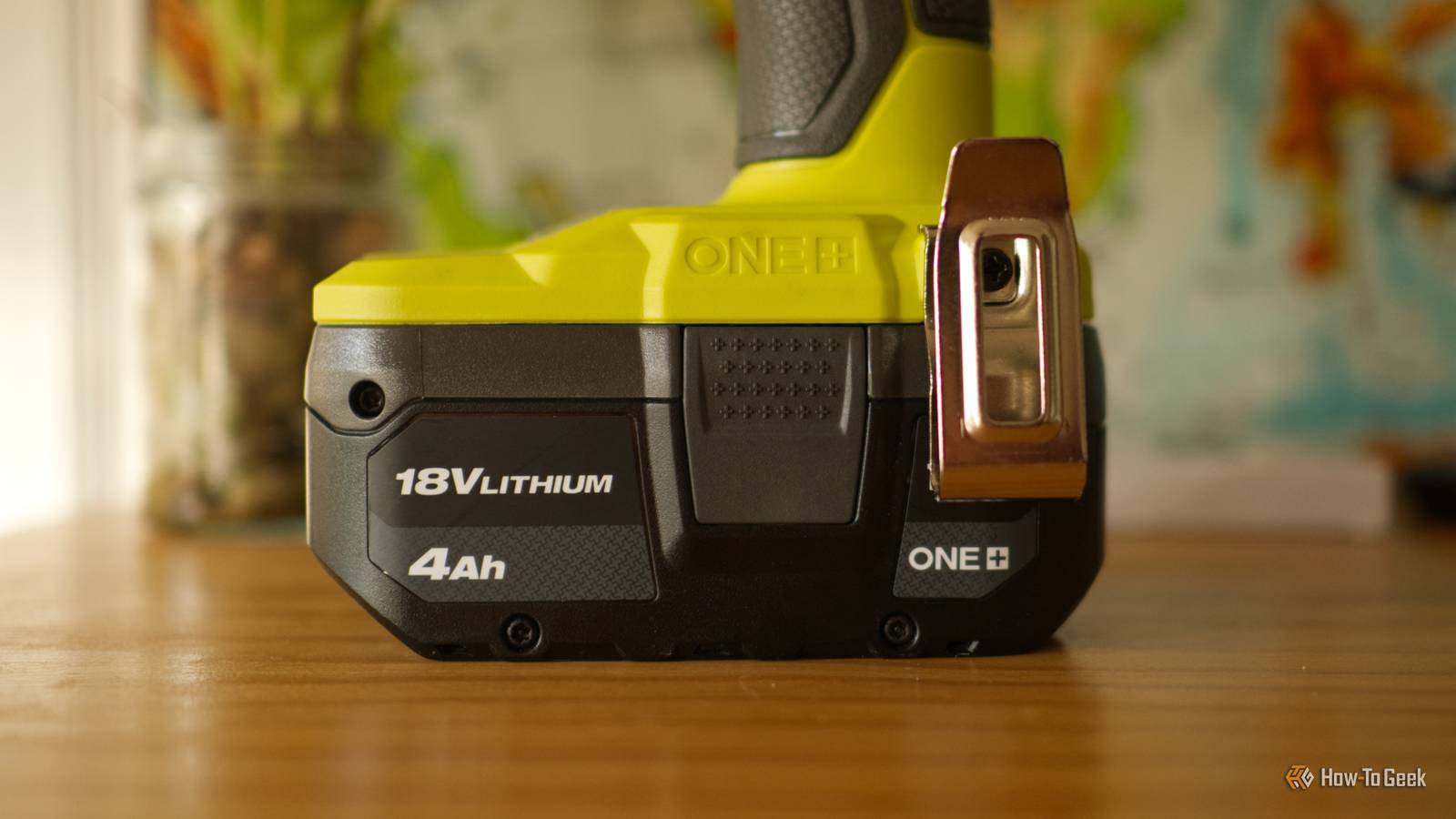
Published Sep 9, 2026, 10:00 AM EDT Tim has been covering technology for almost 20 years, in that time spanning a broad range of topics from security to product reviews. He is especially focused on the Apple ecosystem, productivity, and consumer advice. Over the years Tim has written thousands of articles, reviews, and round-ups in addition to producing video content and original photography. A graduate of journalism, he found his footing as a freelancer with a laptop and loves how he is able to work from practically anywhere. Now a Senior Editor for iPhone, Mac, and Smart Home at How-To Geek, Tim still loves to write. He can also be found crafting round-ups and productivity posts for the Zapier blog. Earlier in his career Tim spent nearly a decade as a writer and eventually Apple section editor for MakeUseOf. Tim currently lives in Brisbane, Australia. Outside of work he loves to hike and work out, play video games, and spend quality time with his wonderful partner and two cats Inka and Roger. Battery-powered tools are now powerful enough to tackle most jobs, with an ever-growing range of options from impact drivers to nail guns and everything in between. These live in your shed or garage when you’re not using them—but this could be a big mistake. Extreme temperatures and lithium batteries don’t mix Extending the life of your power tool cells Most modern rechargeable batteries use lithium-ion technology, including your power tools. Though no battery technology is perfect, lithium-ion has some big benefits like energy density, charging speed, the lack of a “memory” effect exhibited by older battery types, and good lifespan—as long as you take care of them properly. Taking care of a lithium-ion battery means storing it at a charge level of around 50%, not letting it completely discharge, and avoiding temperatures that fall outside of the recommended storage conditions. For Ryobi batteries, for example, the company recommends storing them at temperatures between 5ºC and 20ºC (41ºF and 68ºF). It’s fair to say that most battery owners take this advice with a pinch of salt. You’re probably not going to avoid using your impact driver outside on a summer’s day when the temperature is high, for example. The main takeaway here is to prioritize a stable temperature range that doesn’t run too hot or cold when your tools aren’t in use to prolong battery lifespan. Given how hot and cold uninsulated areas can get in the summer and winter, that probably means reevaluating how you’re storing and charging your batteries. Find space in your home for batteries Build a charging station somewhere Credit: Tim Brookes / How-To Geek The good news is that you don’t need to bring your tools inside to take care of your batteries. You can leave them in the shed or garage where they belong, while the cells are stored elsewhere (which takes up far less room). Arguably the best way to do this is to set up a small battery charging and storage station somewhere inside your home. Since your home has the benefit of heating and cooling, it remains relatively temperature-stable, so moving your batteries inside is all you need to do to protect them. Remembering to disconnect the pack before you store the tool—especially at the end of the season when you know you won’t be using it for a while—is arguably the hardest part. Ultimately, this tip is all about saving money. The better you care for your battery packs, the longer they will hold a usable charge, and the longer you can go between recycling the old ones and buying replacements. Since buying modern power tools feels a lot like buying into an ecosystem (and at times a cult), you will probably amass a fair few batteries as you expand your range. Cycling these batteries as well as storing them properly will go a long way towards keeping them in top condition, saving you money in the long run. Save money when buying new batteries Never pay full price Stocking up on power tool batteries is a good idea. It means not running out of juice while you’re in the middle of a project (even if you’re jumping between different tools), and it means you can spread the load over multiple cells. It can be tempting to buy off-brand tools to save money, but this could mean damaging your tools (and the supposed benefits might not even be worth the savings if the battery is built to a lower quality spec). Instead, stock up on batteries by buying in bulk. Battery packs are a good example of a Ryobi product that is almost always on sale. The more batteries you buy at once, the less you’ll pay for each cell. Buying a single battery at full price might save you some money in the short term, but spending more yields better value over time. Sometimes, you can buy Ryobi tools that are bundled with a battery, which is something I did to save literally half the price of a battery and charger on its own. But the best thing you can do is wait for a promotion and strike while the iron’s hot. Not only can you spread the use of even a single tool between two or more batteries (which have a lower per-unit cost when purchased in bulk), but you’ll avoid having to pay over the odds for a single battery when you decide to invest in a new jigsaw, sander, or other non-tool items which have crept into the range when the time comes. The same advice you’ve read here applies to any lithium-ion battery, whether that’s a drill, smartphone, or home battery system. For the latter choice, a more stable yet bulkier technology will hopefully solve the problem.
Here's what happens to your power tool batteries when you leave them in a hot (or cold) garage
Full Article
Original Source
Read the full article at Howtogeek →KhanList aggregates and links to publicly available news content. We do not host full articles from third-party sources. Always verify important information with original sources.