
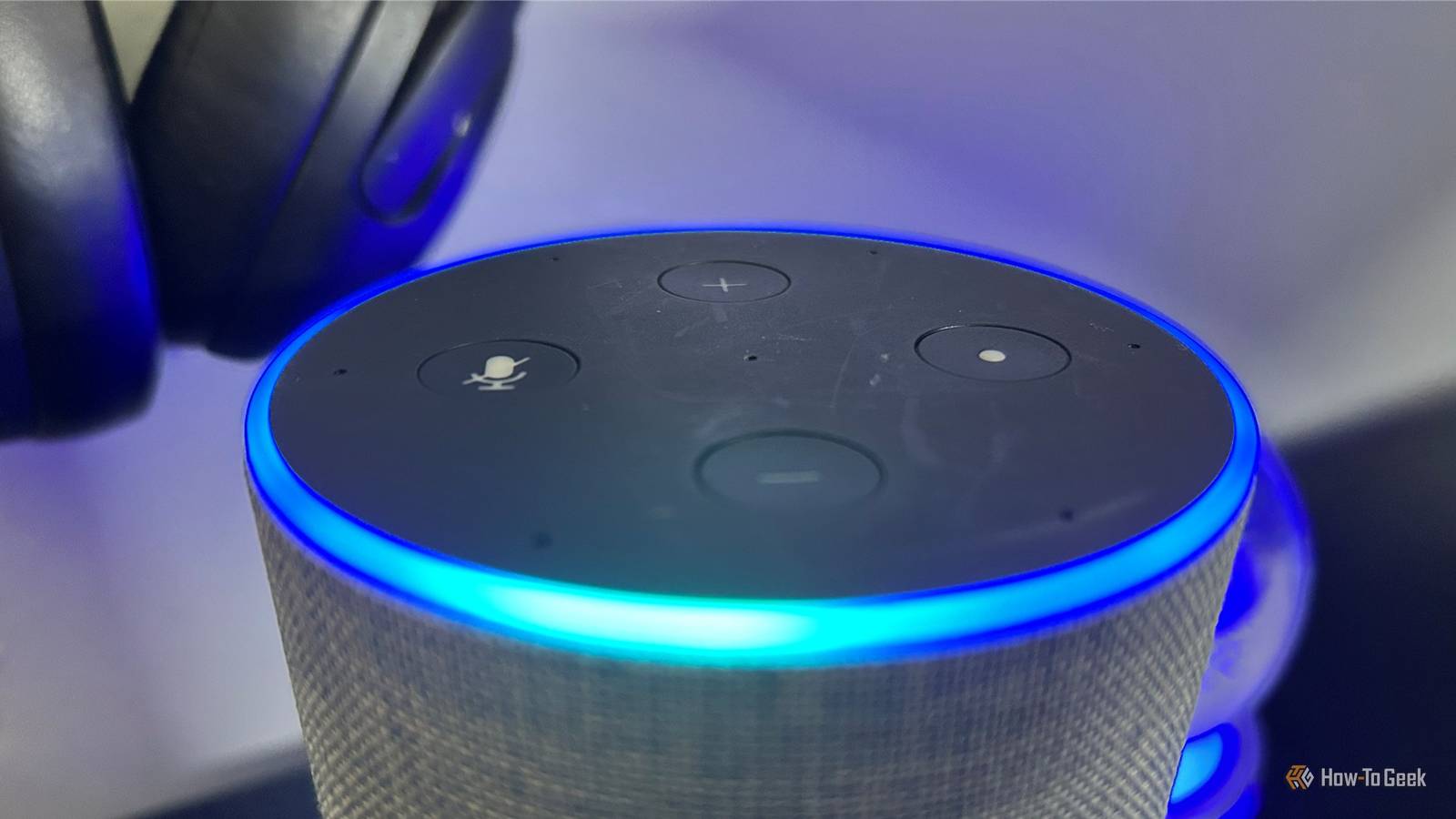
Credit: Tony Phillips/How-To Geek Published Nov 24, 2026, 12:48 PM EST Tyler Cross is an author for How-To Geek who reports on a wide range of cybersecurity stories. Before this, he spent 5 years creating cybersecurity articles under the Kape brand, including both short- and long-form blog posts. He also has 2+ years of experience creating news articles, YouTube scripts, and product reviews for a wide range of VPNs, antivirus software, password managers, and more. Outside of work, I am an avid tabletop gamer and enjoy writing my own TTRPG systems and campaign modules. Sign in to your How-To Geek account Julian Imhof, known online as Gamer92000, created an open-source product that lets you repurpose your Amazon Echo by removing its connection to Amazon (something that I've always wanted to do). He built the tool with the help of Claude AI. The project would allow you to remove Alexa from your Echo while keeping the Echo’s microphone processing and wake-word detection, and using Home Assistant Assist for voice commands and Music Assistant for music playback. While it's an interesting premise, the real question is whether or not it works. What is the echo-dot-assist And can I start using it now? The way the project works is simple. Instead of running Alexa, your Echo will run "hassmic," a small Daemon that your Home Assistant reads as an ESPHome device, with no YAML or add-ons, meaning Home Assistant can discover your Echo automatically once it’s on your network, without any extra configuration files or software on the Home Assistant side. Getting started requires some work. The page lists a variety of supported Echo devices, but the instructions let you know what you're in for trying to get it set up. For example, to get it working on the Echo 2nd gen, it requires opening the case and soldering the right USBs to the amplifier board. Check the release page for your Echo device to see how to set it up. Echo Dot 5th gen devices do work, but there is no guided setup process. It also requires a dedicated Linux computer (not a different OS running Linux), and depending on the version, can require up to 35GB of RAM to set up. "The older its firmware, the likelier the unlock works: every unlock uses a hole in Amazon's software, and updates close such holes, Imhof writes on his GitHub release page. "Which versions still unlock is not tracked here, and an unlock that does not take can leave the Echo unusable. Never let the Echo update: do not set it up with the Alexa app, and keep it off Wi-Fi until the install puts it there." The project is self-admittedly vibe-coded, so testing it comes at your own risk. The project maintainer tested it on one Echo of each supported model. using one Echo of each model; while it works, it's possible to accidentally destroy your Echo. "The install unlocks the bootloader and writes the system partition; it can brick the Echo. A mistake in the firewall or the updates could leave it online or open on your network. Read what you run. No warranty, no support," Imhof warns. That said, the project seems to have decent security that includes encryption, but it has not undergone a security audit. "No cloud," Imhof explains. "The firewall lets Amazon's programs reach only your local network, and firmware updates never get out. The link to Home Assistant is encrypted with a key Home Assistant sets; until you add the Echo, anyone on the network can connect. The settings page lets in only browsers you approved with the action button. ADB is closed over Wi-Fi. Updates install only with a valid signature." The project is still fresh, so it has room to grow. You can check it out for yourself on Imhof's GitHub page here. Before setup, read the instructions carefully and remember that even one wrong step could brick your Echo. Source: GitHub
Here's how you can turn an old Echo speaker into an assistant that never talks to Amazon
Full Article
Original Source
Read the full article at Howtogeek →KhanList aggregates and links to publicly available news content. We do not host full articles from third-party sources. Always verify important information with original sources.