
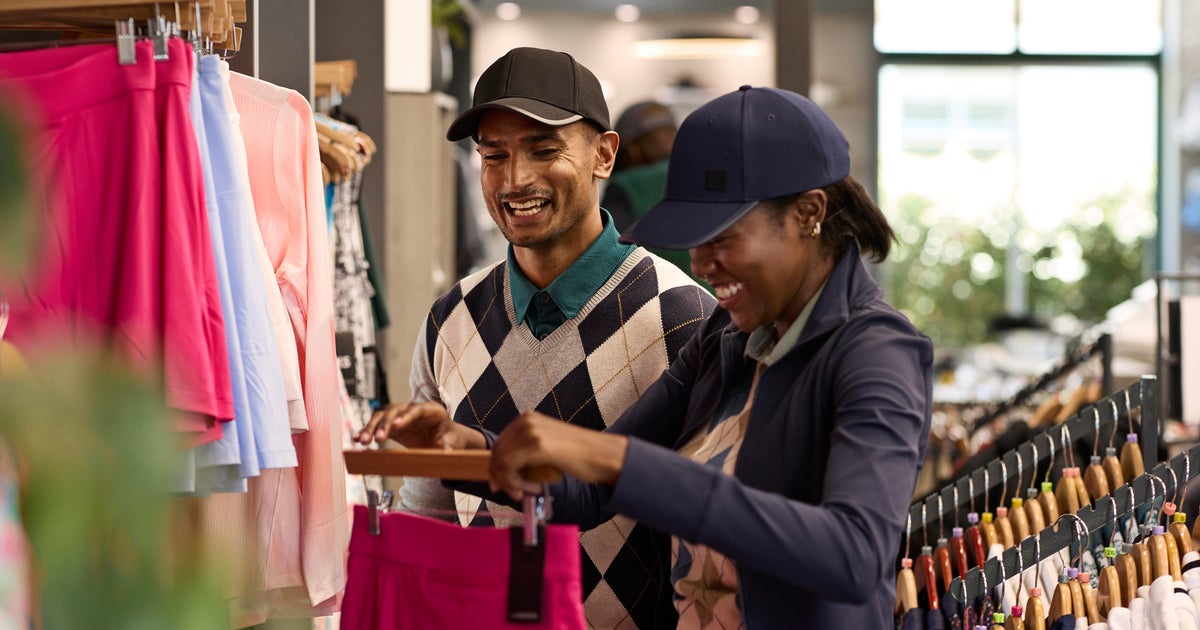
By Megan Cerullo Reporter, MoneyWatch Megan Cerullo is a New York-based reporter for CBS MoneyWatch covering small business, workplace, health care, consumer spending and personal finance topics. She regularly appears on CBS News 24/7 to discuss her reporting. Read Full Bio November 27, 2026 / 6:00 AM EST / CBS News Add CBS News on Google The millions of Americans who use GLP-1 drugs to lose weight are reshaping consumer spending and buying patterns, forcing businesses to rethink their offerings. The medications could make the population at large healthier and increase worker longevity, thereby driving productivity gains. More than 60 million Americans are expected to start using the drugs by 2030, more than double the number that currently takes them, according to an estimate from Oxford Economics, an economic advisory firm. Their user base is already large enough to drive noticeable spending pullbacks on some goods and services while boosting others, according to research from the firm. "GLP-1s are no longer a niche story for the U.S. economy," Oxford Economics U.S. economist Grace Zwemmer wrote in a report. "Faster adoption and broader access will continue to drive a reallocation of consumer spending away from food and toward apparel."The drugs could boost labor supply if workers are healthier and can remain on the job for longer, she noted.Shopping baskets start to look different Spending on food, both at home and at bars and restaurants, stands to take the biggest hit, according to Zwemmer. Oxford Economics estimates that households using GLP-1 reduce food spending by about $500 a year on average. A study from Cornell University and Numerator found that GLP-1 users cut grocery spending by roughly 5% within months of starting the drug. The most noticeable cuts were in the savory snacks and sweet bakery goods aisles, although GLP-1 users bought more yogurt and fresh produce. The medication leads users to spend about $200 more a year on clothing, according to the Oxford Economics report. Separate research shows that GLP-1 users tend to overhaul their wardrobes to accommodate their slimmed-down figures. They favor smaller sizes and, in some cases, body-hugging styles versus baggier alternatives, according to Impact Analytics, a retail forecasting firm. "As long as adoption continues to rise, new starters will have demand for new clothes," Zwemmer wrote in the report. "For now, that translates to an additional $200 in spending on apparel per year per user. Scaled up to our estimate of nearly 40 [million] users entering 2027, this would translate to an $8 [billion] uplift in apparel spending next year." Edited by Aimee Picchi In: GLP-1 Here's how GLP-1 drugs are changing how people shop 02:37 Here's how GLP-1 drugs are changing how people shop (02:37)
Here's how GLP-1 drugs are changing people's shopping habits
Full Article
Original Source
Read the full article at Cbsnews →KhanList aggregates and links to publicly available news content. We do not host full articles from third-party sources. Always verify important information with original sources.