
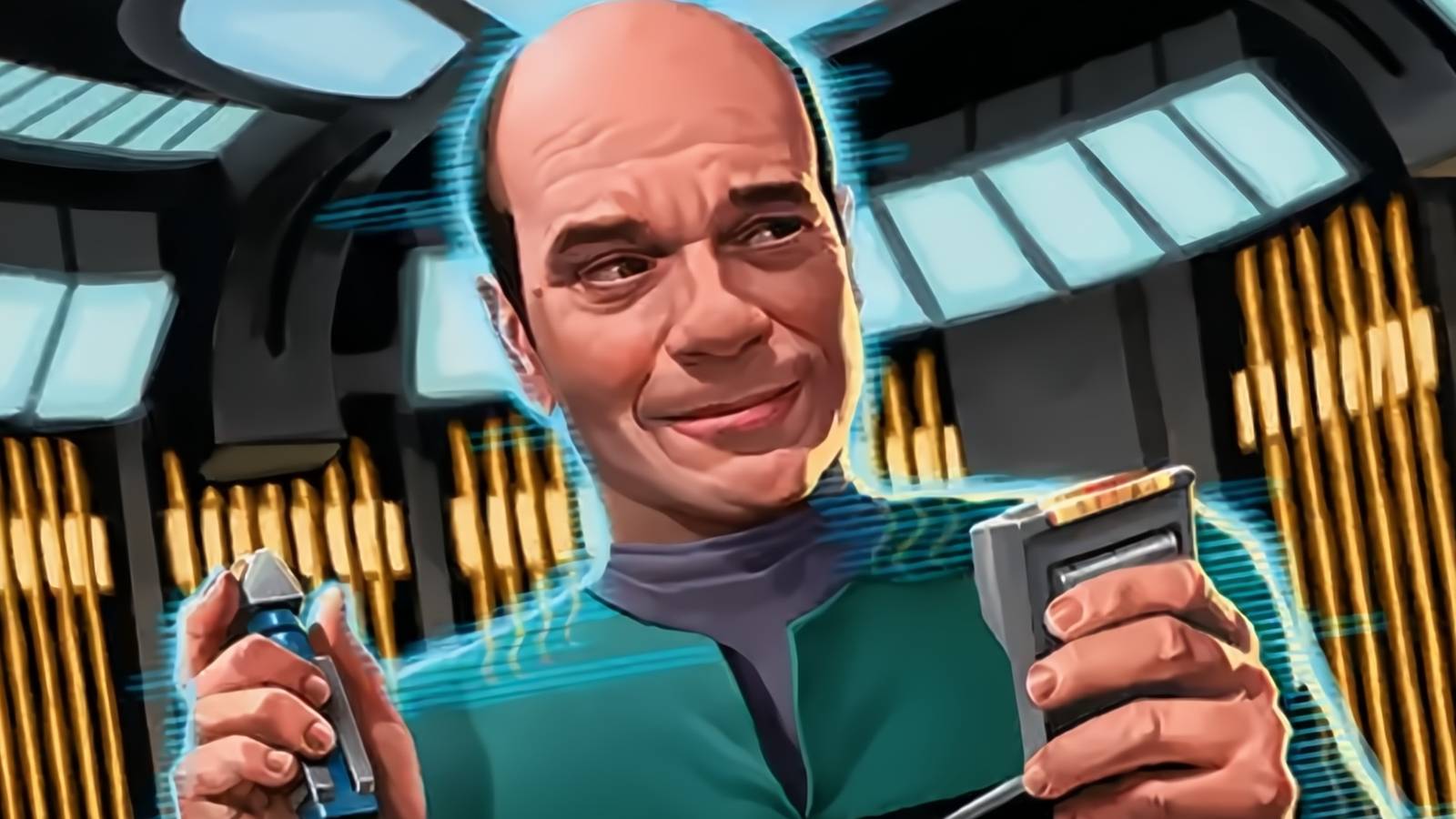
Published Nov 2, 2026, 3:52 PM EST Niall (pronounced Ny-ul) is a UK-based writer who has been writing about Magic: The Gathering throughout his entire career, with everything from new set breakdowns and individual deck guides to offering his opinions on the state of formats and the general direction of the iconic TCG. Niall also has a rich history covering triple-A releases, sports games, and PC hardware. While it may feel like Magic: The Gathering's Reality Fracture set just dropped yesterday, we have a whole new Universes Beyond drop coming this week, and ahead of the prerelease, we're taking a close look at each Star Trek draft archetype. There are ten archetypes in total, covering each dual-color combination. The good news is that typically means there is something for every player; you just need to know exactly which mechanics to watch for to build a synergistic deck that will guide you to 3-0 at your prerelease event. White-Blue Spacecrafts & Artifacts First up is white-blue Spacecrafts & Artifacts, a fairly self-explanatory archetype that leans on Spacecrafts as the main threat, but you first have to plan around stationing them to power up. This means you'll still need to consider creatures as part of your main deck, or ways to consistently create token creatures. There may, of course, be alternative ways to power up your Spacecrafts that you need to keep an eye on, too. Overall, this may be one of the less-popular archetypes for pre-release, as in a small-deck format it can take too long to get the engine going, and any sign of aggression from your opponents will put you under immense pressure. Black-Blue Control Not typical of the black-blue archetype, in Star Trek you'll want to lean toward modal choice cards. These cards present you with multiple options and a choice to make either when you resolve the spell or when certain triggers activate. These choices come printed on both creature and noncreature spells, so you can still approach your draft with a fairly balanced deck overall. Cards like The Caretaker, Jett Reno, Problem Solver, and Elim Garak, Simple Tailor then interact with the choices you make. When you make a choice, it's called "facing a dilemma," and these cards, along with others, trigger every time you face a dilemma. We can see this is a pretty popular archetype, as it takes the best parts of control and aggro and finds a middle ground that's exciting to build around. Black-Red Klingon Arguably the most traditional archetype, Klingons rely on all-out aggression, creating and sacrificing token creatures to buff permanents, and swinging wide to earn a win. Given how well the black-red archetype fits the general Klingon vibe, there's no need to go out of your way to fit the creature type into a different vibe just because the obvious seems too obvious. Theming is important in Universes Beyond sets, so it's nice to see everything work well for a major aspect of the Star Trek set here with the Klingons. We expect this to be a very popular pick for prerelease and beyond, as drafting to win early is so often an easy path to victory against any deck that needs time to build, especially if someone has gone for more than two colors. Red-Green Landfall Another hugely popular draft pick will be red-green Landfall. This mechanic has returned in quite a few sets, but is very prevalent in Star Trek. While only ten cards sport the mechanic, they're extremely easy to build around. The remainder of your red-green deck should be ramp and big, powerful creatures. Red-green is often a slower but higher-power version of black-red, so there can be some crossover between the two. Be wary of branching out into a tri-color deck, though, as you may spread your cards and strategy too thin. Green-White Life & Counters The Star Trek set offers plenty of ways to gain life and start dishing out +1/+1 counters. This makes green-white one of the standout draft archetypes in the set, but it also creates too much choice and forces you to build a focused deck around mechanics you may already have too many of once you've finished picking your cards. You'll want to focus on creatures that buff your ability to dish out counters, like The Doctor, EMH, which gives a target creature a +1/+1 counter when it enters, then gives a +1/+1 to each creature you control that already has a counter on it. Proliferation isn't available, but that doesn't mean there aren't ways to kinda do it without the exact mechanic being present. White-Black Borg Artifacts Another artifact-heavy archetype, white-black is usually about life gain and sacrificing, but in Star Trek, it's all about the Borg. These artifact creatures use the Assimilate mechanic to steal opponents' creatures and put them on your battlefield, only with a +1/+1 counter on them, and stripped of all creature types except for Borg artifact. We Are The Borg is an early fan favorite Commander precon from this set, and if you get the chance to build around the Borg in a draft, we recommend you take it and coast to victory... yes, it's that good. Red-Blue Scientists & Noncreatures Red-blue decks are more than familiar with the concept of stacking noncreature spells alongside a few specific creatures (Izzet Prowess, anyone?) and the Star Trek version of that archetype just replaces Prowess with Scientists. You'll draw and discard cards to find your big hitters, counter your opponent's big plays, bounce creatures off the board, generate token creatures, and deal damage straight to your opponent's face. Everything we've come to expect from red-blue spell decks. This archetype will be popular simply because it's dominated Standard for years, but that comfort level doesn't make it an instant win in draft conditions. Black-Green Graveyard Not all cards are done when they hit your graveyard, and black-green in Star Trek is all too familiar with this idea. You'll either let cards hit the graveyard from the battlefield, or find ways to get them there from your hand or library, because some cards can be cast directly from there or brought back stronger via another spell or ability. This isn't new for black-green decks, but watch for the specific ability that supports this archetype: Threshold. This ability kicks in when you have seven or more cards in your graveyard. Red-White Power One of the mechanics that we're not a fan of is power counting in the red-white archetype. This mechanic requires you to have eight or greater power on the battlefield to trigger creature abilities or upgrades. Our main issue is that it isn't well supported in the set, so building an entire archetype around it feels restrictive. We don't see this being a hugely common build unless someone simply has no other meaningful options in the cards they draft. Green-Blue Strange New Worlds Last, but certainly not least, is green-blue Strange New Worlds. Another archetype built around a new mechanic that also features heavily in a Commander precon: Landing Party. This mechanic gives you access to upgrades and benefits based on the number of differently named lands on the battlefield. In a Commander deck, this is ideal, but in draft, it puts a lot of pressure on you to snap up every special land type you see to keep your triggers meaningful. This strikes us as the hardest archetype to build successfully, especially given the nature of drafting, but if you can build a competent deck around it, we imagine it will be immensely fun to play. Franchise Magic: The Gathering Original Release Date August 5, 1993 Publisher Wizards of the Coast Designer(s) Richard Garfield
Here Are All 10 Star Trek Draft Archetypes In MTG
Full Article
Original Source
Read the full article at Thegamer →KhanList aggregates and links to publicly available news content. We do not host full articles from third-party sources. Always verify important information with original sources.