
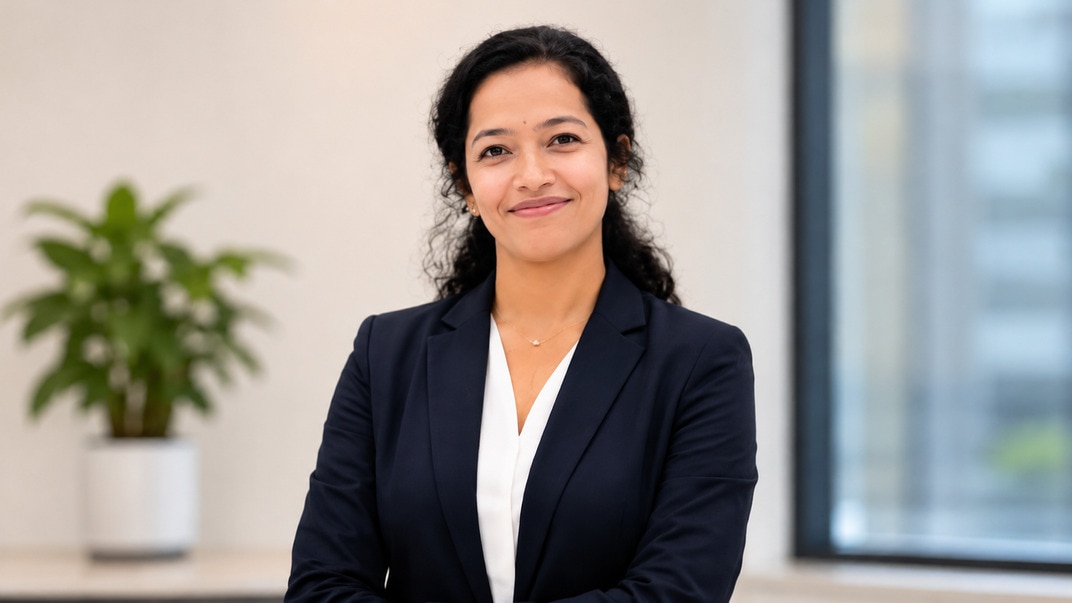
From an IIT Kharagpur food technology graduate to the 2026 TIME100 Next India list, Vidhya Parshuramkar is turning traditional bajra into a solution for rural nutrition. Her shelf-life innovation is bringing millet-based food to schoolchildren while creating new opportunities for farmers and rural women.Her bajra innovation reaches rural kids. Now, IIT Kharagpur graduate is on TIME100 Next India (Image: LinkedIn/@Vidhya Parshuramkar)New Delhi,Nov 25, 2026 11:08 ISTFor millions of children, a school meal is an important source of daily nourishment. But ensuring that these meals provide adequate nutrition remains a challenge. Working towards a solution, Vidhya Parshuramkar, an IIT Kharagpur graduate and food entrepreneur, has earned a place on the 2026 TIME100 Next India list for her efforts to use pearl millet, or bajra, to improve access to nutritious food in rural India.The Maharashtra-based food technologist and social entrepreneur is combining food science, traditional agriculture and entrepreneurship to address nutritional challenges while creating opportunities for farming communities and rural women. Through Agrozee Organics, the company she co-founded, and its flagship initiative, Millets Now, she is working to make traditional grains a more accessible part of children's diets.Her latest recognition follows another important milestone in 2025, when she received the fourth Rohini Nayyar Prize for her contributions to nutrition security, women's empowerment and rural livelihoods.FROM PERSONAL EXPERIENCE TO A FOOD TECHNOLOGY BREAKTHROUGHParshuramkar's interest in nutrition and food innovation has personal roots. Having experienced iron-deficiency anaemia herself, she became interested in understanding how everyday food choices affect health and how accessible nutritional solutions could address deficiencies. This interest led her to IIT Kharagpur, where she completed an MTech in Food Process Engineering between August 2022 and August 2024. Her training in food chemistry, cereal processing and functional foods helped her explore ways to turn traditional agricultural ingredients into nutritious, market-ready products.One grain that caught her attention was pearl millet, or bajra. Rich in iron and other essential nutrients, it has been consumed across India for generations and can grow in challenging climatic conditions. However, its flour has a relatively short shelf life because its natural fat content and the activity of an enzyme called lipase contribute to rancidity. To overcome this limitation, Parshuramkar developed Hydro-NIR technology, which reportedly extends bajra flour's shelf life from around 10 days to six months without preservatives or compromising its iron content. By neutralising the lipase enzyme responsible for deterioration, the process makes the flour easier to store, package, transport and use in large-scale food production.The innovation reflects her broader approach: combining modern food science with traditional ingredients to preserve their nutritional value and make them more accessible.TAKING BAJRA FROM THE LAB TO SCHOOLCHILDRENHer research became a key part of her entrepreneurial journey through Agrozee Organics and its flagship initiative, Millets Now, which connects farmers, food processing and consumers.One of its key programmes, Nutri Dabba, aims to make millet-based foods accessible to schoolchildren through convenient food formats. What began as a pilot serving around 300 children in a Pune village has reportedly expanded to reach approximately four lakh children across rural India.The initiative addresses a persistent challenge in India's nutrition landscape. While government-supported school meal programmes feed millions of children, ensuring adequate dietary diversity and micronutrient intake remains difficult. Iron is particularly important for children's physical growth, brain development and overall health, making access to iron-rich foods essential.Pearl millet, with its naturally occurring iron and other nutrients, offers a locally available option to improve dietary diversity. By extending bajra flour's shelf life, Parshuramkar's innovation also makes it easier to process, package and distribute millet-based foods at scale.Through Nutri Dabba, she aims to bring traditional grains into children's everyday diets. While such initiatives can support better nutrition, tackling malnutrition also requires balanced meals, diverse food groups and sustained public health interventions.SUPPORTING 7,000 FARMERS AND CREATING OPPORTUNITIES FOR RURAL WOMENParshuramkar's work extends beyond child nutrition to strengthening rural livelihoods. Through Agrozee Organics, she works with more than 7,000 smallholder farmers, creating market linkages for traditional grains and supporting the development of value-added agricultural products.The organisation also partners with women-led self-help groups (SHGs), involving rural women in food preparation and production. This approach creates opportunities for income generation and entrepreneurship while connecting agricultural sourcing, food processing and access to nutritious food.By bringing farmers, women-led groups and food production together, Agrozee Organics aims to combine nutrition security with sustainable rural livelihoods.Parshuramkar's work has also received international recognition. She has been recognised as a UN-FAO World Food Forum awardee and has been associated with MassChallenge Switzerland, further strengthening her experience in food innovation and entrepreneurship.ROHINI NAYYAR PRIZE 2025 TO TIME100 NEXT INDIA 2026Before her inclusion in the TIME100 Next India list, Parshuramkar received the fourth Rohini Nayyar Prize in 2025 for her contribution to rural development.Presented on October 31, 2025, in New Delhi, the award recognised her efforts through Agrozee Organics and Millets Now in advancing nutrition security, women's empowerment and rural livelihoods. At 24, she became the youngest recipient of the award and the first woman to receive the honour, according to reports covering the ceremony.Instituted in memory of economist and rural development expert Dr Rohini Nayyar, the annual prize recognises individuals below the age of 40 who have made meaningful contributions to the social and economic development of rural India.The recognition brought wider attention to her work at the intersection of food technology and grassroots entrepreneurship. It also highlighted how young innovators can use scientific knowledge to address challenges that directly affect rural communities.Her inclusion in the 2026 TIME100 Next India list marks another significant achievement, bringing further visibility to her efforts to connect traditional agriculture with modern nutrition solutions.For an IIT Kharagpur graduate whose interest in food innovation developed through academic research and personal experience, the journey represents an expanding effort to translate scientific ideas into practical applications.WHY PEARL MILLET MATTERS FOR INDIA'S NUTRITION FUTUREIndia's traditional grains are gaining renewed attention for their role in nutrition security, sustainable agriculture and dietary diversity. Pearl millet, or bajra, has been cultivated across the country for generations. Its nutritional value and ability to withstand challenging growing conditions make it important for both farming communities and food security.However, traditional grains often face challenges related to processing, storage, market access and changing consumer preferences, limiting their reach. Food-processing innovations can help overcome these barriers by extending shelf life and creating convenient, value-added products. In the case of bajra, longer-lasting flour can make it easier for manufacturers and institutional food programmes to incorporate the grain into their products.For entrepreneurs such as Parshuramkar, the opportunity lies in combining traditional agricultural knowledge with modern food science and sustainable business models. However, the impact of such initiatives also depends on affordability, consistent quality, reliable agricultural sourcing and the ability to reach communities at scale. Millet-based interventions must complement balanced diets, dietary diversity and wider healthcare efforts to address malnutrition.Vidhya Parshuramkar's journey from IIT Kharagpur to the TIME100 Next India list reflects how scientific innovation can serve a larger social purpose. By improving bajra flour's shelf life, taking millet-based products to schoolchildren and creating opportunities for farmers and rural women, she is working to connect nutrition security with sustainable livelihoods.Her work highlights how resources deeply rooted in India's food culture can be reimagined to address modern challenges. Sometimes, innovation is not about discovering something entirely new, but finding better ways to use what already exists.- Ends
Her bajra innovation reaches rural kids. Now, IIT graduate is on TIME100 Next India
Full Article
Original Source
Read the full article at Indiatoday →KhanList aggregates and links to publicly available news content. We do not host full articles from third-party sources. Always verify important information with original sources.