
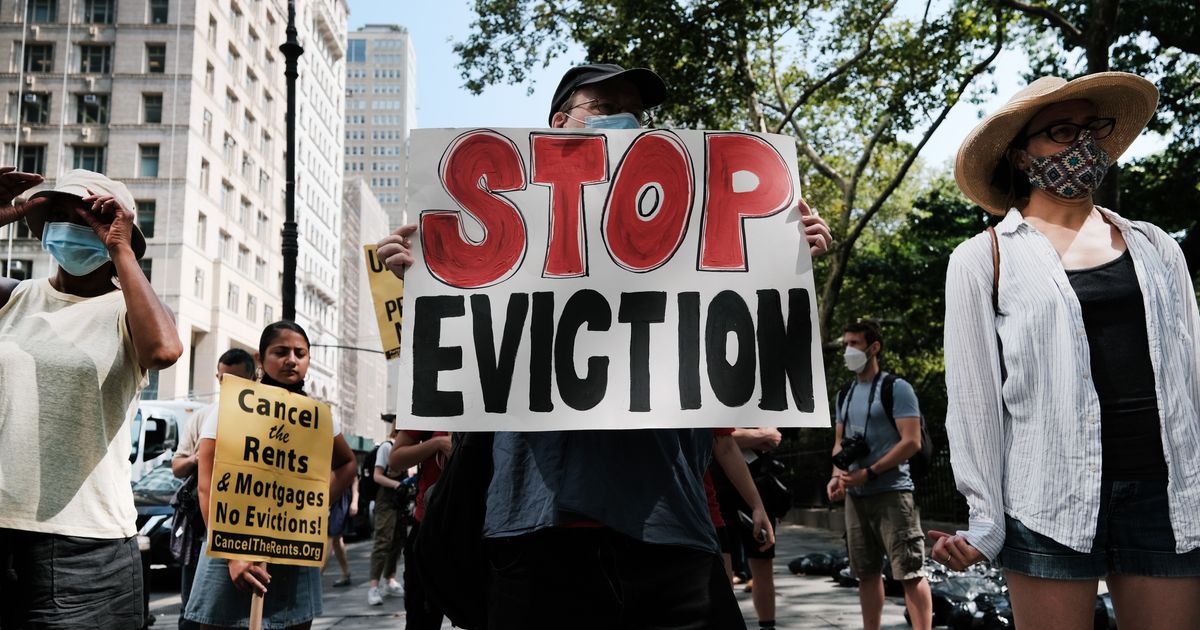
Heat, Smoke, and Snow Have Translated to a Lot More Eviction Delays Photo: Spencer Platt/Getty Images It was another unbearable summer Monday, with the heat index reaching the upper 80s and subway stations feeling particularly broilerish. But for tenants sweating not just from the extreme weather but eviction warrants, too, the brain-melting temperatures in recent months have offered an unexpected relief: temporary respite to stay in their homes. This week marked the 22nd time this year that the Department of Investigation has directed the city’s marshals to stand down from forcing tenants out, according to data from the agency. The number is usually in the single digits, if that, by August; in all of last year, there were five suspensions, and in 2024 and 2023 there were two apiece, when wildfire smoke turned the skies orange and made it dangerous to be outside. Clodagh McGowan, a Department of Investigations spokesperson, tells me the decision to suspend evictions is made together with officials from the city civil court, and extreme weather is a frequent reason. “This year, 2026, has featured a number of extreme cold and heat advisories for prolonged periods of time, which has led to eviction suspensions,” she tells me. The dramatic uptick in the number of pauses suggest that 2026’s climate has been pretty catastrophic, though. Nine of the 22 this year have been for heat, and February’s historic blizzard was the reason for another five. Has the weather been that much more apocalyptic this year? Daniel Bader, a senior staff associate at Columbia’s Climate School, tells me that this past winter, when a prolonged cold snap killed at least 29 people, was indeed tough. Pointing to NOAA data, he explains that there were 15 more days than normal where the minimum temperature was at or below freezing, and 20 inches of snowfall above the usual average in Manhattan. As for this summer, while many people were out in masks because of wildfire smoke, the heat on average actually hasn’t been that much more extreme than recent years: Even though Central Park saw its hottest day since 2012 a few weeks ago, Bader says June and July had average temperatures that were about a degree above and below normal, respectively. Still, he adds, “the increased understanding of how humidity is also combining with heat” — that it can make the real-feel even more intense and should be weighted more — “perhaps is driving some policy here as well.” That may well be the case, since there is no statute on the books guiding when to issue eviction suspensions. As things stand, it’s up to city and judicial officials to decide whether, on any given day, the conditions are extraordinary enough that marshals forcing tenants out of their homes might feel particularly cruel, deadly, or simply impractical. On June 11, when the heat index was forecast to reach 100 degrees, marshals executed warrants for nearly two dozen homes across the city; a week later, however, evictions were suspended during the Knicks’ ticker-tape parade, on the basis that the 2 million people flooding lower Manhattan would cause traffic havoc. Lawmakers in Albany have been looking to make the rules surrounding the suspension of evictions more concrete when it comes to the climate, including one bill introduced earlier this year that would bar evictions during the coldest months and another that would halt them during “extreme weather conditions” and three days after. With the jump in eviction suspensions this year under a new and pro-tenant mayoral administration, it’s hard not to wonder whether it’s driven by politics rather than climate. McGowan, the Department of Investigations spokesperson, says there has been no mayoral directive to suspend evictions and reiterates that the civil courtswould need to sign off on any such decision, too. Whatever the reason, housing attorneys are supportive of the relief it’s given tenants. Munonyedi Clifford, the attorney in charge of Legal Aid’s citywide housing practice, tells me the suspensions not only give people another beat to pack up before the marshals arrive, but also buy time to resolve their case. “That one-day delay can allow a tenant access to a one-shot deal or additional funds, and time to get that money,” she tells me. “It really does matter.” Extreme Weather Has Translated to a Lot More Eviction Delays Your product is saved! You’ll receive emails when your saved products go on sale. Manage preferences.
Heat, Smoke, and Snow Have Translated to a Lot More Eviction Delays
Full Article
Original Source
Read the full article at Curbed →KhanList aggregates and links to publicly available news content. We do not host full articles from third-party sources. Always verify important information with original sources.