
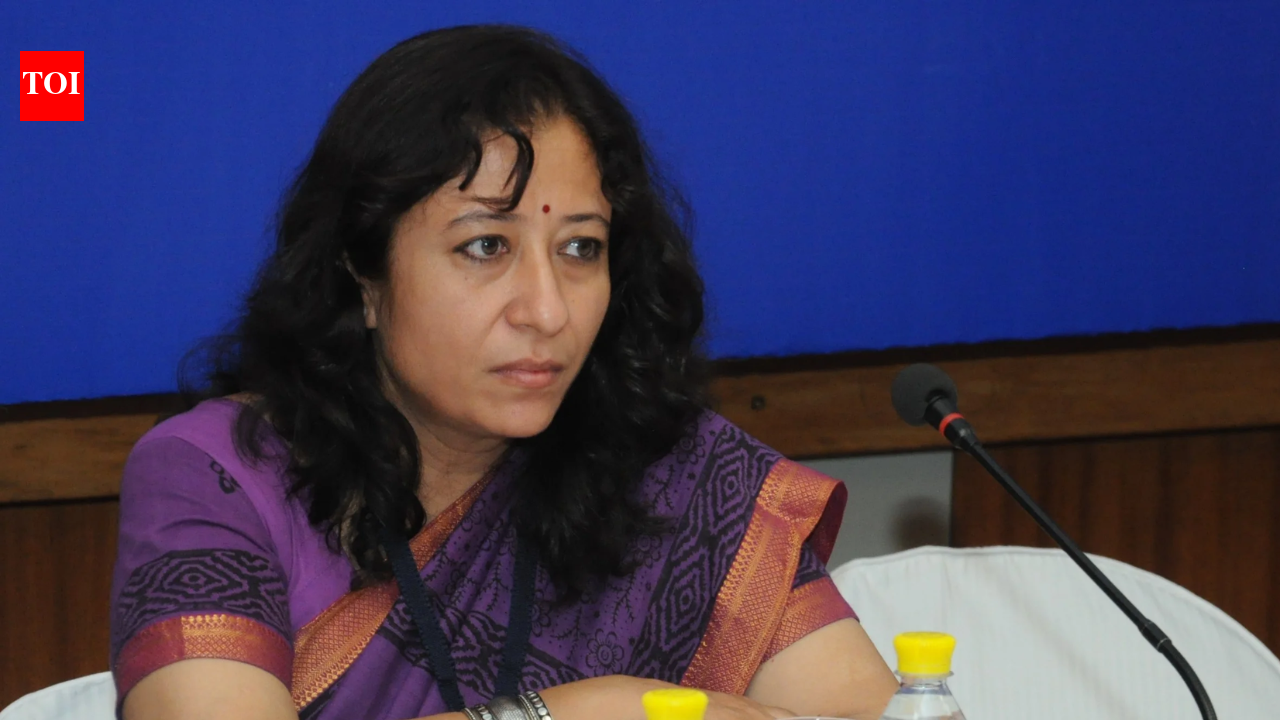
The announcement was made on November 16 at the Earthshot Prize Impact Assembly in Mumbai.When temperatures rise, many women working in informal jobs face a difficult choice: stay home and lose a day's earnings, or go out and work in dangerous heat. For pregnant women, the consequences can be even more serious. An Ahmedabad-based organisation is now trying to address this problem through a new insurance scheme that provides financial support during extreme heat, along with access to cooling facilities and health advice.The initiative, called HERA Materna, has been announced by Mahila Housing SEWA Trust (MHT), led by director Bijal Brahmbhatt. The scheme is being described by The Earthshot Prize as the world's first insurance programme designed specifically to protect pregnant women against extreme heat.The announcement was made on November 16 at the Earthshot Prize Impact Assembly in Mumbai. According to the prize organisation’s official website, the wider expansion of Mahila Housing Trust's heat-resilience work aims to protect a further 100,000 women in low-income communities across Asia. It also includes plans to install 50,000 reflective cool roofs in two Indian cities.How the insurance scheme will help pregnant womenPhoto: CanvaUnlike conventional heat insurance policies, which generally trigger payments at higher temperature thresholds, HERA Materna is designed to pay out at lower temperatures. Philanthropic funding will add to the insurance payouts so that pregnant women can afford to rest on days when the heat becomes particularly dangerous.The support will not be limited to financial payments. According to The Earthshot Prize announcement, women covered by the scheme will also receive access to cooling, medical care, heatwave warnings and health advice throughout their pregnancies.The scheme addresses a specific problem faced by women who cannot easily stop working when temperatures become unsafe. A daily-wage worker or street vendor may lose income if she stays indoors during a heatwave. Financial support during such periods can help reduce the pressure to continue working in dangerous conditions. According to Brahmbhatt, the programme is expected to reach 30,000 women from 2027.The trust is also expanding its existing heat-insurance programme beyond India. According to The Earthshot Prize, it plans to extend insurance coverage to Bangladesh, Sri Lanka and the Philippines, with a target of supporting 60,000 women in these countries by the end of 2027.Why cooling roofs are part of the planPhoto: CanvaInsurance is only one part of Mahila Housing Trust's response to extreme heat. The organisation also works on making homes cooler, particularly in low-income settlements where metal and concrete roofs can trap heat indoors. Its cool-roof intervention uses reflective coatings that bounce sunlight away from the roof. According to the trust's profile on The Earthshot Prize website, these coatings can reduce indoor temperatures by up to 5 degrees Celsius.The organisation has already supported 36,500 cool roofs and provided parametric climate-risk insurance to 49,000 women across Delhi and Gujarat. Its existing insurance product uses independently measured temperature data to trigger automatic payments when agreed thresholds are crossed. Women do not have to prove the exact amount of income they lost to receive the payment.The new expansion will take this work to Nabha in Punjab and Bikaner in Rajasthan. The Earthshot Prize says the trust will work with local governments to plan for extreme heat and install 50,000 additional reflective roofs in these locations.These roofs are intended to reduce indoor heat in homes, while insurance provides financial support when extreme temperatures make it difficult for women to earn.Who is Bijal Brahmbhatt and how did the trust begin?Mahila Housing SEWA Trust was founded in 1994 to address basic infrastructure problems in informal settlements, including access to water, sanitation, toilets and drainage. Its work began in Ahmedabad, where many low-income families lacked these facilities.In an interview with The Week, Brahmbhatt recalled that the organisation's first major partnership was with the Ahmedabad Municipal Corporation. Through this work, it helped approximately 12,000 families gain access to essential household infrastructure.Over time, the organisation's work expanded from housing and civic amenities to women's participation in local governance and climate resilience. It began focusing on climate adaptation around 2014-15, as heat, flooding and other climate-related problems increasingly affected low-income communities.Brahmbhatt told The Week that women and urban governance remain the common thread across the organisation's work. The trust helps women understand how municipal systems function and engage with local authorities to seek solutions for their neighbourhoods. One of its important areas of work has been advocating for extreme heat to be recognised as a disaster so that governments can allocate dedicated funds for heat-resilience measures.The organisation also works with women who spend long hours outdoors, including construction workers and street vendors, and has supported cooling shelters for people vulnerable to extreme temperatures.From local housing work to an international expansionMahila Housing Trust was named a finalist in the 2026 Earthshot Prize's Fix Our Climate category. The recognition has brought attention to its work on reflective roofs, climate-risk insurance and community-led heat adaptation. According to the Earthshot Prize website, its longer-term targets include protecting three million households through cool roofs and reaching 300,000 women with climate insurance by 2030.
Heat-insurance scheme to help pregnant women rest on hot days
Full Article
Original Source
Read the full article at Timesofindia →KhanList aggregates and links to publicly available news content. We do not host full articles from third-party sources. Always verify important information with original sources.