
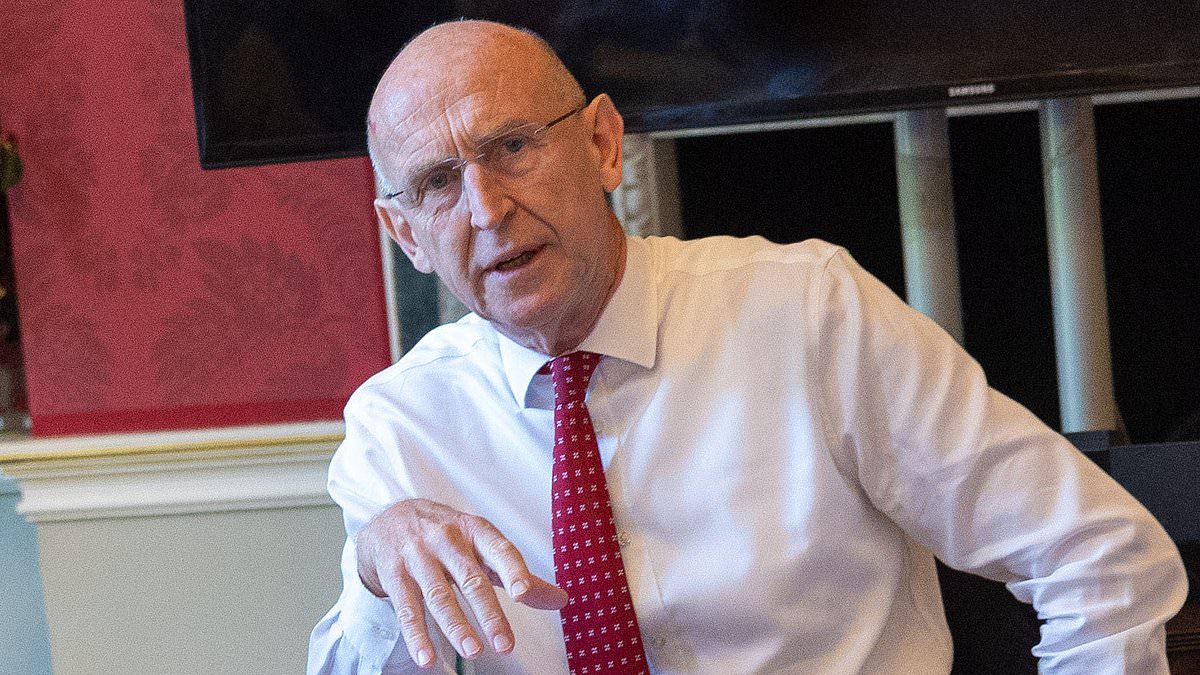
John Healey was accused of risking ‘market chaos’ yesterday as it emerged he may allow Britain’s financial ‘headroom’ to shrink rather than take tough tax and spending decisions at the Budget.In a move described as ‘risky’ and ‘bonkers’ by experts, the Chancellor could allow the buffer he has against meeting fiscal rules to fall well below the £24 billion left by predecessor Rachel Reeves.The idea, floated by government sources in the Financial Times, is that this would reduce the need for tax hikes to rebuild Britain’s threadbare public finances.But Mr Healey was warned that he risked provoking fresh carnage on already-febrile bond markets, pushing up borrowing costs for both the Treasury and homeowners.Tory shadow chancellor Andrew Griffith said: ‘Just like Rachel Reeves, John Healey is trying to fudge the figures rather than cut out-of-control welfare and wasteful spending.‘Labour are asking us all to take a chance with Britain’s public finances, risking market chaos and higher mortgage rates in the process.’ Chancellor John Healey is under pressure to repair Britain's public financesIt comes at a time when UK bonds – known as gilts – are already under pressure, partly due to worries about soaring debt but also due to fears of rising inflation caused by the Iran war, which has sent oil prices surging above $100.Craig Inches, head of rates at Royal London Asset Management, said: ‘The bond market can probably live with slightly less fiscal headroom, but it won’t tolerate the government continually moving the goalposts when the numbers get difficult.‘The danger here is if the bond market smells fiscal slippage under new stewardship, it will punish you. Gilt yields rise, government borrowing costs rise, mortgage rates come under pressure and, perversely, the fiscal hole gets bigger.‘The Chancellor really needs to focus on welfare spending cuts if he wants to get on the right side of the gilt market.’Yields on gilts – which rise as their prices fall – were already elevated before Andy Burnham took office but have since continued to rise.Ten-year gilt yields have risen from below 5 per cent just before he entered Downing Street and earlier this month topped 5.4 per cent, a 19-year high.In recent days they have turned volatile again, largely thanks to global factors including a surge in the oil price to more than $106 a barrel and fears of US interest rate hikes.On Thursday, they swung sharply, heading close to 5.4 per cent again.Markets have been on edge for some time about Mr Burnham’s commitment to sound finances, ever since his notorious comments last year – amid speculation that he would unseat Sir Keir Starmer – that Britain should be less ‘in hock’ to bond traders.Back then, his comments were interpreted as a troubling sign of disregard for the investors who finance Britain – and can bankrupt the country if they turn against it.In a new interview this week, the PM said he stood by the comments though claimed they had been taken out of context.Mr Burnham and Mr Healey have stressed their commitment to Britain’s fiscal rules, which oblige the government to target lower borrowing and debt.Ms Reeves’s spring statement earlier this year left headroom of £24 billion against meeting those rules – a buffer against unexpected and costly events that can send Budget plans off course.Since then, bond market turbulence and lower growth expectations caused by the war are expected to have at least halved that headroom. Deutsche Bank calculates that it has shrunk to just £8.5 billion.Rebuilding the buffer – at the same time as funding plans for council housing, social care, and higher defence spending – would mean tough decisions on tax or spending.The pain would be eased if Mr Healey accepts a lower level of headroom but that could backfire on bond markets. If they dislike the idea, borrowing costs could rise even further creating an even bigger fiscal headache.Rob Wood, chief UK economist at Pantheon Macroeconomics, described allowing the buffer to shrink as ‘bonkers’, adding that a margin of error of less than £20 billion in a £3 trillion economy is ‘tiny’.He added: ‘To baulk at raising taxes or cutting spending now because of the political cost makes it very hard to believe the government will be able to deliver the spending restraint and tax rises pencilled in for several years’ time.’Julian Jessop, economics fellow at the Institute of Economic Affairs, a free-market think-tank, said letting the headroom shrink was ‘tempting but risky’.Mr Jessop said while it was ‘at least worth considering… it could also send a damaging signal about Healey’s and Burnham’s commitment to fiscal discipline at a time when markets are already on edge’.A Treasury spokesperson said: 'We do not comment on rumour, speculation or anonymous claims regarding the fiscal headroom.'
Healey accused of risking 'market chaos' as he considers allowing Budget headroom to shrink rather than taking tough tax and spend decisions
Full Article
Original Source
Read the full article at Dailymail →KhanList aggregates and links to publicly available news content. We do not host full articles from third-party sources. Always verify important information with original sources.