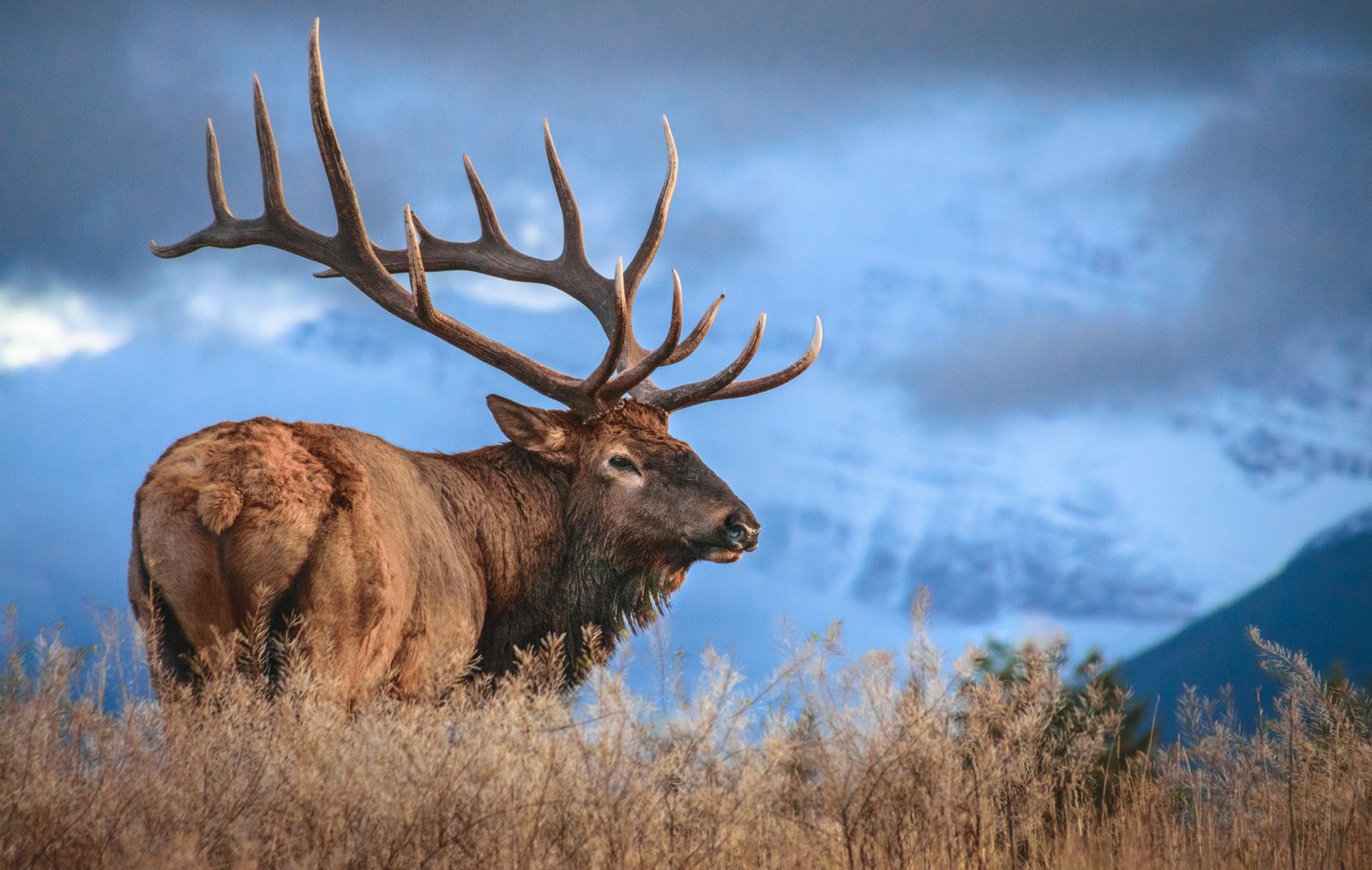
While many people worry about grizzlies, an analysis of almost 3,000 encounters with aggressive wildlife in Canadian national parks and historical sites found that the huge ungulates were responsible for more than half of them A male elk in Jasper National Park in Alberta, Canada Feng Wei Photography via Getty Images When most people think of the threats they might encounter in a national park, grizzly bears might be at the top of their list. But new research suggests that they should worry about a different animal: elk. A study of human-wildlife conflicts recorded by Parks Canada found that the huge, hoofed creatures were responsible for more than half of aggressive encounters with animals from 2010 through 2023. The findings, published on July 1 in the journal Frontiers in Conservation Science, can help park managers focus their safety education and allow parkgoers to better coexist with animals. Human-wildlife conflict is increasing across the world, driven primarily by habitat loss and climate change. At the same time, interactions in national parks are becoming a growing challenge for conservation. Aggressive encounters with wildlife can harm conservation goals, as these animals are often killed, and the behaviors require the creatures to expend extra energy. Despite this mounting issue, little is known about whether certain recreational activities, particular wildlife species or combinations of the two are more likely to result in aggressive encounters. To fill that knowledge gap, two researchers analyzed 14 years’ worth of human-wildlife conflicts recorded at 25 national parks and historical sites in Canada. They filtered for incidents involving elk, black bears, grizzlies, coyotes and mule deer, since they represented the bulk of the data, leaving them with nearly 3,000 data points. Analysis revealed that elk were responsible for 62 percent of those aggressive encounters, while grizzly bears came in second at just 14 percent. The documented human-wildlife conflicts rarely involved high-energy human activities, such as mountain biking and boating, which cause major disturbances to animals, the team found. A quarter of the encounters happened during low-disturbance activities like hiking and wildlife observation, and 22 percent occurred near towns. On the other hand, adventure sports accounted for just 4 percent of aggressive encounters. “By identifying situations where a potential conflict scenario is more likely, we can help visitors make informed decisions that improve safety whilst also reducing unnecessary disturbance to wildlife,” says study co-author Holly Landles, previously at the University of York in England, to Libby Riddle at Science News.The researchers pinpointed specific combinations of activities and animals that put people at a higher risk. Elk showed the highest predicted rates of aggressive encounters across several activities, including camping, park operations and townsite activities such as being at a playground. The study notes that previous research has shown that campgrounds can increase aggressive behaviors, likely because they involve food attractants, prolonged human presence and concentrate humans and animals in a small area. For elk specifically, this effect might be even stronger since Canada’s camping season, June to September, coincides with their mating and birthing season—a time of pre-existing heightened aggression. Grizzly bears also showed a high-risk, high-aggression combination with low-disturbance activities. Coyotes were predicted to pose a moderate risk to people around camping sites, which tracks with past studies suggesting that they tend to avoid humans rather than show aggression. Mule deer also seem to shy away from people. However, the data showed they displayed higher rates of aggression around dogs, which the researchers attribute to their resemblance to natural predators. “Now we can point to precise high‑risk pairings, such as elk visiting townsite areas or mule deer encountered during dog walking,” says study co-author Shashank Balakrishna, a conservation biologist at the University of York, in a statement. “This allows park managers to focus resources, signage and education where they are most needed.” People tend to underestimate how aggressive elk can be, explains Parks Canada wildlife management specialist David Gummer to Mark Heinz at Cowboy State Daily. “Elk are massive, and they’ve got those hard hooves. They can inflict serious damage with those stomps and kicks.” Common elk attack injuries include broken bones, lacerations and concussions, according to Gummer, who helped collect data for the study. The researchers recommend a few instructions to follow to safely enjoy parks: Use whistles to announce your presence, hike in large groups, keep dogs on a short leash and pay attention to park updates and trail signage. And keep in mind that the same species might behave differently in other environments. Ron Dean, a biologist who retired from the Wyoming Game and Fish Department and wasn’t involved in the study, tells Cowboy State Daily that he doesn’t “ever recall a situation of elk being aggressive at a feedground.” That’s probably because they are in the wilderness and hunted by humans across most of their range in the state, so they’re wary of humans, he adds. But elk that grow up around people near townsites can have more aggressive attitudes. Overall, the study offers a framework for how humans and animals can share spaces. “Our findings highlight the importance of visitors being well informed and seeking advice from park staff when they are uncertain,” Landles tells Science News. You Might Also Like Get the latest stories in your inbox every weekday. More about: Animals Bears Canada Conservation National Parks Nature Wildlife
Heading to a National Park? Watch Out for Elk. They Attack People Way More Often Than Bears Do, According to a New Study
Full Article
Original Source
Read the full article at Smithsonianmag →KhanList aggregates and links to publicly available news content. We do not host full articles from third-party sources. Always verify important information with original sources.