
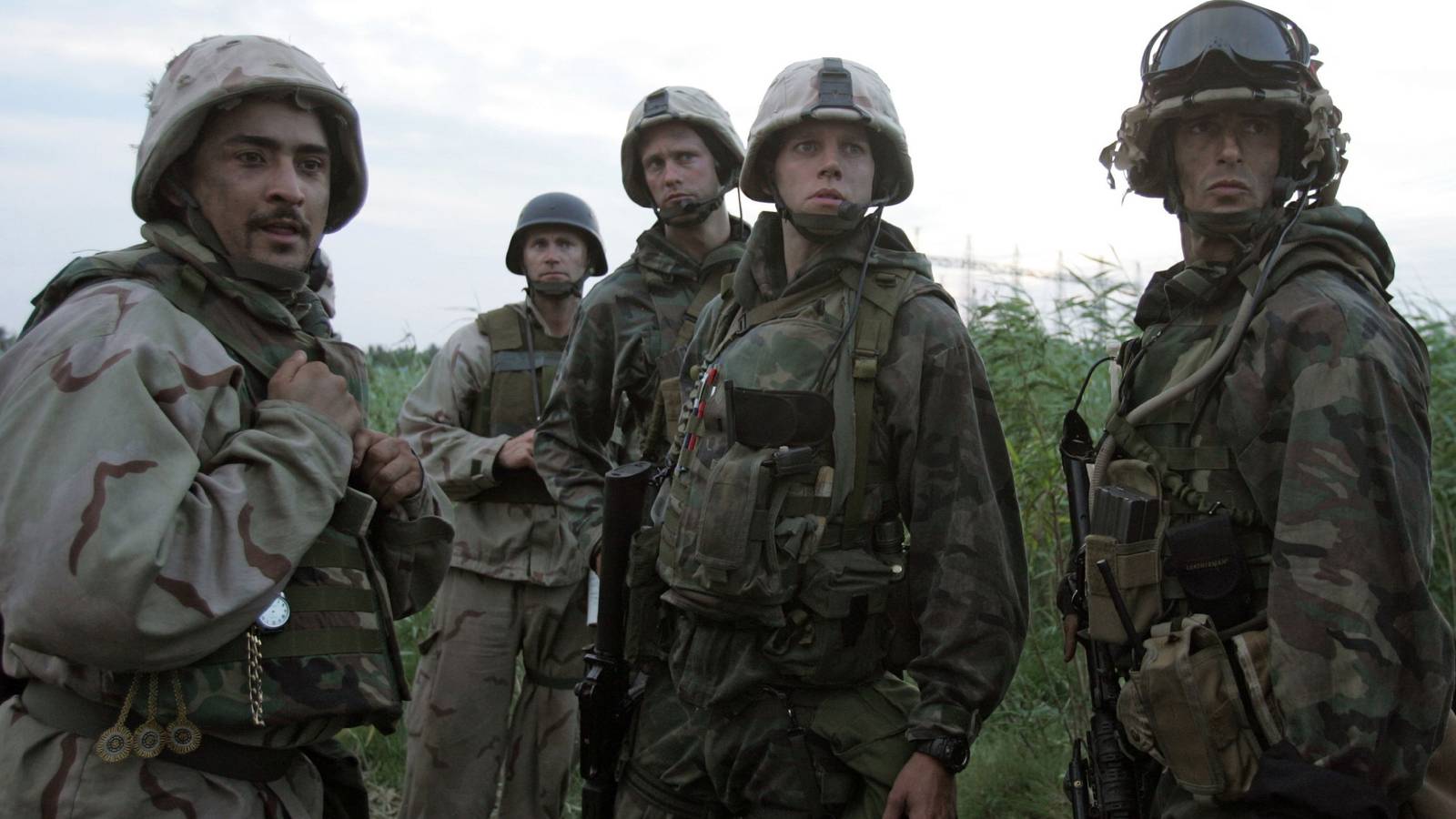
Published Aug 1, 2026, 1:15 PM EDT Ben Sherlock is a Tomatometer-approved film and TV critic who runs the massively underrated YouTube channel I Got Touched at the Cinema. Before working at Screen Rant, Ben wrote for Game Rant, Taste of Cinema, Comic Book Resources, and BabbleTop. He's also an indie filmmaker, a standup comedian, and an alumnus of the School of Rock. Sign in to your ScreenRant account HBO changed television when it made Band of Brothers. Not only did Steven Spielberg and Tom Hanks’ gripping World War II drama establish HBO as the go-to place for a bingeable miniseries; it also introduced a cinematic sense of scale and spectacle to the small screen. Before Band of Brothers came along, there wasn’t such a thing as production values on television — TV shows were basically just filmed plays — but Band of Brothers proved that a TV show could look just as incredible as a movie. Ever since Band of Brothers went off the air, HBO has been trying to recapture its success. Spielberg and Hanks went on to executive-produce two more WWII shows — The Pacific, also on HBO, and Masters of the Air at Apple — to complete a sort of spiritual trilogy. But, while those shows were both really good, they didn’t quite reach the heights of Band of Brothers. The spectacle wasn’t as mind-blowing, and the character development wasn’t as deep. What made Band of Brothers so great wasn’t just that it had the panache of a big-budget blockbuster. It may look like a movie, but it’s much longer than a movie, and the filmmakers used those extra seven or eight hours to really dig into these characters and their blossoming camaraderie and the mental toll of the fog of war, and only one other HBO miniseries has gotten that right. Band of Brothers’ true successor wasn’t The Pacific or Masters of the Air; it was Generation Kill. Generation Kill Is Gripping TV, But Hard To Rewatch After finishing up The Wire, arguably the finest achievement in the history of television, David Simon wasted no time going back to the drawing board and coming up with another masterpiece for HBO to put on the air. For his follow-up to The Wire, Simon left behind the institutional problems within the U.S. itself and turned his journalistic eye to the chaos that the U.S. was causing overseas. Generation Kill is a seven-episode adaptation of Evan Wright’s book of the same name. Wright was an embedded reporter on the ground with the Marine Corps’ 1st Reconnaissance Battalion during the 2003 invasion of Iraq, so he experienced that controversial conflict firsthand. Generation Kill takes the same cynical approach to the Iraq War that Apocalypse Now and Full Metal Jacket brought to the Vietnam War, contrasting the conflicted souls on the battlefield with the flagrant injustices of the war they’re fighting. While Generation Kill is one of the best miniseries that HBO has to offer (and that’s saying a lot), it’s difficult to rewatch. Much like Chernobyl and True Detective and Mare of Easttown and 90% of HBO’s programming, it’s so unrelentingly bleak that, as brilliant as it is, it’s just not fun to watch — it’s hardly a comfort show. You can watch The Office a million times, but once is enough for Generation Kill. How Generation Kill Continues The Spirit Of Band Of Brothers Generation Kill recaptures what made Band of Brothers work so well; it just transplants it into a more recent war. In Band of Brothers, we get a sense of the geopolitics of the larger conflict, but we also get a sense that those decisions are way above these guys’ paygrade. They’re just boots on the ground, following orders, and all they have is each other. The success of Band of Brothers is in capturing that titular brotherhood, and Generation Kill did it just as beautifully. Band of Brothers works because of its cast — you really believe these closeknit bonds growing between them — and the same goes for Generation Kill’s stacked ensemble, featuring a then-up-and-coming Alexander Skarsgård, Wilson Bethel before he played Bullseye, and the late, great James Ransone, who’d previously worked with Simon on The Wire. Generation Kill Release Date 2008 - 2008 Network HBO Cast James Ransone Josh Ray Person
HBO's True Band Of Brothers Sequel Is Hard To Watch More Than Once
Full Article
Original Source
Read the full article at Screenrant →KhanList aggregates and links to publicly available news content. We do not host full articles from third-party sources. Always verify important information with original sources.