
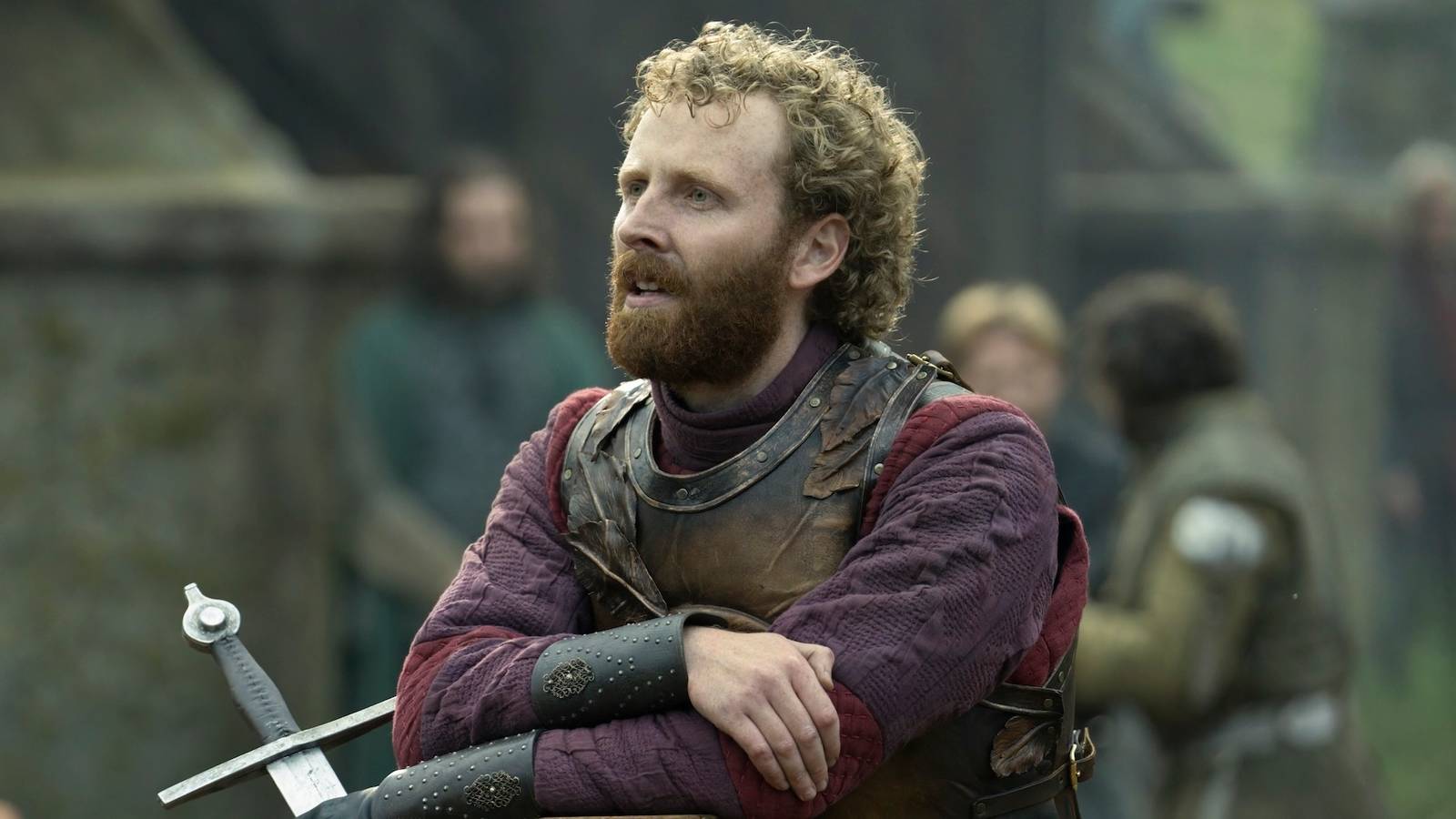
Published Sep 29, 2026, 7:15 PM EDT Cathal Gunning has been writing about movies, television, culture, and politics online and in print since 2017. He worked as a Senior Editor in Adbusters Media Foundation from 2018-2019 and wrote for WhatCulture in early 2020. He has been a Senior Features Writer for ScreenRant since 2020. While HBO’s latest Game of Thrones spinoff was already likely to prove a hit with audiences, the show still deserves credit for completely disregarding the safe formula established by earlier successes in the franchise. When the series debuted in 2011, season 1 of HBO’s adaptation of author George RR. Martin’s A Song of Ice & Fire was the single most expensive TV series of all time. Since then, Game of Thrones has long been outstripped by later Stranger Things seasons, not to mention Prime Video’s Lord of the Rings prequel The Rings of Power. At the time, this was a massively risky investment, since R-rated, big-budget fantasy shows were essentially non-existent before Game of Thrones. While FX’s anthology American Horror Story might have been as gory and boundary-pushing as Game of Thrones, that horror series came with a much, much lower price tag. Furthermore, horror had historically proven to be an easier sell to adult audiences on cable television, judging by hits like Tales from the Crypt and Masters of Horror. Game of Thrones, in contrast, was a colossal risk. Luckily, it was also one that paid off handsomely for HBO, becoming one of the most successful TV shows in the history of the medium. Game of Thrones broke all manner of records with its huge viewership and, for its first few seasons, maintained a critical reputation as stellar as its ratings. Although later fantasy shows have outdone Game of Thrones, the show’s second spinoff, A Knight of the Seven Kingdoms, deserves credit for maintaining the franchise’s audacity. A Knight of the Seven Kingdoms Is Much Lighter and Funnier Than Earlier Game of Thrones Shows When the first Game of Thrones spinoff, House of the Dragon, arrived, it was clear that the prequel series intended to alter the franchise formula, but not too radically. House of the Dragon had a slightly smaller cast, but the spinoff still focused on two sides of a Westeros-wide war. Each season still built toward an epic battle, and the show’s number of characters was still well in excess of most, more modest shows, something reflected by House of the Dragon’s huge budget. In contrast, the second Game of Thrones spinoff, A Knight of the Seven Kingdoms, is a true anomaly in the franchise. Based on Martin’s more playful Tales of Dunk and Egg novella series, A Knight of the Seven Kingdoms follows Peter Claffey’s hulking “Knight,” Ser Duncan the Tall, and his young squire, Dexter Sol Ansell’s Prince Aegon “Egg” Targaryen. Dropping the downbeat tone of Game of Thrones in favor of an adventure story that calls to mind A Knight’s Tale, the spinoff is the most straightforwardly fun series in the franchise so far. Many of the shows that followed in the footsteps of Game of Thrones, such as Netflix’s The Witcher and Starz’ Outlander, attempted to equal or outdo the original show’s intensity to prove their bonafides. Eager to be seen as serious, prestige shows rather than mere fantasy fluff, these series were never averse to moments of brutal violence and dark, shocking plot twists. In contrast, A Knight of the Seven Kingdoms, ironically, often feels like the anti-Game of Thrones with the story’s comparatively upbeat focus on friendship, teamwork, and resilience. Admittedly, there are some disgustingly gory moments in season 1, and the fact that one character is introduced midway through an unfortunately timed toilet break proves that the show can be just as scatological as its predecessor. A Knight of the Seven Kingdoms’s Tone Shift Suits Its Story Image courtesy of HBO However, A Knight of the Seven Kingdoms is never as punishingly bleak as Game of Thrones or House of the Dragon, and this makes sense for the scale of the show’s story. Part of the reason that both earlier franchise outings were so sad was that there were typically redeemable characters in every warring faction. As epitomized in the senseless attack on King’s Landing during the penultimate episode, Game of Thrones consistently reminded viewers that there were blameless soldiers and civilians massacred as a result of the titular political machinations. Since A Knight of the Seven Kingdoms is the first series in the franchise that isn’t a sprawling epic, but rather a focused character study, the show can afford to be much more fun instead of constantly reminding viewers of the moral complexity in Westeros politics and society. Although A Knight of the Seven Kingdoms has nods to Game of Thrones lore, the show’s tone fits a fun, thrilling quest, rather than an intense, Dickensian attempt to chronicle the characters on every side of a complex political divide. There are some obvious heroes and villains in Game of Thrones, but much of what made the show such a breath of fresh air in 2011 was its very complexity. The HBO series brought the immersive, broad scale of The Wire to a fantasy setting, dropping the simplistic morality of traditional adventure narratives in favor of something more complicated and nuanced. A Knight of the Seven Kingdoms Highlights A Trend In Fantasy Shows Image via MovieStillsDB However, this then became the norm among fantasy shows in the years that followed, until eventually, copying the moral ambiguity and sprawling scope of Game of Thrones was the new cliché. Since then, shows like AMC’s Interview with the Vampire, The Mighty Nein, and the earlier Critical Role series The Legend of Vox Machina have all seen a shift toward more individual, though no smaller, stories in R-rated fantasy shows. All the critical hits listed above have tons of in-universe lore, but their on-screen stories crucially focus on the relationships between just a small handful of characters, rather than dozens of characters across dozens of locations. Similarly, A Knight of the Seven Kingdoms takes this promising fantasy TV show trend even further as the series takes the iconic setting of the Game of Thrones shows and makes it home to a more character-centric, focused tale of one antihero’s rise to prominence. Ser Duncan’s story is a humble one in comparison to House of the Dragon’s history lesson or the complex lore of Game of Thrones itself. However, this isn’t just a permissible change, but rather an outright welcome one. In dropping the tonal and stylistic approach of Game of Thrones in favor of something more intimate, A Knight of the Seven Kingdoms reignited interest in the franchise with a risky perspective shift. Release Date January 18, 2026 Network HBO Showrunner Ira Parker Cast Peter Claffey Ser Duncan 'Dunk' the Tall Directors Owen Harris Writers George R. R. Martin, Ira Parker Franchise(s) Game of Thrones Creator(s) George R. R. Martin, Ira Parker
HBO's R-Rated Fantasy Spinoff Deserves Credit For Not Taking Itself Too Seriously
Full Article
Original Source
Read the full article at Screenrant →KhanList aggregates and links to publicly available news content. We do not host full articles from third-party sources. Always verify important information with original sources.