
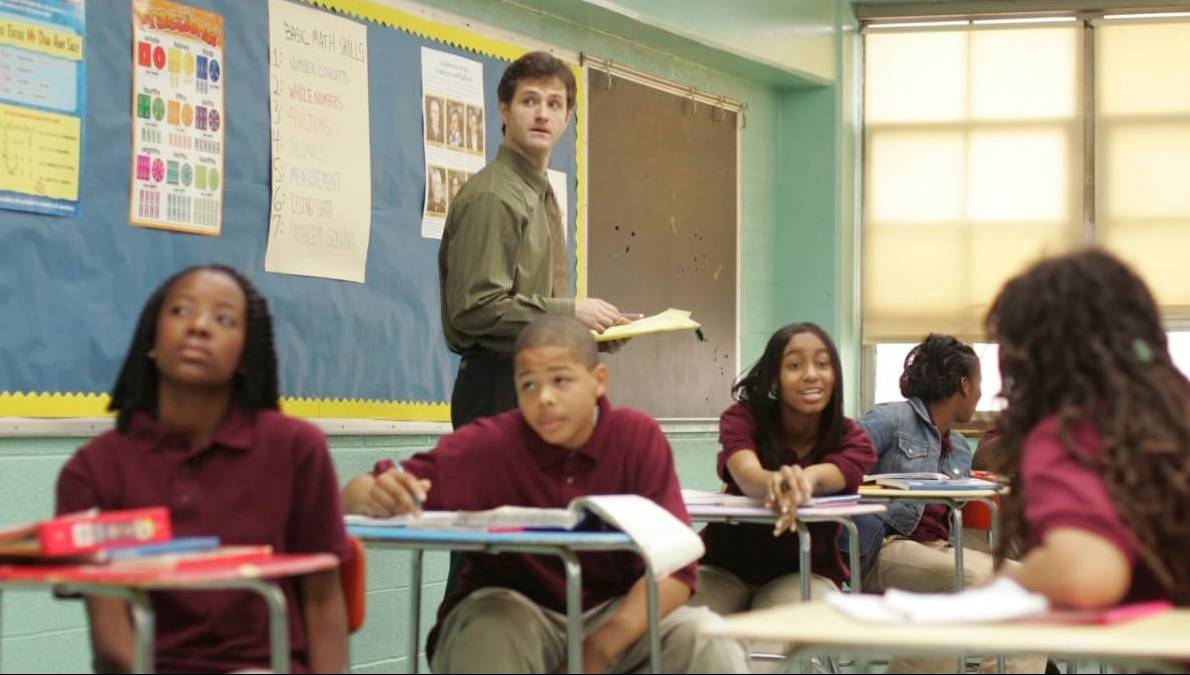
Published Nov 13, 2026, 7:20 PM EST The Wire’s fourth season provided a far deeper look at Baltimore’s problems 20 years ago, HBO released one of the best seasons in TV history The Wire’s fourth season provided a far deeper look at Baltimore’s problems Image: HBO At the turn of the 21st century, HBO was the place for prestige crime drama. The launch of The Sopranos in 1999 paved the way for the 2002 premiere of The Wire, which focused on drug dealers in Baltimore and the police officers trying to disrupt their operations. The series is still one of the best shows of all time, and provided breakout roles for huge stars like Idris Elba and Michael B. Jordan. But while it was compelling from the beginning, The Wire truly achieved perfection in season 4 when the scope expanded beyond the drug trade to examine the cycle of institutional failure. Season 1 of The Wire was tightly focused on the drug empire of Avon Barksdale (Wood Harris) and his business-savvy second-in-command Stringer Bell (Elba). Showrunner David Simon quickly established a brilliant mix of humor and pathos. The show could find comedy in something as simple as cops struggling to get new furniture into their office, and then gut audiences with the death of a relatable drug dealer. Season 2 shifted the focus to the city’s port system, a jarring change as many characters faded into the background to make room for the tragic tale of the Sobotka family. Season 3 was the most tightly linked to the show’s first season, largely completing the story of the Barksdale gang. That made season 4 perfect for a soft reboot, a shift that was defined by star Dominic West all but disappearing after his relentless detective, Jimmy McNulty, was demoted for pissing off his bosses too many times. The detectives he previously worked with in the major crimes unit continue their work, investigating a vicious new gang that’s filling the void Barksdale left behind. Lester Freamon (Clarke Peters) effectively steps into the McNulty role of pursuing the truth, even when his supervisors would love for him to be a little less dogged, bringing a new methodical nature to the investigations instead of McNulty’s brash confidence. But while the cops vs. criminals beats are familiar, they become just one part of a far more ambitious season that fully capitalized on Simon’s knowledge of the city. (Simon worked as a journalist at The Baltimore Sun for 12 years before creating The Wire.) The Wire season 4 explores failures at every level Image: HBO The season’s largest secondary plot involves the students at a Baltimore middle school where former cop Roland Pryzbylewski (Jim True-Frost) begins teaching. The young actors do a phenomenal job establishing likable characters in terrible circumstances. You want to root for all of them, from the ambitious Randy Wagstaff (Maestro Harrell) to the fiercely protective Michael Lee (Tristan Wilds). By the end of season 4, the system has profoundly failed almost all of these kids, driving them to lives of addiction and violence. The Wire was always good at making most of its characters sympathetic, but seeing children trapped in such a brutal cycle really drives home the show’s themes of how crime thrives when institutions fail. That theme also plays out in the mayoral campaign of Tommy Carcetti (Aidan Gillen). Carcetti was introduced in season 3 as an ambitious city council member, but he really shines in season 4 as he runs on reforming the Baltimore Police Department — and then quickly breaks his promises. Gillen’s oily performance as a political survivor who would doom his city to satisfy his own ambitions was what landed him the role of Littlefinger in Game of Thrones. Carcetti is even more compelling a character because he feels like a man who could have done good if he’d been willing to make sacrifices rather than feed his own ego. Image: HBO The Wire season 4 is able to build so many new arcs because of the strong foundation established in the previous three seasons. The show is dense with rich characters who have grown significantly over the years even as they continue to struggle with many of the same problems. The cops and drug dealers alike feel world-weary as they deal with a more violent new generation represented by Marlo Stanfield (Jamie Hector) and his vicious enforcers Snoop (Felicia Pearson) and Chris Partlow (Gbenga Akinnagbe). Combined with the dark fate of most of the kids and Carcetti’s broken promises, the season creates the bleak feeling that everyone is trapped in a cycle of misery and decay. Season 5 gave most of The Wire’s characters satisfying ends to their arcs and delivered a scathing critique of the downfall of American newspapers, commentary that has only become more profound 20 years later. But overall, it’s a big step down from season 4, spending too much time on a goofy fake serial killer plot and not enough on the nuanced character-driven stories that made season 4 feel so authentic. There are no bad seasons of The Wire, but season 4 perfectly achieved the show’s goals. It’s an alternately funny, tragic, and profound look at the complex ways that people are betrayed by systems that never really give them a chance to succeed. The Wire is streaming on HBO Max.
HBO’s 5-Part Crime Drama Has One of the Best Seasons in TV History
Full Article
Original Source
Read the full article at Polygon →KhanList aggregates and links to publicly available news content. We do not host full articles from third-party sources. Always verify important information with original sources.