
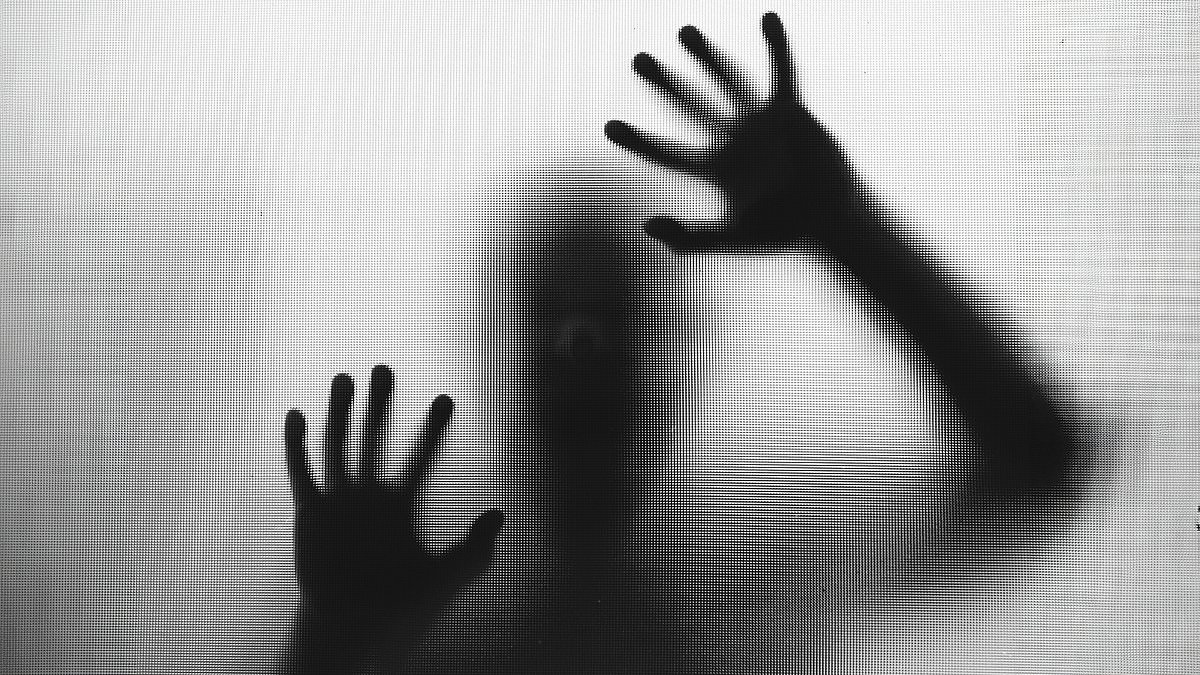
From Casper to Harry Potter, ghosts in film and TV are usually portrayed as floating white figures. But a new analysis – just in time for Halloween – suggests that supernatural sightings actually take a range of ominous forms.Paranormal investigator and historian, MJ Wayland, has analysed over 2,000 first–hand supernatural encounters gathered from the last 30 years to uncover the most common apparitions.According to the expert, comforting or 'friendly' encounters are becoming a thing of the past, replaced by far more terrifying experiences.Mr Wayland's analysis shows that 'shadow figures' are now the most common form of ghost sighting.Today, these formless, faceless figures feature in 14 per cent of all accounts of supernatural experiences – more than doubling from six per cent in the 1990s.In contrast, glowing white spectres or ghosts resembling real humans have all but vanished. Mr Wayland told the Daily Mail: 'What we're seeing is this shift away from friendlier ghosts.' An analysis of over 2,000 first–hand supernatural encounters gathered from the last 30 years shows that mysterious shadowy figures are now the most common form of encounter (stock image) From Casper to Harry Potter (pictured), ghosts in film and TV are usually portrayed as floating white figures. But a new analysis suggests that supernatural sightings actually take a range of ominous formsMr Wayland collected over 1,000 ghost stories posted to the earliest paranormal internet forums between 1994 and 2012.He then compared these with 1,000 more stories posted to Reddit between 2024 and 2026, to see how ghost sightings have changed over time.He found that the typical ghost encounter has changed a lot since the early days of the internet.'In the 1990s, most of the ghosts were more like human figures, meaning it would be very difficult to tell if it were a real–life person such as a burglar,' says Mr Wayland.There were 238 accounts of the original 1,000 older posts that described the appearance of a figure, and almost all of those recorded a solid figure that looked like a living person.White, glowing or see–through beings also appeared in many of the reported sightings, making up 24 per cent of all ghost sightings that described a figure.Interestingly, in 91 of those cases it was reported that the figure looked like a dead relative or loved one.But these familiar or even comforting apparitions appear to have gone into a significant decline since 2012. Paranormal investigator and historian MJ Wayland analysed over 2,000 first–hand ghost sightings, showing that the number of sightings involving shadow figures has doubled since the 1990s Glowing white spectres or ghosts resembling real humans have all but vanished (pictured: the 1995 movie, Casper)By 2026, sightings of human–like figures were down by a quarter, reports of glowing figures down by a third, and the number of people who say they saw a dead relative also fell.Mr Wayland said: 'If you see something glowing white, you'd almost think it was heavenly or angelic. Or if you saw somebody that passed away, you might actually be comforted, but those are in decline. 'Compared to then, there is this massive increase in shadow figures.'These dark figures are described as being like the outline of a person, with no discernible features or recognisable clothing, and are very often reported to be faceless.Of the 342 recent reports that describe seeing a figure, 50 per cent said they saw a shadowy silhouette with no detail, up from just 29 per cent in early internet reports.'The ghosts are getting boring,' Mr Wayland jokes.'The fact is that ghosts are becoming more mundane and we're no longer seeing glowing white ladies.' Sceptics might point out that reports of shadowy figures sound remarkably similar to the visions reported by people suffering from sleep paralysis. Mr Wayland suggests that 'friendly' ghost sightings have declined over the last three decades, with solid, human–like figures and glowing figures going into decline The most common ghost sightings 1994–2012A solid living figure that looked like a living person: 47%A shadowy silhouette with no detail: 29%White, glowing or see–through: 24%2024–2026A shadowy silhouette with no detail: 50%A solid figure that looked like a living person: 35%White, glowing or see–through: 15%Figures given as % of cases which described a figure's appearanceSource: MJ Wayland During sleep, the brain temporarily sends signals to paralyse the muscles so that people don't act out their dreams and hurt themselves. This means that people can sometimes awaken to find themselves unable to move or speak despite being conscious and aware of their surroundings. Strangely, this is accompanied by an intense feeling of fear, the feeling of being pushed down, and vivid hallucinations.Those hallucinations frequently include a powerful sensation that there is someone in the room and even visions of a shadowy figure looming over the sleeper.However, Mr Wayland says that so–called 'sleep paralysis demons' alone can't account for the rise in shadowy visions. While a large number of shadow figure encounters occurred while people were on the edge of sleep, the analysis suggests that more than half happened while people were awake and going about their day.Additionally, the number of people who say they saw shadow figures while awake was twice as high in the newer reports, suggesting that a rise in sleep–related experiences alone isn't the explanation.'Sleep paralysis explains some shadow figures, but it can't explain why they've more than doubled. Most of the people who saw one were wide awake, and that group shows the same rise,' says Mr Wayland. The data also showed that the number of encounters in which people were at home and in the bedroom has remained the same For Mr Wayland, who considers himself to be a 'sceptical believer' in the existence of ghosts, the explanation for this shift is not that ghosts are changing, but rather that the people who see them are.He compares a paranormal experience to a 'glitch' in reality, which exposes someone to an experience they can't easily make sense of.When people encounter something so strange, Mr Wayland suggests that they reach for the descriptions that they are most familiar with.And in the case of ghosts, those expectations are hugely influenced by what we watch in movies and hear about online.Mr Wayland says: 'The phrase "shadow people" was already turning up on ghost forums in the late 1990s, and since then the idea has spread through late–night radio and online horror stories.'When people see something they can't explain, they describe it with the words and pictures they already have, and today that is far more likely to be a shadow than a grey lady.'
Have YOU seen a ghost? Analysis of 2,000 first-hand supernatural encounters reveals the most common sightings
Full Article
Original Source
Read the full article at Dailymail →KhanList aggregates and links to publicly available news content. We do not host full articles from third-party sources. Always verify important information with original sources.