
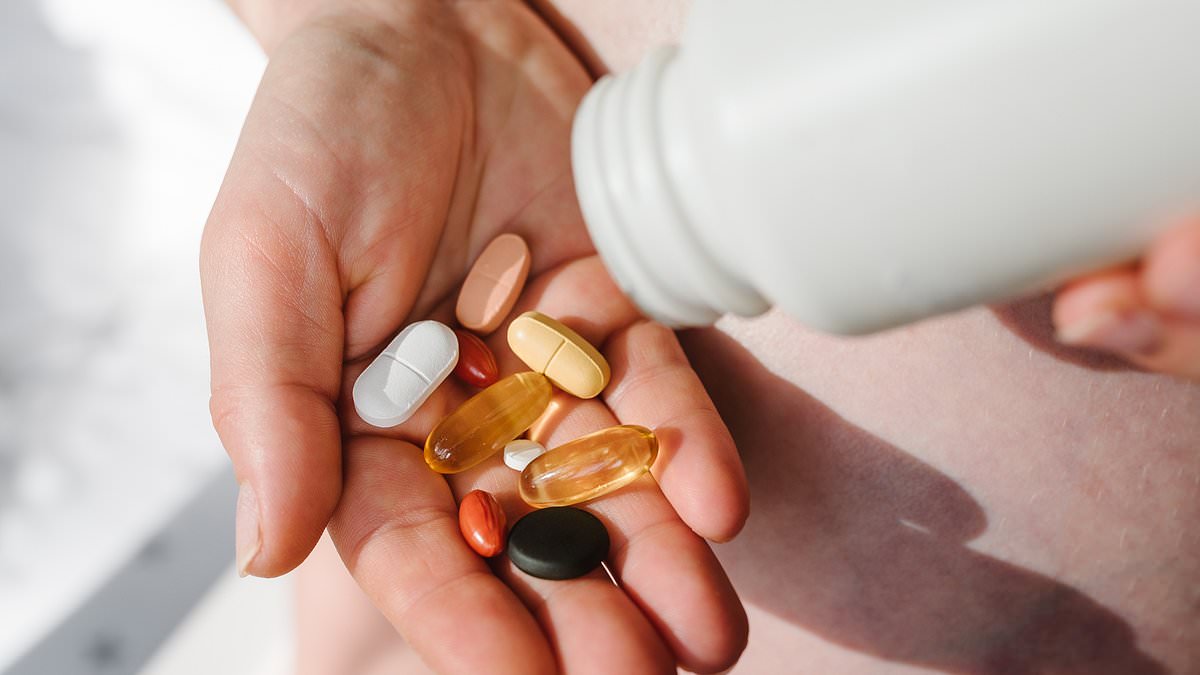
If TikTok is to be believed, your reflection can reveal almost everything about your health.Puffy face? Blame the stress hormone cortisol. Hollow cheeks? Too much Ozempic. Dark circles and pale skin? Apparently you've got 'ferritin face' - the latest viral trend that claims the telltale signs of low iron are plastered all over your features.As a health journalist, I was extremely sceptical when I noticed this social media craze which has sparked thousands of social media videos showing the 'before and after' effects of iron supplements.My wariness was validated by the recent words of The Mail's GP columnist Dr Ellie Cannon, who took to Instagram to declare the trend 'a phoney concept that is total BS'.But then I came across an old selfie that somewhat changed my mind. The picture was taken in October last year - around the time I was, in fact, diagnosed with dangerously low iron.I had all the signs of ferritin face: pale, drawn, with dark, almost purple shadows beneath my eyes, looking far older than my 43 years. It's certainly a far cry from the reflection I see now - months after I began taking supplements - brighter skin with colour in my cheeks. The eye bags are pretty much gone.So what's the truth? Did I imagine my changing face, or is there actually something to it?Emma Gritt, 43, suffered dangerously low iron - but did it really show in her face?What is ferritin - and could having low levels affect my face?Firstly, ferritin is different to iron.Iron helps red blood cells carry oxygen around the body, while ferritin is a protein that stores the vital mineral for when we need it. Ferritin is essentially the body's iron reserves which are bolstered by what we eat, drink and supplement.Iron is needed for many vital functions, and ferritin ensures there is always a supply available when the body needs it. Somewhat confusingly, a blood test measuring iron shows how much is circulating in your bloodstream at that moment, while a ferritin test reveals how much iron you have stored.Furthermore, it’s possible to have a ‘normal’ amount of iron in your blood but limited amounts of ferritin to keep them stocked up.Iron, and therefore ferritin, is crucial for a number of bodily functions including healthy blood cells, energy levels, brain circuitry, the immune system and healthy hair, skin and nails. As stores fall, many suffer tiredness, brain fog, breathlessness and cosmetic problems like pale skin and thinning hair. Women are particularly vulnerable to iron deficiency because they regularly lose blood through menstruation.Other risk factors include digestive conditions such as coeliac disease which can interfere with iron absorption, and inflammatory bowel diseases which can cause chronic blood loss, including bleeding from the gastrointestinal tract.According to Dr Naomi Newman-Beinart, a registered nutritional therapist, there is a 'grain of truth' to the ferritin face theory.'A pale complexion alongside persistent tiredness could be low iron stores and is worth investigating,' she says. Did iron tablets really improve my skin - or was it a good night's sleep? I discovered my iron stores were low this time last year after undergoing a comprehensive blood test with private provider Medichecks.UK clinical guidelines consider ferritin levels below 30 µg/L to indicate depleted iron stores. Mine stood at just 19 µg/L, well below that threshold.At the time, apart from a slight increase in hair shedding, I hadn't noticed any stark changes in my appearance.I'd become used to the reflection that greeted me in the bathroom mirror each morning; a face that looked as though it hadn't enjoyed a decent night's sleep in years. Pale and miserable, I looked permanently exhausted.However, I put this - and the tiredness and low mood I was experiencing - down to the relentless demands of working full-time at a newspaper. My life was a blur of early starts, long days and constant demands. I assumed I simply looked as shattered as I felt.I shared the results of my blood test with my GP and asked them for help. They diagnosed me with iron deficiency and prescribed three-months’ worth of iron supplements called ferrous fumarate.When I first started taking them they caused nausea and indigestion. They made me feel wretched but I persevered and changed my dosage time to before bed so I slept through the discomfort.I also started looking at how I could increase my iron levels naturally with food. As a vegetarian, meat was off the menu so I upped my intake of other iron-rich foods - like spinach, kale, broccoli, tofu and red lentils.According to the NHS, women aged 19 to 49 need around 14.8mg of iron a day, compared with just 8.7mg for men.However, meeting this target can be trickier for vegetarians, as iron from plant-based foods is less readily absorbed by the body than iron from meat.For this reason, I made sure to eat them along with foods that are rich in vitamin C, which improves absorption. Experts recommend a blood test to check for iron deficiency. Doctors may recommend a supplement in levels are under 30 µg/LAs the months passed, I began to feel more lively, less tired, less tearful - and I was losing less hair to the bristles. I was still tired but I looked more ‘alive’ - although that might have been as I was mentally on the up.I had another test in May of this year - and my ferritin levels had soared, registering at 64µg/L.Delighted, I believed I was cured and stopped taking my supplements. As a result, in July 2026, another blood test revealed I was almost back to square one, with my ferritin measuring just 20µg/L.Guidelines from the British Society of Gastroenterology state that rebuilding ferritin stores can take months and stopping treatment too soon could leave them depleted.But this time, I don’t look haggard or overly pale.Perhaps this is down to a change in job (no more very early mornings) and a restful holiday I enjoyed at the end of August. I am also benefitting from far more restful nights than I was last year.Dr Naomi Newman-Beinart, a registered nutritional therapist and YorkTest ambassador says that, ultimately, it’s impossible to identify low ferritin by looks alone.While low iron can trigger subtle changes in the appearence, so can lots of other factors, like poor sleep and stress to genetics, allergies and other health or nutritional factors, she says.'No amount of studying your reflection can confirm whether your ferritin levels are low, only a blood test can do that.'Crucially, having your ‘iron levels’ checked by your GP doesn't necessarily reveal whether your body's iron stores are depleted.A routine full blood count measures haemoglobin, the protein that carries oxygen around the body, but doesn't automatically include ferritin. This means it's possible to have normal haemoglobin levels while your iron reserves are running low – as I discovered.So, if you're experiencing persistent exhaustion, hair loss or other unexplained symptoms, it's worth asking your GP whether a ferritin test is appropriate.After all, while TikTok might have us scrutinising our reflections for signs of ‘ferritin face’, a blood test – not a selfie – is the only way to know what's really going on.
Have you got ferritin face? I had the sunken eyes, pale skin and misery of the problem that TikTokers are talking about - and eventually found a cure
Full Article
Original Source
Read the full article at Dailymail →KhanList aggregates and links to publicly available news content. We do not host full articles from third-party sources. Always verify important information with original sources.