
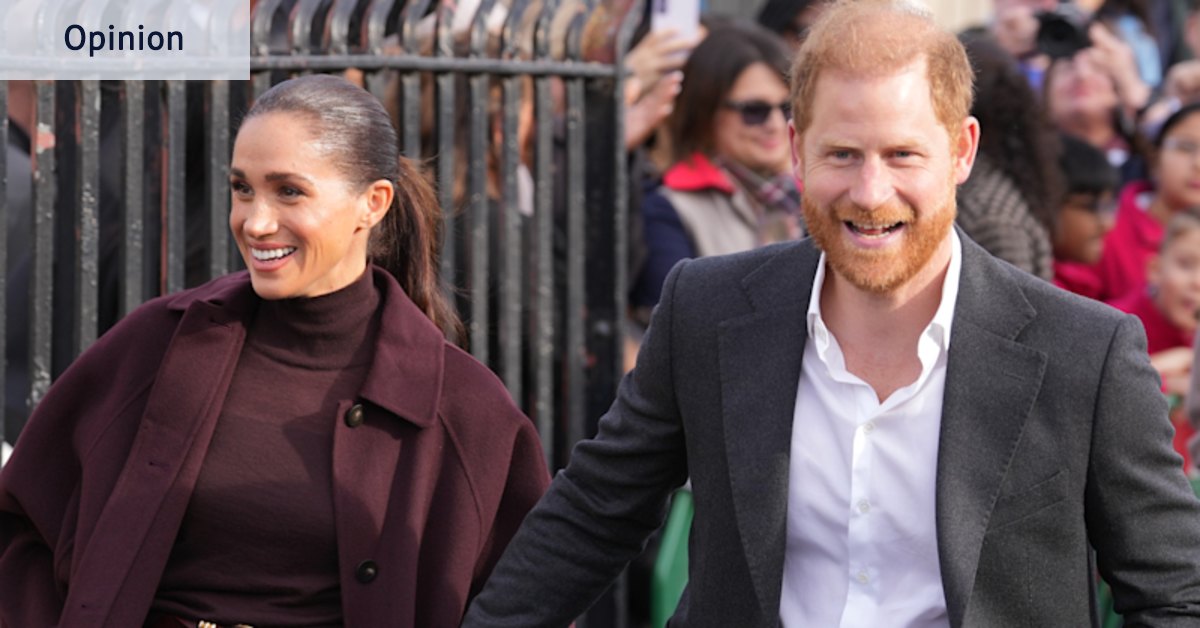
OpinionPsychologistOctober 23, 2026 — 11:00amOctober 23, 2026 — 11:00amFamily relationships and estrangement are two of the most common topics I hear about in my therapy rooms. No one else knows how to push our buttons like family, and the hurts that fester from childhood often play out in adulthood. Estrangement occurs in average, suburban families and in famous, wealthy families. The difficulties in the British royal family show no one is exempt from these types of troubles. Prince Harry said this week he wants to reconcile with his father and brother, after an estrangement that included his and his wife Meghan’s decision to step back from public duties and leave England for America, and Harry’s publication of a tell-all book about a family that has been historically very private. His revelations were seen by many as a betrayal. Now, after six years he has moved back to England and told GQ that “with everything else that’s going on in the world, the most important thing is to reconcile – that’s the key point. Scars stick around forever.”Prince Harry and Meghan, Duke and Duchess of Sussex arrive last week for a visit to The Community Recording Studio in Nottingham, after moving back to England in August.AP Photo/Maja SmiejkowskaReconciliations after an estrangement are not easy. The task is impossible if either party does not see a benefit. In many of the families I work with, estrangement occurs after some form of abuse and harm, and reconciliation hinges on changed behaviour by those who have caused the damage, as well as the establishment of trust. In others, as with the royal family, the estrangement happens because of complex dynamics. In Harry’s case that includes a sibling rivalry built around power and succession from early life, different moral stances and values, and anger about perceived alliances. The estrangement for the Windsors has even deeper contributing factors, involving class, race, and the collision of two vastly different modes of seeing the world. On one hand, the British stiff upper lip, on the other a more open, newer American sensibility, adept in the language of therapy-speak that has been adopted by Harry.Harry has discussed his engagement in therapy at length, crediting it with changing him completely. He said, “I wonder where I would be if I didn’t [do therapy] – it could be a very different situation.” As a psychologist, I am pleased that he has found therapy so beneficial and that it has helped him process the anger and grief he has carried.I do wonder, however, about the therapy-speak in Harry’s language: the casual use of terms like trauma, processing, and “putting in the work”. Sometimes casualised therapy-speak provides only a surface-level understanding and enables people to project their difficulties outward and notice flaws in others, without ever turning the mirror on themselves, their own behaviours, and the ways they have contributed to conflict.Estrangements that involve others, such as adult spouses, are even more complicated. The way the initial estrangement occurred within the royal family, in the glare of the world’s media – first in Harry and Meghan announcing their intention to step back from royal duties, and later in a TV interview with Oprah Winfrey – is likely to affect the possibility of reconciliation. Ironically, the same paparazzi and media Harry has railed against were also deployed by him as a public relations weapon as he stepped back from his royal obligations. While I don’t consider that family matters should always stay private, as this is a good pathway to the perpetration of abuse and harm and the silencing of victims, the natural consequence of airing difficulties in the global media is a fracturing of trust. The royal family’s famous motto of “never complain, never explain” lies a long way away from the way Harry and Meghan have transacted their difficulties within the family, and the norms around privacy and exposure between the two families are now very different.Family reconciliations become more complicated when partners are involved.GettyI do not claim to know how King Charles and Prince William might feel about the stories relayed about them by Harry to the media, but I imagine it would be difficult to return to fully trusting someone who had shared private information so openly. For the more average family, the situation might be learning to come back together after one member or several have aired events on social media or in WhatsApp groups.A true reconciliation in this context requires shared desire, open acknowledgement of the wrongs each person may have done, and clear conversations about the changes that need to be made, which might include expectations around privacy in future. Of course, the family may just decide to sweep the events under the rug and move on together without acknowledging what has occurred, and this happens all the time. My observation, though, has been that without some deconstruction of and conversation about the events, the same difficulties will show up again in other forms.While reconciliation is only possible if all parties want it, Harry may have as much work to do as other members of his family to effect the change he wants. His return to England will go a certain way toward this, but understanding the way he has impacted on his family (and vice versa), clear expectation-setting, and reparations for trust betrayed will be important.Dr Ahona Guha is a clinical and forensic psychologist, trauma expert and author. Her latest book How We Relate is published by Scribe.The Opinion newsletter is a weekly wrap of views that will challenge, champion and inform your own. Sign up here.From our partners
Harry is begging to mend things with the royals. As a psychologist, I can see he has a lot of work to do
Full Article
Original Source
Read the full article at Smh →KhanList aggregates and links to publicly available news content. We do not host full articles from third-party sources. Always verify important information with original sources.