
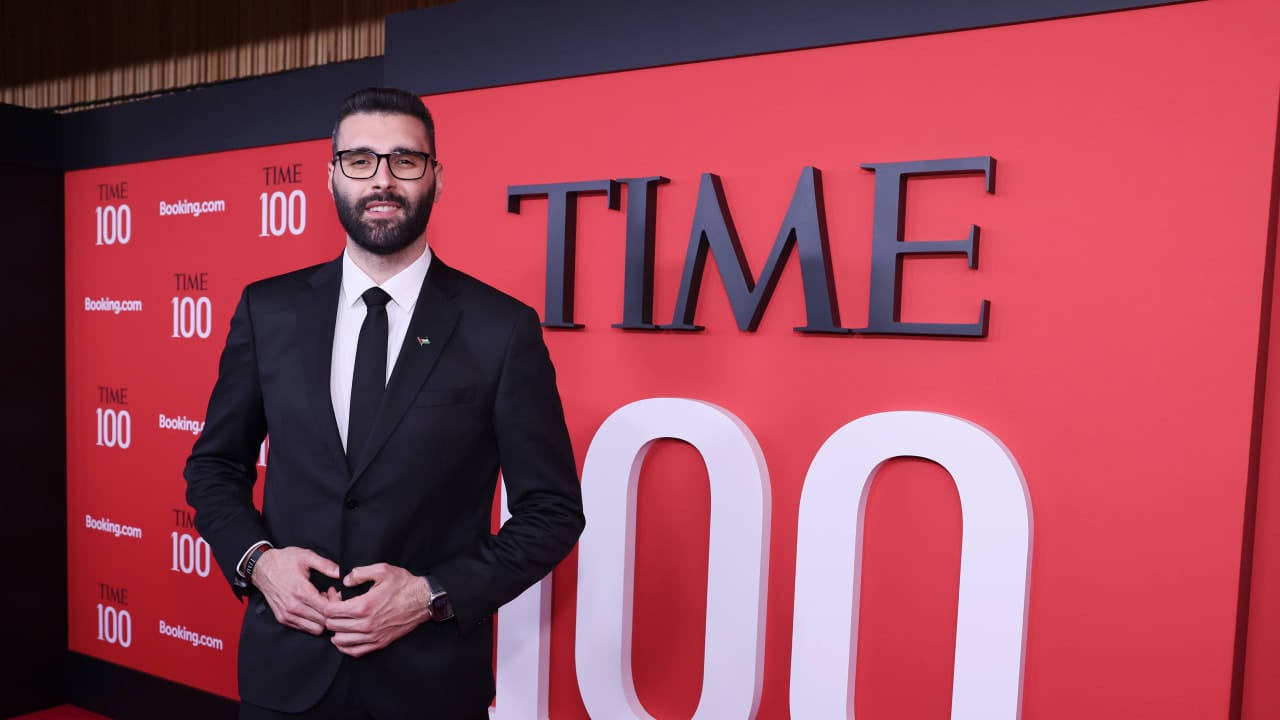
SEPTEMBER 20, 2026 05:46Israeli hostages were beaten in front of a camera on October 7, 2023, and the photographer withheld the footage to protect the Palestinians in it. That was the account Gazan photojournalist Motaz Azaiza gave in a podcast interview reported by The Jerusalem Post.“I did not want to ruin the lives of the people who were filmed,” he said, explaining that he feared Israel would identify and kill them.Consider whose interests that decision served. Captives were being assaulted. Their families needed information. Evidence existed. Azaiza’s stated concern was what publication might do to the people captured on camera.That explanation betrays the victims and journalism. The editors, broadcasters, and institutions that elevated him owe their audiences an answer: Is this compatible with the standards they claim to uphold?News organizations routinely protect identities and assess the risks of publication. Azaiza could have blurred faces, described what he witnessed, or arranged an independent examination of the footage.Palestinian photojournalist Motaz Azaiza speaks to the crowd at the end of the 14th national march for Palestine on May 18, 2024 in London, England. (credit: Dan Kitwood/Getty Images)His account demands questions about those alternatives. Concern about retaliation cannot excuse withholding the truth of an assault on helpless captives.Azaiza condemns Hamas leadership for bringing disaster to GazaHis own testimony also described Hamas’s machinery of intimidation: coordinated harassment, threats, and photographers lowering their cameras when Palestinians criticized the group. He condemned Hamas’s leaders for bringing disaster upon Gaza.Those disclosures deserve serious coverage. They should also force international editors to examine what was missing from the reporting they published. If journalists were pressured to suppress criticism of Hamas, audiences deserved to know that their view of the war was being restricted.Editors have had years of warning: In August 2014, India’s NDTV filmed preparations for a rocket launch beside its Gaza hotel and the launch itself.It released the report after its team left, explaining Hamas’s hostility to such coverage. The network published the evidence and disclosed the constraint. Its reporting exposed both the danger to nearby civilians and the pressure surrounding coverage of Hamas’s military activity.This past June, the Committee to Protect Journalists disclosed another failure requiring scrutiny. It said eight names had been removed from its casualty database after the individuals were established to have been Hamas or Palestinian Islamic Jihad combatants. CPJ removed twelve other names for other reasons.CPJ announced a review after the groups’ own obituaries identified people previously listed as journalists as combatants.Corrections are necessary. They also require accountability. News organizations that used those figures should tell readers what changed. They should ask how those entries passed verification and what safeguards failed. Quietly revising a database leaves the original claims circulating.The reported termination of 24 Al Jazeera staff contracts in Gaza raises further questions. StandWithUs, which supported Shurat HaDin’s US lawsuit alleging material support for terrorist organizations, said several dismissed employees were named in the complaint.It acknowledged that no determination linked the dismissals to the lawsuit. The Gulf Center for Human Rights reported that the workers were offered freelance arrangements. The allegations require examination; the personnel changes do not establish guilt. Al Jazeera owes a detailed account of its vetting and responses to the evidence presented against its staff.These cases concern different conduct. Each exposes a question that institutions claiming public trust have a duty to answer. Admiration for a photographer, sympathy for suffering civilians and hostility to Israeli policy provide no exemption from scrutiny.Palestinian journalists doing honest work deserve protection, including from Hamas’s coercion. Israel should facilitate independent reporting. Editors should demand evidence for allegations against journalists and apply the same rigor to material those journalists supply.Azaiza should face consequences for established ethical misconductAzaiza should preserve his footage and permit independent verification with safeguards for the victims. Institutions that promoted him should publicly investigate his explanation. Established ethical misconduct should bring consequences for commissions, partnerships and honors.A press willing to investigate every aspect of Israeli conduct must show equal determination when evidence implicates those attacking Israelis.The hostages were entitled to have their suffering documented honestly. The institutions that claim to speak for journalism should explain what they intend to do about a photographer who says he chose to withhold it.Follow us on Google
Hamas's hostages deserve to have their suffering documented honestly - editorial
Full Article
Original Source
Read the full article at Jpost →KhanList aggregates and links to publicly available news content. We do not host full articles from third-party sources. Always verify important information with original sources.