
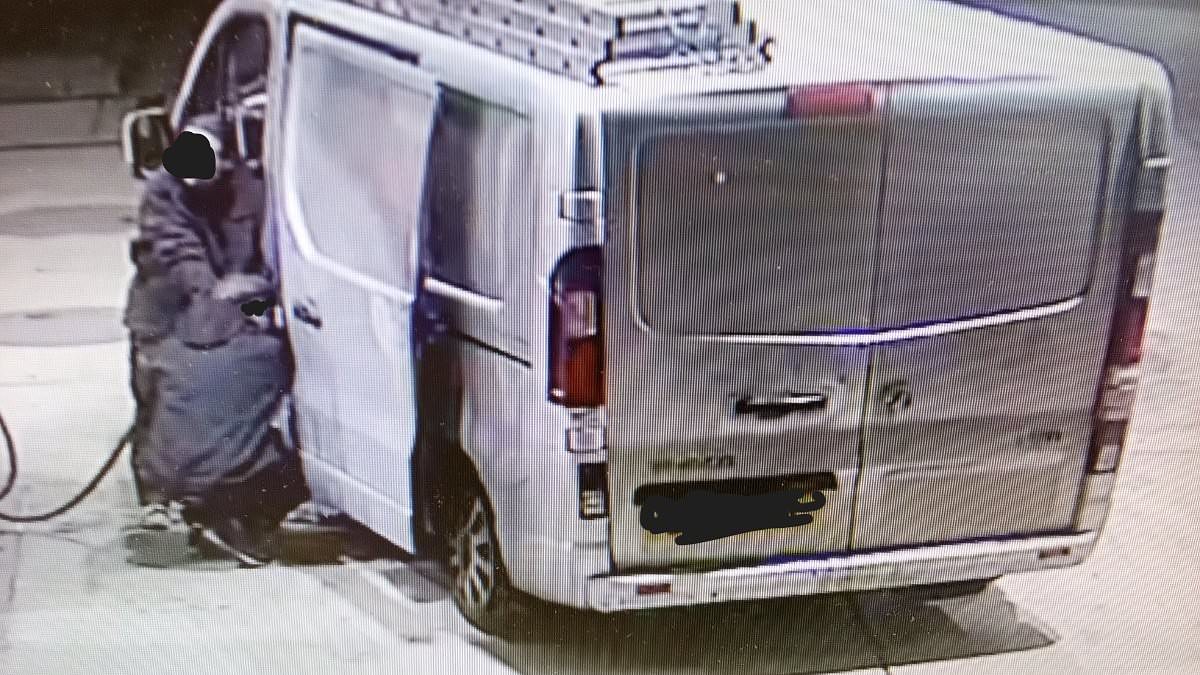
'How much?' That's the reaction many motorists currently have when filling up.Brimming an SUV with a 70-litre tank with unleaded costs £15 more today than it did two years ago, while refuelling a diesel model is almost £40 more expensive, recent analysis shows.With fuel costs continuing to bite, a new survey suggests motorists are taking matters into their own hands to reduce how often they need to visit the pumps.In a poll of more than 1,100 drivers, 51 per cent said they had changed their travel or driving habits to save money.The AA says this year's soaring fuel prices have become the final straw for many, reporting a significant increase in the number considering a switch to electric vehicles.However, rising fuel costs are also being linked to an increase in crime.ForecourtEye says incidents of diesel bilking have risen faster than petrol thefts since the outbreak of conflict between the US and Iran.The rising cost of fuel has triggered a surge in bilking. Even well-heeled owners of supercars - like this McLaren driver pictured in May - are resorting to stealing petrolHow drivers are reacting to higher fuel costsThe poll of motorists by DiscoverCars.com found that two fifths of drivers are avoiding making unnecessary trips by car, while over two thirds are comparing fuel prices at different local petrol stations before choosing where to fill up, which they didn't do before. About a third of people say they've changed their driving style to be more efficient, and a quarter are combining multiple errands into one trip.The study also found that, when budgets are tight, high fuel prices are leaving some people facing the difficult choice between filling up their car or making other important purchases. Join the discussionAre rising fuel prices forcing us to change how we live, or just making life harder for ordinary drivers?What's your view?As well as changing the way that they drive, many motorists had also changed their transport method, with 30 per cent sharing that they are actively using their cars less. Some 18 per cent of the panel said they are walking short distances that they would otherwise have used the car, and almost as many are using public transport more often at 14 per cent.Another 12 per cent say they're riding their bike more. However, with cold, wet autumn and winter weather approaching, it remains to be seen how many will keep up their new cycling habit.Others are making even bigger lifestyle changes by switching to battery-powered cars.The AA's latest EV Readiness Index reveals that 60 out of 100 UK drivers are now considering making the switch, up from 47.5 a little over a year ago.Its president, Edmund King, described it as a 'turning point' for the electric car market.Diesel thefts surge since MarchFuel theft and drivers declaring they cannot pay involving diesel have increased at almost twice the rate of petrol since the outbreak of the conflict in Iran, according to new analysis of incidents at UK forecourts.Diesel-related incidents increased by 21 per cent in the eight months from March to October, compared with the preceding eight months. Petrol-related incidents increased by 12 per cent over the same period.The volume of diesel involved in theft and 'no means of payment' incidents has increased by 27 per cent, more than three times the 8 per cent rise recorded for petrol, revealing that diesel is accounting for an increasingly significant proportion of fuel crime and non-payment incidents.The financial impact is even more pronounced, with the gross value of diesel involved in theft and non-payment incidents increasing by 60 per cent, compared with 27 per cent for petrol, reflecting both higher fuel prices and larger volumes of fuel being taken at each fill up. Diesel-related incidents increased by 21% from March to October, compared with the preceding 8 months. Petrol-related incidents increased by 12% over the same periodLatest data Forecourt Eye has collated shows the average number of daily incidents of fuel crime has increased from 164 to 192 in the eight month period, a rise of 17 per cent, while the volume of fuel involved grew by 21 per cent. Its managing director Michelle Henchoz said: 'What stands out in these latest figures is the difference between diesel and petrol, and the sharp increase in motorists declaring they have no means to pay. 'In previous data we have shared, we have not reported diesel and petrol incidents separately, but October's high diesel price point was an opportunity to take a closer look.'The figures showed that incidents involving diesel hit their highest point in July, while the October price spike has had a minimal impact so far, but the overall trend is still well above the pre-conflict average. 'Our experiences tells us that sudden increases in fuel prices can be a trigger for more incidents, but these latest figures suggest the impact can last long after the initial price shock.' CARS & MOTORING: ON TEST
Half of drivers change habits due to higher fuel prices - as diesel thefts surge twice as much as petrol bilking since March
Full Article
Original Source
Read the full article at Dailymail →KhanList aggregates and links to publicly available news content. We do not host full articles from third-party sources. Always verify important information with original sources.