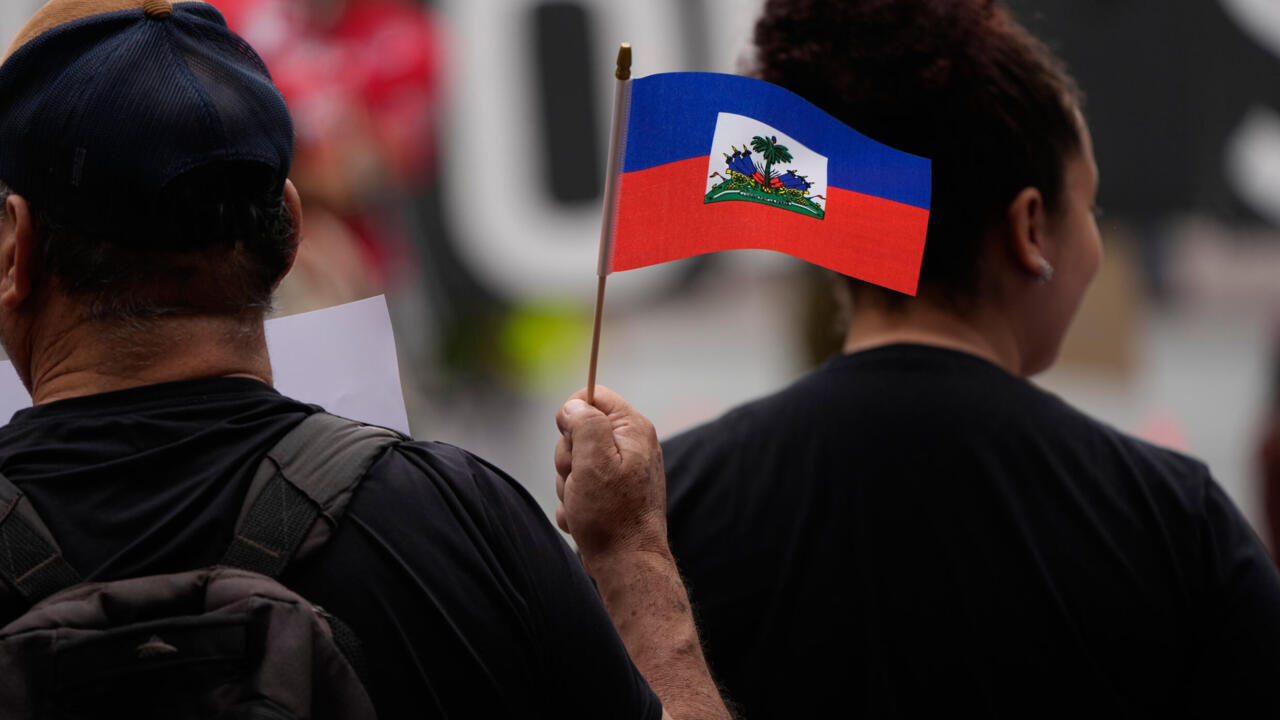
Concern is mounting in Haiti and in the United States ahead of the planned end of Temporary Protected Status for Haitians on 27 July, which could leave nearly 350,000 people at risk of deportation from the US. Issued on: 25/07/2026 - 08:18 3 min Reading time President Donald Trump's government determined last year that Haiti no longer met the necessary conditions for the special protection, which temporarily grants the right to live and work in the US for people who come from countries where conflict, disaster or other conditions make it unsafe to return. After a series of legal challenges that ended in the Supreme Court, that decision will become effective next week. For the estimated 348,000 Haitians with Temporary Protected Status (TPS), its termination will mean losing both their protection from deportation and their authorisation to work. In New York’s Little Haiti neighbourhood, residents describe a climate of fear as the deadline approaches. “At any moment, I could go out to buy something and get arrested,” said one young Haitian man who has lived in the US for three years. He has been on edge since the withdrawal of TPS was announced in June 2025, he told RFI. “Whenever I see a car, whether it’s the police or immigration, it makes me uneasy. You never know.” The Little Haiti neighbourhood in the Brooklyn borough of New York on 15 July 2025. © AFP/Charly Triballeau Many other residents are reluctant to speak on the record. “It’s a real disaster in our community because there are so many people suffering as a result of TPS ending,” one man said. Pascal Antoine, who works for an organisation supporting migrants in Little Haiti, said people who lose their immigration status will be left facing impossible choices. “These people have homes, children,” he said. “There are families wondering what they’re going to do – whether they’ll leave their children here. Many of their children are American citizens. “So it’s much more complicated than simply packing your bags and leaving. It’s not as simple as that. And these people have nothing in Haiti.” Video: Residents return to Haiti's devastated Solino neighbourhood Financial lifeline The consequences will also be felt in Haiti, where many families rely on money sent home by relatives living abroad. In a country struggling with insecurity and widespread hardship, these remittances help pay for food, housing, education and healthcare. “In Haiti, the majority of families depend on the diaspora,” a Port-au-Prince resident named Bedson told RFI. “Many Haitian migrants benefitting from TPS support relatives financially. Deporting them would be serious and truly tragic.” Fellow resident Jean-Baptiste agreed forced returns would be painful, but suggested they might encourage Haitians abroad to put greater pressure on the country’s political leaders to address the crisis. “It’s true that this decision could cause our compatriots a lot of pain,” he said. “But I think this is a good opportunity for them to force the Haitian authorities to take action to improve living conditions in Haiti, particularly the security situation.” As gang violence expands, Haiti's humanitarian crisis worsens Residents flee after gang violence in their area of Port-au-Prince, Haiti, on 20 April 2026. @ AFP - CLARENS SIFFROY Ongoing gang violence has displaced more than a million people in Haiti, where armed gangs control nearly all of Port-au-Prince and continue to expand their reach. The United Nations estimates that some 6.4 million people need humanitarian assistance. As the US deadline approaches, the Haitian government has remained largely silent. No official plan has been announced for dealing with the possible return of hundreds of thousands of emigrants. In Port-au-Prince, Stéphanie said Haiti was not prepared for an influx of deportees. “If this decision comes into effect, what will become of our fellow Haitians in the US?” she asked. “We mustn’t forget that these are people who left Haiti in search of a better life elsewhere. The country isn’t ready yet to have them back.” This article was adapted from the original version in French by RFI correspondents Loubna Anaki in New York and Peterson Luxama in Port-au-Prince.
Haitians at home and abroad fear fallout from end of US protection
Full Article
Original Source
Read the full article at Rfi →KhanList aggregates and links to publicly available news content. We do not host full articles from third-party sources. Always verify important information with original sources.