
Ballpoint pens are “more regulated” than many hair and beauty products, MPs have said as they warned that “dangerous gaps” in cosmetics regulation are leading to unnecessary harm.The new report from the Science and Technology Committee of MPs states that existing regulations are a “confusing mess” and regulation has “failed to keep pace” with the evolving sector.MPs said that government “has been far too slow to act, and people are suffering as a result”.People have reported chemical burns, scarring, infections after using cosmetic products or having cosmetic procedures.(Alamy/PA)Others have reported allergic reactions, migraines, hives, poor outcomes and linked body image distress and mental health issues.Meanwhile, products that are regulated but contain powerful chemicals are “increasingly being promoted and used by children”, with parents unknowingly buying products which could cause them “long-term harm”, they said.They warned that product safety laws have not kept pace with online marketplaces, allowing “illegal and dangerous” products to reach UK consumers “faster and in greater volumes than regulators have the powers or resources to effectively police”.Hair and beauty products have “traditionally been the domain of women” and MPs said that complacency on regulation “has clear roots in sexism and racism”.MPs said that people should be able to trust that products they buy on the high street are safe and regulated.People giving personal accounts to the committee said:– “My hair should not have melted and burnt my head”– “At one point the boils were the size of a £2 coin”– “I now have a permanent allergy to a type of plastic which is found in things like earphones etc which I can never use again”– “The horrendous experience I had from this aesthetics practitioner had ruined my mental health permanently and my physical for two years”.Science and Technology Committee chairwoman Chi Onwurah said consumers should not pay the price for regulation that has failed to keep pace (PA)PA ArchiveCommittee chairwoman Dame Chi Onwurah said: “People buying products and treatments on the high street should be able to trust that these are safe, properly regulated and being provided by someone with the right training.Read More“Years of delay have left dangerous gaps in regulation and exposed people to avoidable harm.“Complacency over this has clear roots in sexism and racism, with no other sector of its size having such a high proportion of female-owned businesses.“Action, not just a consultation, is long overdue, and quick solutions must be found to regulate injectable products like fat dissolvers and skin brighteners, whilst making sure any regulation doesn’t push female-led businesses off the market.”She said: “The cosmetics industry is a science industry, and science must be at the heart of how it’s regulated.“This means filling gaps in research, responding more quickly when evidence of harm emerges and explaining risks clearly to the public.“Consumers shouldn’t pay the price for regulation that has failed to keep pace.”The report sets out steps for the Government to take to help protect consumers.It comes after ministers launched a consultation on a proposed “crackdown on cosmetic cowboys”.This includes classing Brazilian butt lifts (BBL) as cosmetic surgical procedures – meaning they can only be performed by qualified medics.(Alamy/PA)Other high-risk treatments such as deep chemical peels and vampire facials – which use microneedling to inject platelets drawn from a patient’s own blood back into the face – would be restricted to doctors, dentists, some nurses, midwives and pharmacists.And separate to the consultation, the Government said it remained committed to bringing in a licensing scheme to ensure “lower-risk” treatments such as Botox and lip fillers were safe.A Department of Health and Social Care spokesperson said: “This Government is committed to protecting the public from rogue practitioners. We have been working with a group of experts to develop tough new measures to ensure only qualified healthcare professionals can perform high risk cosmetic procedures.“We are now consulting on these measures which would include restricting all cosmetic surgery to doctors who are regulated to strict standards set by the General Medical Council and who work from Care Quality Commission regulated settings.“We are also committed to introducing a licensing scheme for lower-risk cosmetic procedures like facial filler, ensuring that practitioners are appropriately trained, insured, and working to safe standards.”
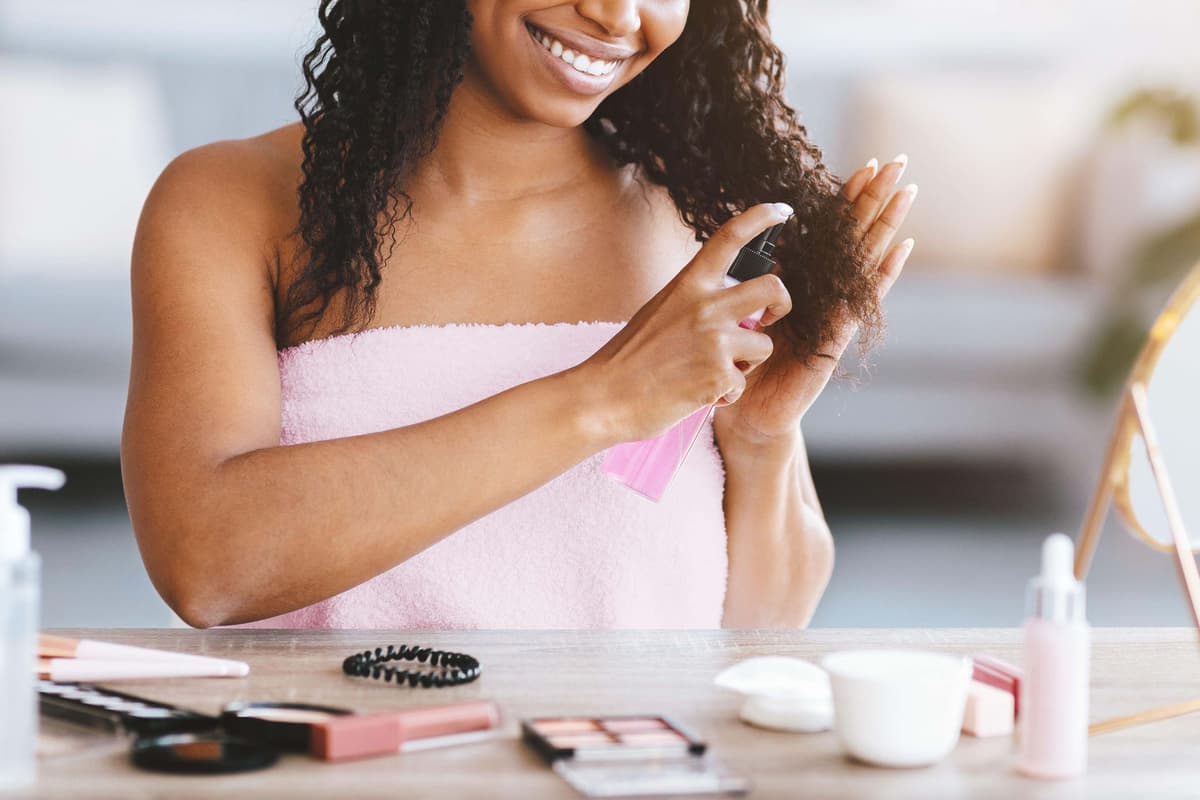
Hair and beauty products less regulated than ballpoint pens – report
Full Article
Original Source
Read the full article at Standard →KhanList aggregates and links to publicly available news content. We do not host full articles from third-party sources. Always verify important information with original sources.