
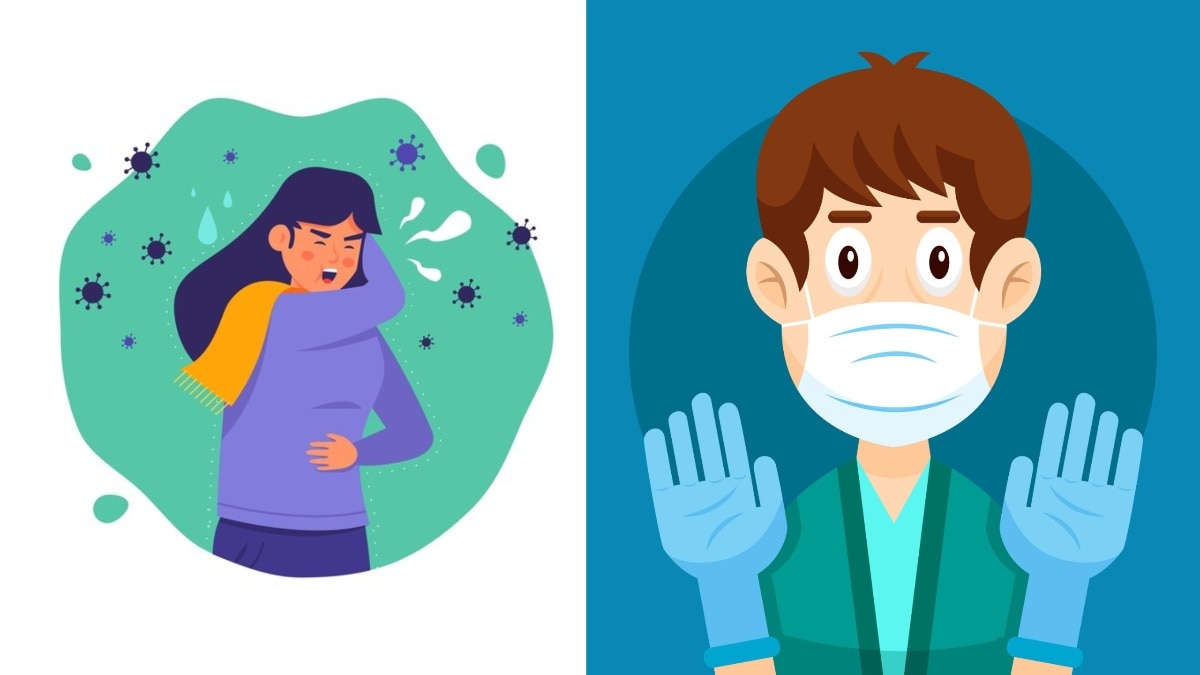
Seasonal flu is a public-health concern too, says Dr Soumya Swaminathan. She explains why influenza cases are rising, whether numbers are being underestimated, who needs a vaccine and why antibiotic misuse is dangerous.H1N1 surge: We forgot Covid lessons, says Dr Soumya SwaminathanThe rise in H1N1 and other influenza cases may be drawing attention now, but Dr Soumya Swaminathan says the bigger concern is whether people have forgotten the lessons of Covid. Masking, hand hygiene, cough etiquette and avoiding spitting in public had helped bring influenza circulation down during the pandemic. As seasonal flu returns, she says those basic precautions still matter. The former WHO chief scientist also says there is no reason for panic, but India must continue surveillance, improve awareness about flu vaccination and avoid the widespread misuse of antibiotics.WHY ARE FLU CASES RISING NOW?Seasonal influenza is not new, and cases rise at particular times of the year. What changed during Covid was human behaviour.Mask-wearing, social distancing, reduced travel and better respiratory hygiene brought the circulation of influenza down dramatically. Dr Swaminathan says influenza was effectively brought to very low levels during the Covid period because people were taking precautions.Now, many of those habits have disappeared. Her message is simple: seasonal flu is also a public-health concern. Influenza causes substantial illness and deaths globally every year and should not be dismissed simply because it is seasonal.ARE THE CURRENT NUMBERS UNDERESTIMATING THE WAVE?Possibly, but Dr Swaminathan says higher reported numbers do not automatically mean the virus has suddenly become more dangerous. More testing can itself lead to more detected cases. India also has surveillance systems that help track influenza activity, with ICMR surveillance playing an important role.The focus, therefore, should not be only on the headline case count but also on whether severe infections, hospitalisations and deaths are increasing.DOES EVERYONE NEED AN RT-PCR TEST?No.Swaminathan says there is no need for everyone with flu-like symptoms to undergo RT-PCR testing. Doctors can decide who needs testing based on symptoms, risk factors and the clinical situation.What matters at the public-health level is maintaining good surveillance so that unusual changes in the virus or disease pattern can be detected early.SHOULD YOU TAKE THE FLU VACCINE NOW?Dr Swaminathan's advice is straightforward: take the flu vaccine.Immunity does not develop immediately and can take around two weeks to build, so people who are eligible should not wait for cases to rise further before discussing vaccination with a doctor.One reason vaccination remains underused in India is a combination of limited awareness and cost. There is also a misconception that vaccines are mainly for children.But adults can and do receive influenza vaccines, particularly those who are at higher risk of complications.THE ANTIBIOTIC PROBLEM IS GETTING WORSEAnother concern is what people do when they develop fever and cough.Dr Swaminathan warns against taking antibiotics without a prescription. Influenza is caused by a virus, so antibiotics will not treat it.Unnecessary antibiotic use can cause harm and contributes to antimicrobial resistance. The problem is bigger because new antibiotics are not being developed quickly enough to keep pace with resistance.That makes preserving existing antibiotics a public-health priority.WHAT ABOUT ANTIVIRALS LIKE OSELTAMIVIR?Antivirals have a role in treating influenza, but Dr Swaminathan stresses that they should be prescribed appropriately rather than taken casually.Doctors need to assess the patient's symptoms, risk factors and severity before deciding whether an antiviral is needed.Easy access to medicines should not become an excuse for self-medication.WE HAVE FORGOTTEN THE COVID LESSONSPerhaps Dr Swaminathan's strongest message is about prevention.During Covid, people became far more conscious of how respiratory viruses spread. That meant masks, hand hygiene, cough etiquette and avoiding crowded spaces when sick became normal.Some of those habits have disappeared.Dr Swaminathan says respiratory hygiene must continue even outside a pandemic. That means covering your mouth and nose when coughing or sneezing, washing or sanitising your hands, wearing a mask when appropriate and, importantly, not spitting in public places.And if you are unwell, stay away from others rather than carrying the infection to work, school or public transport.There is no need to panic over the current influenza rise. But seasonal flu should not be treated as something that does not matter.The lesson from Covid, Dr Swaminathan's comments suggest, was not just how to survive a pandemic. It was how simple habits can stop respiratory viruses from spreading in the first place.- EndsPublished By: vaishnavi parasharPublished On: Aug 25, 2026 07:30 IST
H1N1 surge: We forgot Covid lessons, says Dr Soumya Swaminathan
Full Article
Original Source
Read the full article at Indiatoday →KhanList aggregates and links to publicly available news content. We do not host full articles from third-party sources. Always verify important information with original sources.