
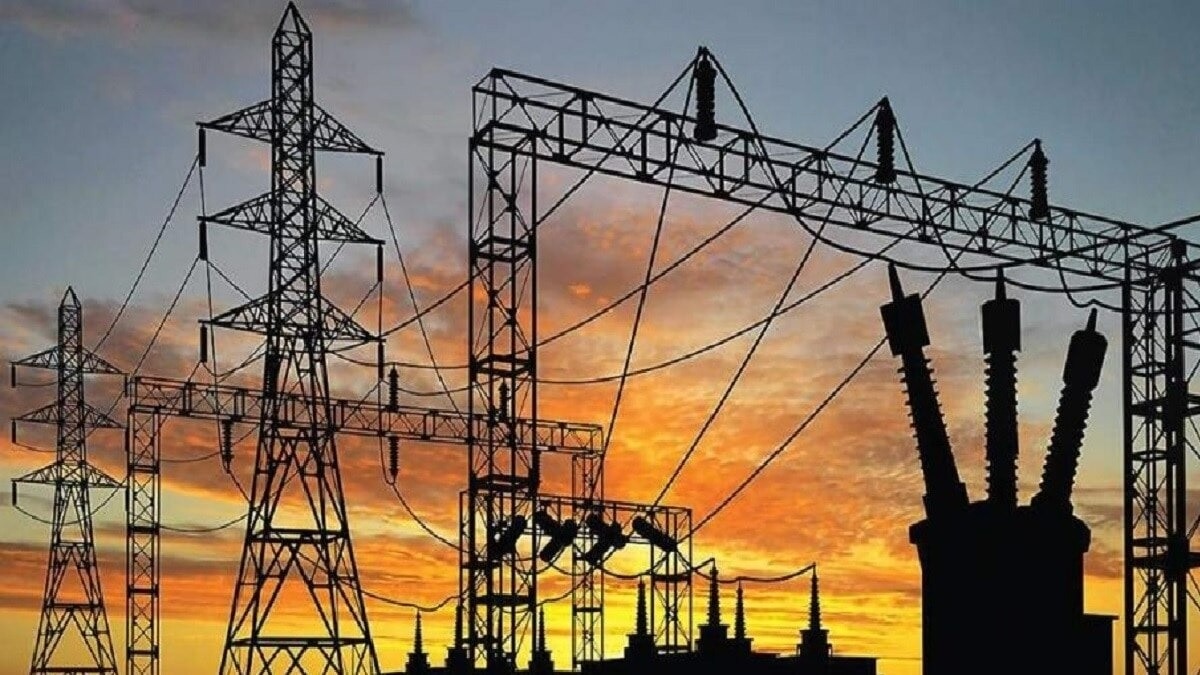
The power cuts hitting Gurugram go beyond faulty lines, with a bitter fight over private electricity distribution pitting workers against the government and leaving residents caught in the middle.The scale of the disruption has raised questions about how effectively essential services were protected during a planned strike. (File Photo: ITG)Gurugram,Oct 23, 2026 10:55 ISTResidents across Gurugram spent Thursday night grappling with prolonged power cuts as a strike by Haryana electricity employees disrupted supply across several districts, affecting homes, water services and industrial operations.Several neighbourhoods in Gurugram experienced outages from around midnight, with complaints coming from Sector 2, Ashok Vihar, Sectors 4 and 5, Dayanand Colony, Bhim Garh Kheri, Palam Vihar, Sector 23, Rajendra Park, Ratan Vihar, Vishnu Garden and Sector 105, among other areas.The Dakshin Haryana Bijli Vitran Nigam (DHBVN) has recieved around 5,500 complaints were registered on its toll-free number between midnight and 7 am. The prolonged outages also disrupted water supplies, leaving residents struggling to manage their morning routines.The disruption was not confined to residential areas. Industrial units in Daulatabad, Kadipur and Sector 37 reported problems, while residents took to the streets to protest against the outages. The crisis also spread beyond Gurugram. Reports from Sonipat described blackouts in areas including Ganaur, Gohana and Kharkhoda, with traders in the Kachcha Quarter market warning they might keep their shops shut if the situation continued. In Rewari, villagers blocked National Highway 352 near Palhawas over power cuts, leading to long queues of vehicles before police and administration officials persuaded them to clear the road. Visuals from Ambala also showed areas plunged into darkness.The strike began at 10 pm on October 21 and was scheduled to continue until October 24. The employees are protesting the Haryana Electricity Regulatory Commission's decision to grant a 25-year parallel electricity distribution licence to private company Eleven Power for Gurugram and Nuh. The outages have left residents facing prolonged power cuts, disrupted water supplies and uncertainty over when normal service will resume. The strike has also exposed gaps in the arrangements for maintaining electricity supply during labour disputes, despite advance notice of the protest. The government now faces two immediate tasks: restoring reliable power and resolving the dispute over the private distribution licence.WHAT TRIGGERED THE BLACKOUT?The Haryana Electricity Regulatory Commission (HERC) granted Eleven Power a parallel distribution licence on October 19, allowing the private company to develop infrastructure and supply electricity in Gurugram and Nuh alongside the state-run DHBVN.The licence was granted under Section 14 of the Electricity Act, 2003, which allows more than one distribution company to operate in the same geographical area, subject to regulatory requirements.Electricity employees have opposed the decision, arguing that parallel distribution amounts to indirect privatisation. They fear the entry of a private operator could undermine the state utility, threaten jobs and weaken the public-sector electricity distribution system.The strike has disrupted the work needed to respond to faults and restore supply. Before it began, residents had been warned that power faults could go unattended, according to Hindustan Times reporting. The resulting outages have exposed how dependent residential colonies, commercial establishments and industrial units are on electricity workers to maintain supply and repair faults.The licence itself did not cause the blackout. The immediate disruption followed the employees' strike against the licensing decision.WHY IS THE PRIVATE LICENCE SO CONTENTIOUS?The dispute goes beyond employment concerns. It also centres on the financial model that supports electricity distribution in Haryana.DHBVN currently supplies electricity across southern Haryana, including Gurugram. The entry of another distributor could give eligible consumers a choice of supplier once the private company develops its network and begins operations.Supporters of competition argue that the prospect of losing customers could encourage electricity distributors to improve service and invest in infrastructure. But DHBVN has warned that it could lose a significant share of its revenue if commercial and industrial consumers shift to the private company.In submissions before HERC, DHBVN argued that Gurugram and Nuh accounted for 35.23% of its electricity sales and 42.98% of its revenue in 2025-26. The utility projected that even a relatively small shift in sales to Eleven Power could result in substantial revenue losses.These figures are DHBVN's projections, not established losses. Eleven Power disputed the utility's assessment and argued that its business plan assumed only a limited shift of existing customers, with much of its projected growth coming from new connections.The disagreement matters because electricity distribution involves substantial infrastructure costs, while revenue from some commercial and industrial consumers helps support subsidised supply to other categories of consumers. If the state utility loses a substantial share of its higher-paying customers, questions could arise about how the remaining costs are distributed.Employee unions have raised similar concerns about the future of the public utility and the interests of workers, farmers and consumers. Their objections reflect their position in the dispute; the actual financial impact will depend on how the private network develops and how consumers respond.HOW DID THE CRISIS AFFECT DAILY LIFE?The outages have disrupted services that residents depend on beyond electricity itself.In residential areas, prolonged power cuts have interrupted water supplies. High-rise apartments rely on electricity for lifts and water pumps, while people working from home depend on power and internet connectivity.Industrial establishments have also reported disruption. Units in Daulatabad, Kadipur and Sector 37 were among the areas affected, raising concerns about halted production, delayed orders and financial losses.The protests in Gurugram, Sonipat and Rewari reflected mounting frustration among residents and traders waiting for supply to be restored. The road blockade near Palhawas also showed how electricity disruptions can spill over into transport and public order.The scale of the disruption has raised questions about how effectively essential services were protected during a planned strike. The administration had announced contingency arrangements ahead of the protest, including instructions to prioritise hospitals, water installations, Metro services and other essential facilities. Assessing whether these arrangements were adequate requires comparing the announced plans with actual restoration records and complaint-response data.WHAT HAPPENS NEXT?The Haryana government has said it will challenge HERC's decision before the Appellate Tribunal for Electricity and seek a stay on the licence. Chief Minister Nayab Singh Saini has also appealed to employees to reconsider the strike, while Energy Minister Anil Vij has said the government would pursue the legal challenge.The strike was scheduled to continue until October 24. The immediate priority is to restore reliable supply, clear pending complaints and limit disruption to households, water services and industrial operations.The longer-term dispute will be decided through the regulatory and legal process. If the licence proceeds, the private company will have to develop its distribution network and establish its operations before the proposed competition can become a reality for consumers.The outages have left residents facing prolonged power cuts, disrupted water supplies and uncertainty over when normal service will resume. The strike has also exposed gaps in the arrangements for maintaining electricity supply during labour disputes, despite advance notice of the protest. The government now faces two immediate tasks: restoring reliable power and resolving the dispute over the private distribution licence.The outcome of the licensing dispute will shape how Haryana approaches competition in electricity distribution, while the response to the strike will determine whether the system can better protect consumers when labour disputes interrupt routine operations.- Ends
Gurugram power cuts: How a privatisation battle plunged power supply into crisis
Full Article
Original Source
Read the full article at Indiatoday →KhanList aggregates and links to publicly available news content. We do not host full articles from third-party sources. Always verify important information with original sources.