
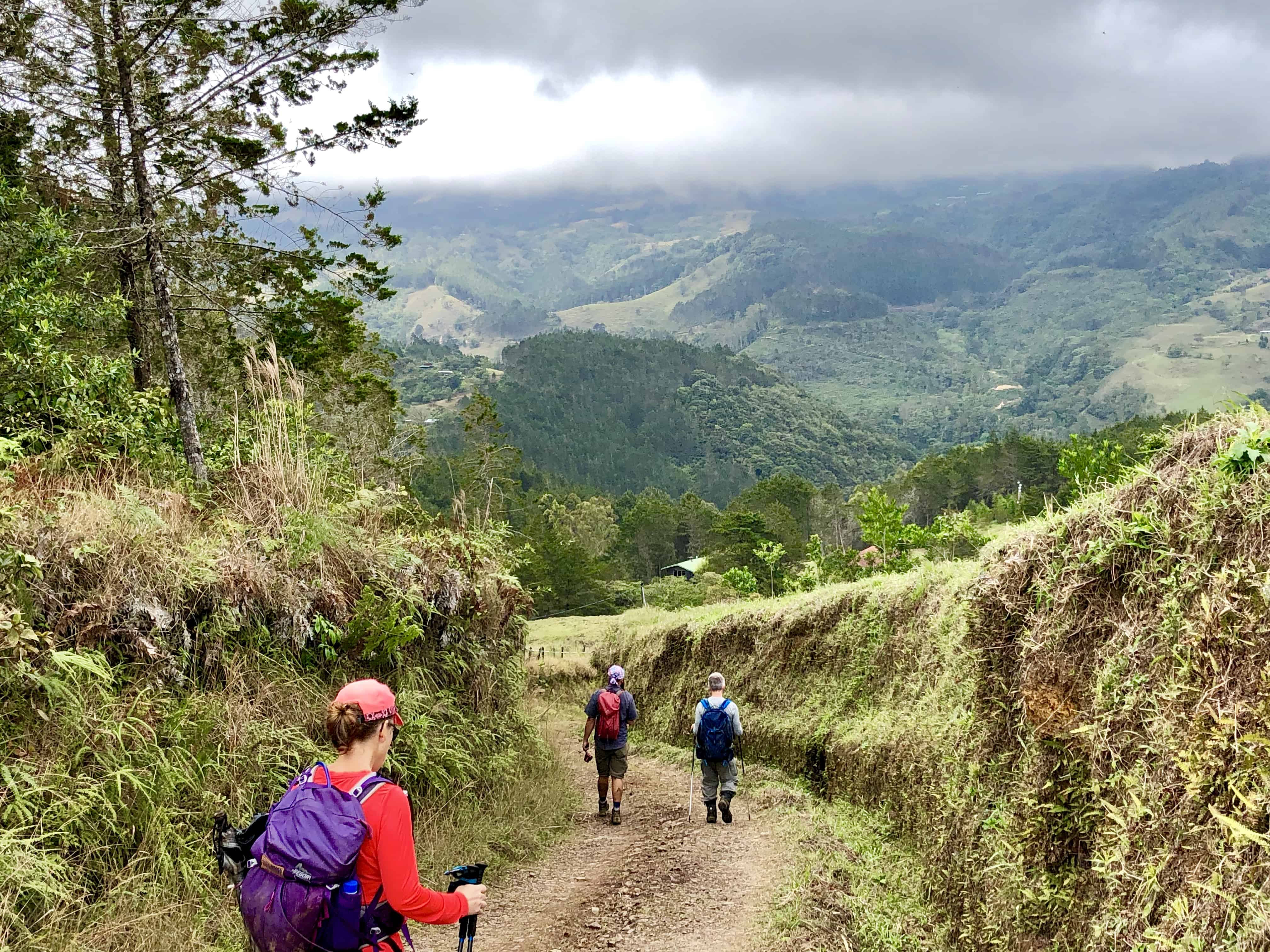
Companies that sell or lead guided hikes in Costa Rica would need a license from the Costa Rican Tourism Institute (ICT) and insurance covering medical care, evacuation and death under a bill filed in the Legislative Assembly. Trails would also be rated by danger level with a color code. The Bill was filed Nov. 9 by legislator Eder Hernández of the National Liberation Party (PLN). It applies to people and businesses that regularly organize, guide, sell or lead tourist hikes, and it would not require any permit for people who hike on their own. If you book a guided hike, the operator would have to tell you the trail’s danger category and the ICT’s safety recommendations before you set out. Operators would also have to call off or change an outing when conditions push the risk above what that trail’s category allows. The ICT would build a national system to rate how dangerous each trail is, weighing terrain, weather, route complexity, how likely and how serious incidents are, access for rescue and medical teams, and past incidents where records exist. The number of categories and the colors themselves would be set later in regulations. Each outing would need a logbook listing participants’ identification, emergency contacts, the route and its color category, start and expected finish times, relevant health information and how the hike ended. The idea is that operators can account for everyone who starts a route and everyone who comes back. Operators would have to carry valid insurance before running any tours. Minimum coverage would include medical care for accidents, transport and evacuation, third-party liability, emergency assistance and death benefits where they apply, with amounts varying by the trail’s danger level and the type of activity. Staff would need minimum training, equipment matched to the danger level and a way to communicate during the route. Clients would have to give informed consent after being told the risks. The ICT would also issue a National Emergency Protocol for Hiking, with separate procedures for injuries, missing hikers and deaths. Operators would have to activate it immediately when needed and coordinate with emergency services. Running tours without a license, without a valid trail classification, without insurance or without logbooks would count as violations, as would failing to activate the emergency protocol. Penalties would be defined by regulation and could range from warnings and fines to suspension or revocation of a license. The bill sets no fine amounts. The proposal builds on Costa Rica’s existing regulation for adventure tourism, which already covers hiking and trekking. The ICT would have six months after the law is published to write the detailed rules. Hernández said the goal is to make hiking safer for Costa Rican and foreign tourists alike, and that he will present the bill to the legislature’s Tourism Committee and seek support from other parties. Shirley Calvo, executive director of the National Chamber of Tourism (Canatur), said accidents during peak seasons are a recurring concern but that the proposal needs detailed review with the industry. The bill has not yet been assigned to a committee. Like any bill, it would need to pass two votes in the full Assembly before becoming law.
Guided Hikes in Costa Rica Would Need ICT Licenses and Insurance Under New Bill
Full Article
Original Source
Read the full article at Ticotimes →KhanList aggregates and links to publicly available news content. We do not host full articles from third-party sources. Always verify important information with original sources.